Are you looking to boost your protein intake while embracing more plant-based foods? You’re in the right place! Protein is a vital macronutrient essential for building and repairing tissues, making enzymes and hormones, and supporting overall health. While meat is a well-known source, the plant kingdom offers an incredible array of delicious and nutritious protein options.
This article will guide you through 12 popular vegetarian protein sources, breaking down their nutritional benefits in an easy-to-understand chart. Whether you’re a seasoned vegetarian, new to plant-based eating, or simply curious about adding more variety to your diet, this guide will help you confidently choose the best protein-packed foods for your meals. Get ready to power up your plate!
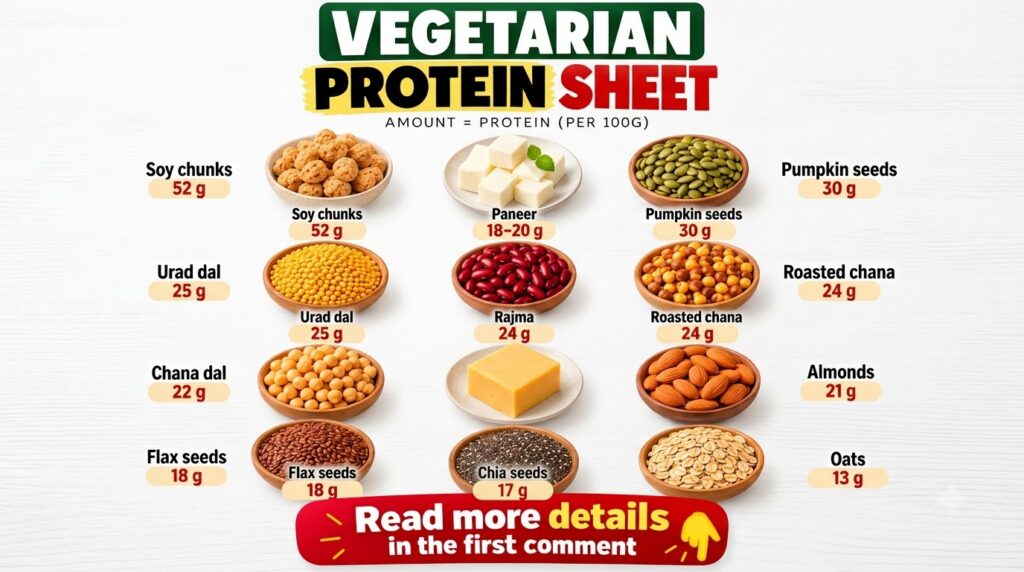
Your Essential Vegetarian Protein Chart
Here’s a detailed look at 12 fantastic vegetarian protein sources, complete with their approximate nutritional values per 100g serving. These values can vary slightly depending on the specific product and preparation method, but they offer a great overview.
| Food | Calories | Protein (g) | Carbs (g) | Fat (g) | Fiber (g) | Main Nutrients | Best Benefit |
|---|---|---|---|---|---|---|---|
| Soy Chunks (TVP) | 340 | 52 | 33 | 1 | 14 | Iron, Magnesium | High Protein, Versatile |
| Paneer | 295 | 18 | 4 | 22 | 0 | Calcium, Selenium | Calcium-rich, Creamy Texture |
| Lentils (Cooked) | 116 | 9 | 20 | 0.4 | 8 | Folate, Iron | Fiber-rich, Heart Health |
| Chickpeas (Cooked) | 164 | 9 | 27 | 2.6 | 7.6 | Manganese, Folate | Gut Health, Satiety |
| Black Beans (Cooked) | 132 | 9 | 24 | 0.5 | 8.7 | Molybdenum, Folate | Digestive Health, Iron |
| Quinoa (Cooked) | 120 | 4.4 | 21 | 1.9 | 2.8 | Complete Protein, Magnesium | Gluten-free, Essential Amino Acids |
| Tofu (Firm) | 76 | 8 | 1.9 | 4.8 | 0.3 | Calcium, Iron | Low Calorie, Adaptable |
| Almonds | 579 | 21 | 22 | 49 | 12 | Vitamin E, Magnesium | Healthy Fats, Antioxidants |
| Chia Seeds | 486 | 17 | 42 | 31 | 34 | Omega-3s, Fiber | Gut Health, Anti-inflammatory |
| Greek Yogurt (Plain) | 59 | 10 | 3.6 | 0.4 | 0 | Calcium, Probiotics | High Protein, Bone Health |
| Oats (Dry) | 389 | 13 | 66 | 6.9 | 10 | Manganese, Fiber | Sustained Energy, Cholesterol |
| Edamame (Shelled, Cooked) | 121 | 11 | 9 | 5 | 5 | Vitamin K, Folate | Complete Protein, Vitamins |
Nutrition Comparison: Highlighting Key Benefits
Protein Powerhouses
As you can see from the chart, plant-based foods offer a wide range of protein content. Soy chunks stand out with an impressive 52g of protein per 100g, making them a top choice for those looking for a concentrated protein source. Paneer, almonds, and chia seeds also provide substantial amounts of protein.
Fiber-Rich Options
One of the significant advantages of plant-based proteins is their high fiber content. Lentils, chickpeas, black beans, chia seeds, and oats are excellent sources of dietary fiber. Fiber is crucial for digestive health, helping to maintain regularity and promoting a feeling of fullness, which can aid in weight management.
Healthy Fats and Essential Nutrients
Foods like almonds and chia seeds are not only protein-rich but also packed with healthy fats, including omega-3 fatty acids, which are beneficial for heart and brain health. Many of these plant proteins also deliver essential vitamins and minerals such as iron, magnesium, folate, and calcium, contributing to overall well-being.
Best Ways to Incorporate Plant-Based Proteins
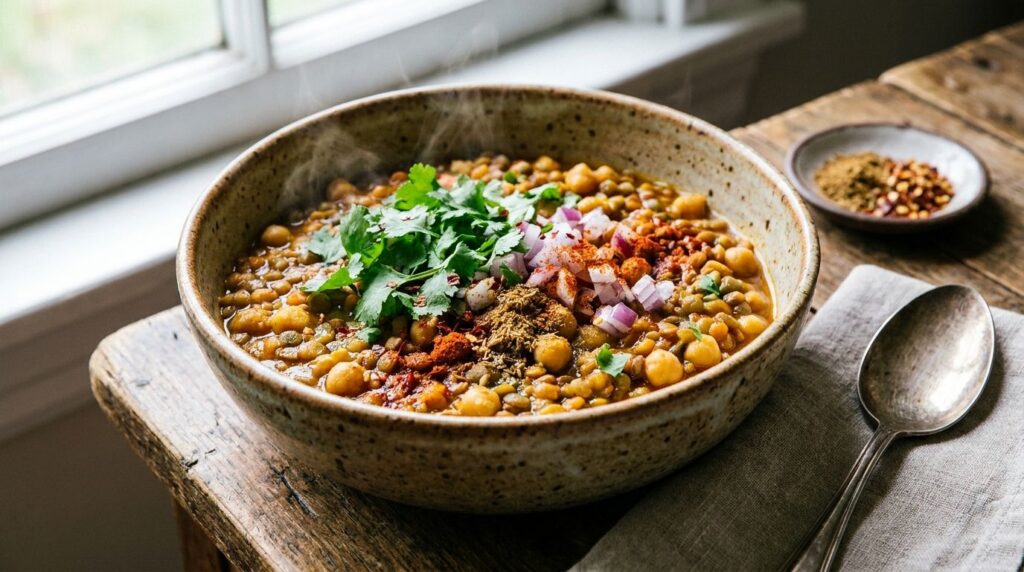
- Soups and Stews: Add lentils, chickpeas, or black beans to hearty soups and stews for extra protein and texture.
- Salads: Top your salads with cooked quinoa, edamame, or toasted almonds for a protein boost.
- Stir-fries: Use tofu or soy chunks as the star of your favorite stir-fry recipes.
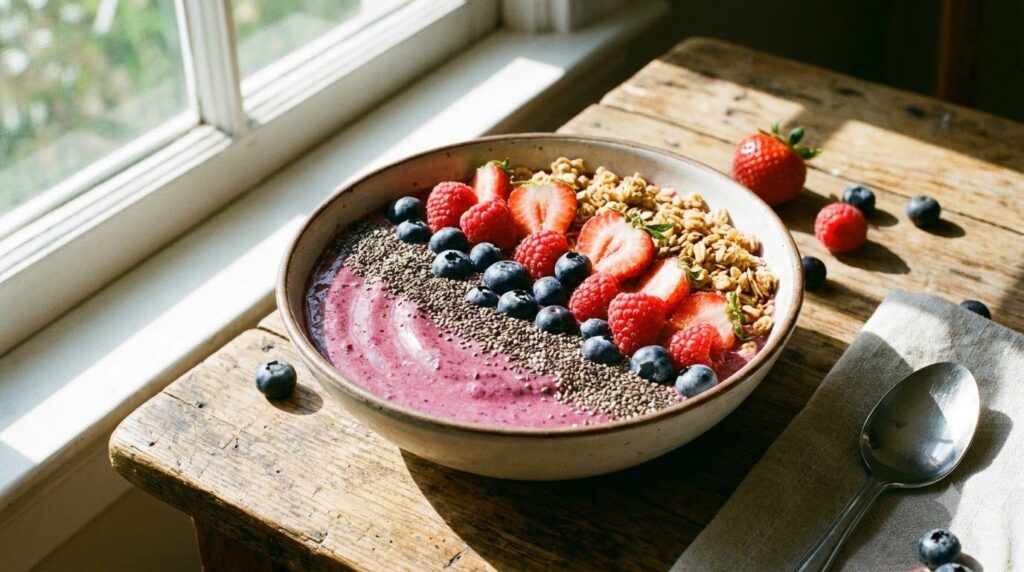
- Breakfast Boost: Mix chia seeds into your oatmeal or smoothie, and enjoy Greek yogurt with berries and nuts.
- Snacks: A handful of almonds or a serving of roasted edamame makes a satisfying, protein-packed snack.
- Curries and Dals: Experiment with various lentils and paneer in traditional Indian and South Asian dishes.
Who Should Eat More Plant-Based Proteins?
Everyone can benefit from incorporating more plant-based proteins into their diet! However, certain groups may find them particularly advantageous:
- Vegetarians and Vegans: These individuals rely solely on plant sources for protein and can use this chart to ensure a varied and complete intake.
- Those Managing Weight: The fiber and protein in plant-based foods promote satiety, helping to reduce overall calorie intake.
- Individuals Focusing on Heart Health: Many plant proteins are low in saturated fat and cholesterol-free, making them excellent choices for cardiovascular well-being.
- People Seeking Digestive Support: The high fiber content is beneficial for maintaining a healthy gut microbiome and regular digestion.
- Anyone Looking for Dietary Variety: Exploring plant proteins opens up a world of new flavors and textures, making healthy eating exciting.
Practical Tips for Boosting Plant Protein
- Meal Prep: Cook a large batch of lentils, chickpeas, or quinoa at the beginning of the week to easily add to meals.
- Smart Swaps: Replace some of the meat in your recipes with plant-based alternatives like beans, lentils, or tofu.
- Combine Sources: To ensure you get all essential amino acids, combine different plant protein sources throughout the day. For example, pair beans with rice, or nuts with whole grains.
- Experiment with Textures: From chewy soy chunks to creamy paneer and crunchy almonds, plant proteins offer diverse textures to keep your meals interesting.
- Read Labels: When buying processed plant-based foods, check nutrition labels for protein content, added sugars, and sodium.
FAQs About Plant-Based Protein
Q: Can I get enough protein from a vegetarian diet?
A: Absolutely! With proper planning and a variety of plant-based foods, vegetarians can easily meet their protein needs. The key is to consume a diverse range of protein sources throughout the day, as many plants offer different amino acid profiles.

