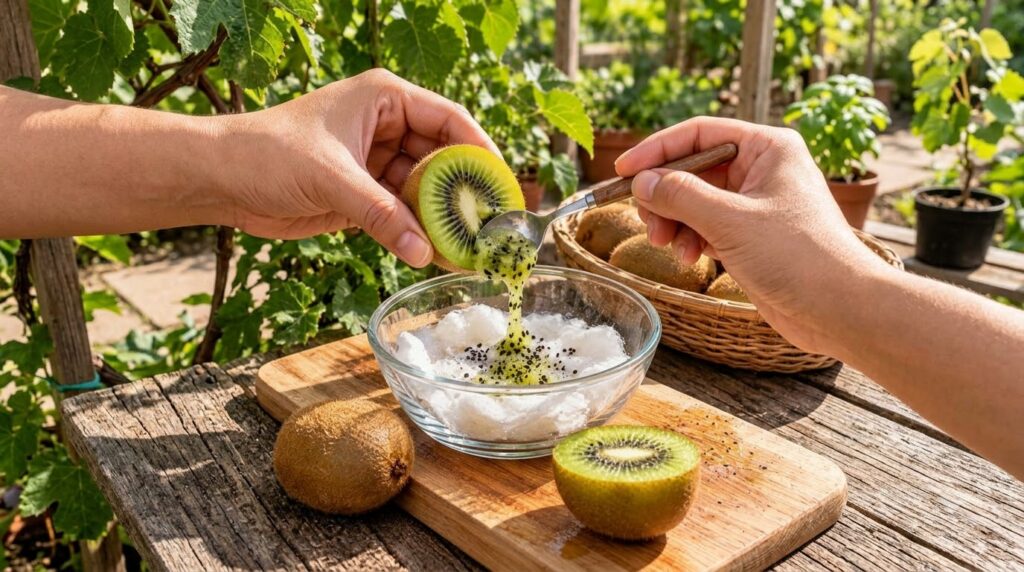
Imagine plucking a ripe, fuzzy kiwi from your very own backyard vine and turning it into a refreshing summer treat. The sweet-tart taste of homegrown kiwi is simply incomparable! While kiwis might seem exotic, growing them at home is more achievable than you think, and the rewards are absolutely worth it. Join us at Garden – L. Quyên as we explore the simple joys and practical steps to cultivating your own sweet, juicy kiwi harvest.
Whether you dream of a vibrant green smoothie or a refreshing kiwi dessert, the journey begins in your garden. Let’s dig in and learn how to grow these incredible fruits.
Choosing the Right Kiwi Variety for Your Garden
Not all kiwis are created equal, especially when it comes to climate. The most common varieties are:
- Fuzzy Kiwis (Actinidia deliciosa): These are the large, familiar kiwis you find in stores. They require a long growing season and mild winters, thriving best in USDA Zones 8-10.
- Hardy Kiwis (Actinidia arguta or A. kolomikta): Smaller, smooth-skinned, and incredibly sweet, hardy kiwis are much more cold-tolerant, growing well in USDA Zones 4-8. They don’t need peeling and can be popped right into your mouth!
Consider your local climate and available space before choosing. Most kiwi varieties are dioecious, meaning you’ll need both a male and a female plant to produce fruit. Some self-pollinating varieties exist, but often yield better with a companion male.
Site Selection and Soil Preparation
Sunlight Requirements
Kiwi vines are sun-lovers! They need at least 6-8 hours of direct sunlight per day to thrive and produce abundant fruit. Choose a sheltered spot that protects them from strong winds, which can damage their delicate new growth.
Ideal Soil Conditions
Well-draining, fertile soil is key. Kiwis prefer a slightly acidic to neutral pH (6.0-7.0). Amend heavy clay soils with compost or other organic matter to improve drainage and aeration. If your soil is sandy, organic matter will help retain moisture and nutrients. Aim for a rich, loamy soil for the best results.
Planting Your Kiwi Vines
Plant your kiwi vines in spring after the danger of the last frost has passed. Dig a hole twice as wide as the root ball and just as deep. Gently loosen the roots before placing the plant in the hole. Backfill with soil, firming it gently around the base, and water thoroughly. If planting multiple vines, space them about 10-15 feet apart to allow for proper air circulation and growth.
Support Systems: Giving Your Vines a Lift
Kiwi vines are vigorous climbers and require sturdy support. A strong trellis, pergola, or fence is essential. Many growers use a T-bar trellis system, similar to grape arbors, to support the heavy fruit-laden branches. Train the main stem to grow vertically up the support, then encourage lateral branches to spread along the horizontal wires.
Watering and Fertilizing for Optimal Growth
Consistent Moisture
Kiwi vines need consistent moisture, especially during dry spells and when the fruit is developing. Aim for about 1 inch of water per week, either from rain or irrigation. Mulch around the base of the plants to help retain soil moisture and suppress weeds, but keep the mulch a few inches away from the trunk to prevent rot.
Feeding Your Kiwis
Feed your kiwi vines annually in early spring with a balanced organic fertilizer. A granular fertilizer formulated for fruit trees or berries works well. You can also supplement with compost tea or a side dressing of well-rotted compost to provide a slow release of nutrients throughout the growing season.
Pruning: The Secret to Abundant Harvests
Pruning is crucial for kiwi vines to maintain their vigor and productivity. There are two main types of pruning:
- Winter Pruning (Dormant): This is the most important pruning, done when the vines are dormant in late winter. Remove dead, damaged, or diseased wood. Prune out about 70% of the previous season’s growth, leaving strong lateral branches that will bear fruit.
- Summer Pruning (Active): Light summer pruning helps manage growth, improve air circulation, and direct energy to fruit production. Remove excessive leafy growth that shades the fruit and cut back long, non-fruiting shoots.
Remember that fuzzy kiwis typically fruit on last year’s wood, while hardy kiwis can fruit on both old and new wood, so adjust your pruning strategy accordingly.
Harvesting Your Sweet Summer Kiwis
Kiwi fruit typically ripens in late summer to fall. For fuzzy kiwis, harvest when the fruit is firm but has begun to soften slightly, and the seeds inside have turned black. They will continue to ripen off the vine at room temperature. For hardy kiwis, harvest when they are soft to the touch and easily pull from the vine.
Store ripe kiwis in the refrigerator for several weeks, or even longer if you have a cool, dark place. You can also freeze peeled and sliced kiwis for year-round enjoyment!
Common Pests and Diseases
Kiwi vines are generally hardy, but they can occasionally face challenges from pests like scale insects or diseases like root rot if drainage is poor. Regularly inspect your plants for any signs of trouble and address them promptly with organic pest control methods or by improving cultural practices.
Conclusion: A Taste of Your Labor
Growing your own kiwis is a deeply satisfying experience, offering not just delicious fruit but also a lush, beautiful addition to your garden. With a little planning, consistent care, and timely pruning, you can look forward to abundant harvests of sweet, refreshing kiwis each summer. Imagine the joy of making your favorite kiwi treat with fruit you grew yourself! Happy gardening!