Are you reaching for the same few ‘healthy’ foods day after day? While consistency can be a good thing, limiting your diet to a narrow range of options might mean you’re missing out on a whole world of nutrients and flavors that can boost your well-being even further. Making smarter food choices isn’t about eliminating what you already eat; it’s about thoughtful comparison and diversification to maximize your nutritional intake.
Many foods we consider ‘healthy’ are indeed good for us, but with a little knowledge, we can often find alternatives that offer a more robust nutritional profile, greater fiber, or a lower sugar content. This guide will help you compare common ‘healthy’ foods with smarter, more nutrient-dense choices to truly diversify your daily meals and enhance your overall health journey.
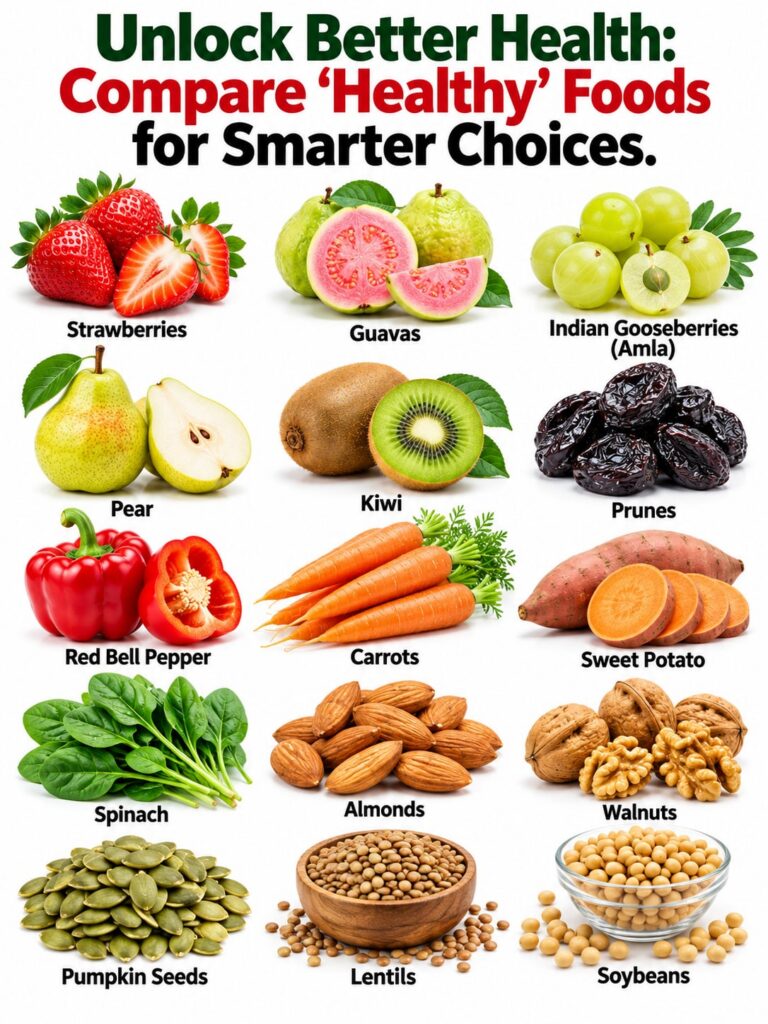
Why Diversifying Your Diet Matters for Better Health
Eating a wide variety of foods is one of the foundational principles of good nutrition. Each food brings its own unique set of vitamins, minerals, antioxidants, and other beneficial compounds. When you stick to a limited selection, you might inadvertently create nutritional gaps, even if the foods you eat are generally considered ‘healthy.’
Diversifying your diet can:
- Boost Nutrient Intake: Ensure you get a broader spectrum of essential vitamins, minerals, and phytonutrients.
- Support Gut Health: A diverse diet feeds a wider range of beneficial gut bacteria, crucial for digestion and immunity.
- Prevent Food Fatigue: Keep your meals interesting and enjoyable, making healthy eating more sustainable in the long run.
- Reduce Exposure to Toxins: Spreading your consumption across various foods can help minimize exposure to any single contaminant.
The ‘Healthy’ Swap Guide: Making Smarter Choices
Let’s dive into some common comparisons where a simple swap can significantly upgrade your meal prep and daily nutrition.
Grains: Beyond White
Many of us grew up on white bread, pasta, and rice, which are often fortified and provide energy. However, the refining process removes much of their fiber, B vitamins, and minerals.
- Common ‘Healthy’ Choice: White rice, white bread, regular pasta.
- Smarter Alternative: Quinoa, brown rice, whole wheat pasta, farro, barley.
- Why it’s Better: Whole grains retain their bran, germ, and endosperm, packing significantly more fiber, protein, and micronutrients like magnesium and iron. This means better digestive health, more sustained energy, and improved satiety. Incorporating these into your meals can be a simple yet powerful change for healthy eating.
Greens: From Crisp to Nutrient-Dense
Salads are a staple of healthy diets, but the type of lettuce you choose can make a big difference in nutritional impact.
- Common ‘Healthy’ Choice: Iceberg lettuce.
- Smarter Alternative: Spinach, kale, arugula, romaine, Swiss chard.
- Why it’s Better: While crisp and hydrating, iceberg lettuce offers minimal nutritional value. Dark, leafy greens are powerhouse vegetables, rich in vitamins A, C, and K, as well as folate, iron, and antioxidants. Swapping your base green is an easy way to boost your daily nutrition tips without much effort.
Dairy: Sweetened vs. Savvy
Yogurt is often touted as a healthy snack, and it can be, but many store-bought flavored varieties are loaded with added sugars.
- Common ‘Healthy’ Choice: Flavored fruit yogurt.
- Smarter Alternative: Plain Greek yogurt with fresh berries and a touch of honey or maple syrup.
- Why it’s Better: Plain Greek yogurt provides significantly more protein and live active cultures (probiotics) without the excessive sugar. By adding your own fruit, you control the sweetness and get the benefit of whole fruit fiber and antioxidants. This is a fantastic high-protein breakfast or snack option that supports gut health.
Snacks: Skip the Bars, Grab the Real Deal
Granola bars and many other packaged ‘health bars’ are convenient, but often contain high amounts of sugar, unhealthy fats, and processed ingredients, despite their healthy image.
- Common ‘Healthy’ Choice: Processed granola bars, fruit snacks.
- Smarter Alternative: A handful of mixed nuts and seeds, a piece of whole fruit, hard-boiled eggs, or homemade energy bites.
- Why it’s Better: Whole, unprocessed snacks provide natural fiber, healthy fats, and sustained energy without the hidden sugars and artificial additives. Nuts and seeds are excellent sources of omega-3s, protein, and minerals. This type of smart snacking is key for effective weight management and overall vitality.
Drinks: Whole Fruit Over Juice
Fruit juice is often seen as a healthy way to get vitamins, but it lacks the fiber of whole fruit and can contribute to sugar spikes.
- Common ‘Healthy’ Choice: Store-bought fruit juice.
- Smarter Alternative: Whole fruit (apple, orange, berries), water infused with fruit, or a blended smoothie.
- Why it’s Better: Whole fruit provides essential fiber, which slows sugar absorption and aids digestion. When you drink juice, you consume the sugar without the fibrous benefits, which can lead to rapid blood sugar increases. Blended smoothies, on the other hand, retain the whole fruit’s fiber and allow for the addition of vegetables or protein powder for an even more nutrient-packed drink.
Tips for Smart Diversification in Your Daily Meals
Incorporating new foods doesn’t have to be overwhelming. Start small and build up gradually:
- One-a-Week Challenge: Introduce one new grain, vegetable, or protein source into your meal rotation each week.
- Color Your Plate: Aim for a variety of colors in every meal, as different colors often indicate different nutrient profiles.
- Read Labels Carefully: Pay attention to added sugars, sodium, and artificial ingredients, even on products marketed as ‘healthy.’
- Explore New Cuisines: Many global cuisines naturally incorporate a wider variety of whole grains, legumes, and vegetables.
- Embrace Meal Prep: Planning your meals in advance makes it easier to include diverse ingredients and resist convenient, less nutritious options. Look for healthy meal prep ideas that feature a mix of these smarter choices.
Final Thoughts
Optimizing your diet is a continuous journey of learning and discovery. By making conscious comparisons and opting for more nutrient-dense alternatives, you can significantly enhance your healthy eating habits and unlock better health. Diversifying your plate is not just about avoiding ‘bad’ foods; it’s about embracing the incredible spectrum of nourishing options available to us.
Small changes can lead to significant improvements in your energy levels, digestion, and overall well-being. Start exploring these smarter choices today and feel the difference!
Medical Disclaimer
This article is intended for informational purposes only and does not constitute medical advice. Always consult with a qualified healthcare professional or registered dietitian before making significant changes to your diet or if you have any health concerns.