Decode Your Garden’s Mystery: Pest Damage Guide
There’s nothing quite as disheartening as stepping into your beloved garden, only to find your vibrant plants looking a little less than their best. Holes in leaves, discolored patches, or stunted growth can leave any gardener scratching their head, wondering, “What happened?” The good news is, your plants are often trying to tell you something! By learning to read the signs of damage, you can become a garden detective, identify the culprits, and take effective action to protect your green friends.
This guide will help you understand the common types of pest damage and the usual suspects behind them. Knowing what to look for is the first step in maintaining a healthy, thriving garden.
Common Pest Damage Signs and Their Culprits
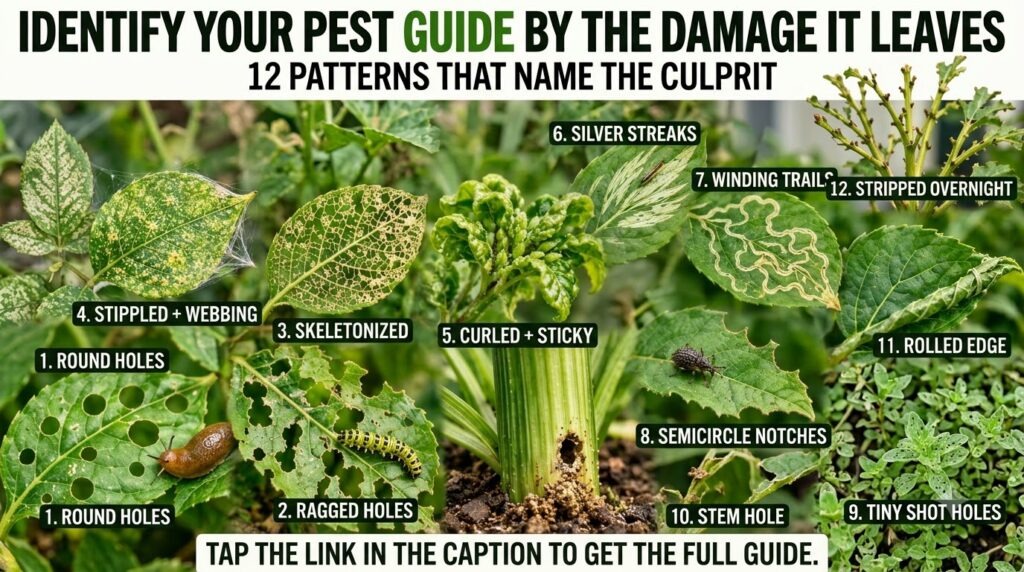
1. Holes and Chewed Edges: The Leaf Eaters
When you see irregular holes in leaves, ragged edges, or entire sections of foliage missing, you’re likely dealing with a chewing pest. These pests literally munch their way through your plants.
- Culprits: Caterpillars (various types), slugs, snails, grasshoppers, earwigs, beetles (like Japanese beetles or flea beetles).
- Clues: Look for slimy trails (slugs/snails), droppings (caterpillars), or even the pests themselves hiding on the undersides of leaves or feeding during cooler parts of the day.
2. Stippling, Discoloration, and Distorted Leaves: Sap-Sucking Pests
These tiny pests pierce plant tissues and suck out the vital sap, leaving behind a range of symptoms from tiny dots to overall yellowing and twisted growth.
- Culprits: Aphids, spider mites, whiteflies, thrips, leafhoppers, mealybugs, scale insects.
- Clues: Stippling (tiny white or yellow dots), yellowing leaves, stunted growth, curled or distorted leaves. You might also see webbing (spider mites) or clusters of tiny insects on new growth.
3. Sticky Residue and Sooty Mold: The Honeydew Producers
If your plant leaves feel sticky or have a black, powdery coating, it’s a classic sign of sap-sucking pests. The sticky substance is honeydew, a sugary excretion, and the black coating is sooty mold, which grows on the honeydew.
- Culprits: Aphids, whiteflies, mealybugs, scale insects.
- Clues: Honeydew dripping onto lower leaves or the ground, ants (they feed on honeydew), and black sooty mold that can cover leaves and stems, impeding photosynthesis.
4. Wilting, Stunting, and Root Damage: The Hidden Threats
Sometimes the problem isn’t visible on the leaves at all. If your plants are wilting despite adequate water, or are generally stunted and unhealthy, the issue might be below ground or inside the stems.
- Culprits: Grubs, nematodes, root maggots (attacking roots); borers (tunneling into stems/trunks).
- Clues: Unexplained wilting, yellowing, or stunted growth. Digging carefully around the roots might reveal pests, or you might see entry/exit holes and sawdust-like frass on stems.
5. Gall Formations and Bumps: Unusual Growths
Galls are abnormal growths or swellings on leaves, stems, or flowers, often caused by insect feeding or egg-laying that stimulates the plant to produce these protective structures.
- Culprits: Gall wasps, certain mites, aphids, midges.
- Clues: Distinctive bumps, spheres, or irregular growths that look different from the plant’s normal tissue. While often unsightly, most galls don’t severely harm the plant.
6. Silken Webs: The Tiny Spinners
Fine webbing on the undersides of leaves or between stems is a clear indicator of one specific pest that can quickly multiply.
- Culprits: Spider mites.
- Clues: Look for very fine, delicate webbing, especially in dry, warm conditions. The leaves might also show stippling or bronzing.
Proactive Steps for a Healthy Garden
Identifying pests is just the beginning! Here are some general tips to keep your garden healthy and minimize pest problems:
- Regular Inspection: Spend time in your garden daily, checking the tops and undersides of leaves for any signs of trouble. Early detection is key!
- Healthy Soil: Good soil rich in organic matter leads to strong, resilient plants less susceptible to pest attacks.
- Proper Watering and Feeding: Avoid over- or under-watering, and use balanced fertilizers to prevent stressing your plants.
- Companion Planting: Some plants naturally deter pests or attract beneficial insects that prey on pests.
- Manual Removal: For larger pests like caterpillars, slugs, and snails, simply picking them off by hand can be very effective.
- Organic Solutions: Consider insecticidal soaps, neem oil, or introducing beneficial insects for more persistent problems.
- Crop Rotation: For vegetable gardens, rotating crops can disrupt pest life cycles.
Your Garden Detective Journey Begins!
Becoming a garden detective takes a keen eye and a bit of patience, but the rewards are well worth it. By understanding the language of your plants and the clues left by pests, you can maintain a more beautiful, productive, and resilient garden. Don’t let mystery damage discourage you; let it empower you to learn and grow alongside your plants. Happy gardening!