Unlock Your Garden’s Potential with Nature’s Best Nutrients!
Every gardener dreams of lush, vibrant plants, overflowing with healthy foliage and abundant blooms or harvests. While there are countless products on the market, some of the most effective and eco-friendly plant boosters might already be in your kitchen! Embracing natural, homemade fertilizers is a fantastic way to nourish your garden sustainably, reduce waste, and ensure your plants receive gentle, consistent nutrients without harsh chemicals.
Join us as we explore the wonderful world of natural fertilizers and learn how simple household items can transform your garden into a thriving oasis!
Why Choose Natural Fertilizers?
Opting for natural fertilizers offers a plethora of benefits for both your garden and the environment. Unlike synthetic chemicals that can leach into groundwater or harm beneficial soil microorganisms, organic options improve soil structure, enhance water retention, and foster a healthy soil ecosystem. They provide a slow, steady release of nutrients, preventing nutrient burn and promoting long-term plant vigor. Plus, it’s a budget-friendly and satisfying way to garden!
Benefits of Going Natural:
- Healthier Soil: Improves soil texture and microbial activity.
- Sustainable & Eco-Friendly: Reduces reliance on chemical production and pollution.
- Cost-Effective: Uses materials you already have.
- Gentle on Plants: Slow-release nutrients prevent damage.
- Safe for People & Pets: No harmful residues in your garden.
Top Natural Fertilizers and How to Use Them
Let’s dive into some of our favorite natural boosters that will have your plants thriving in no time!
1. Coffee Grounds: The Acid-Loving Plant’s Best Friend
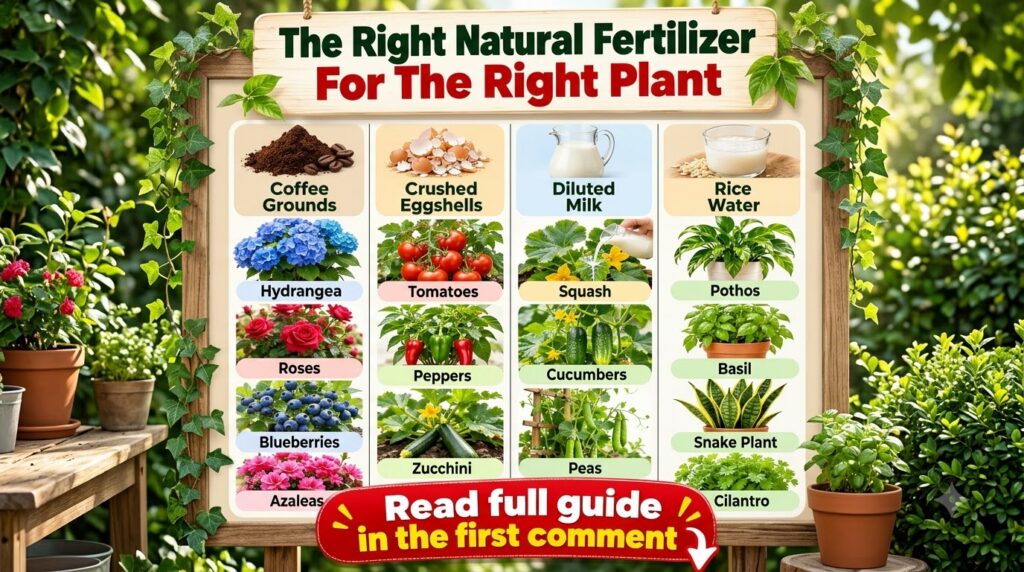
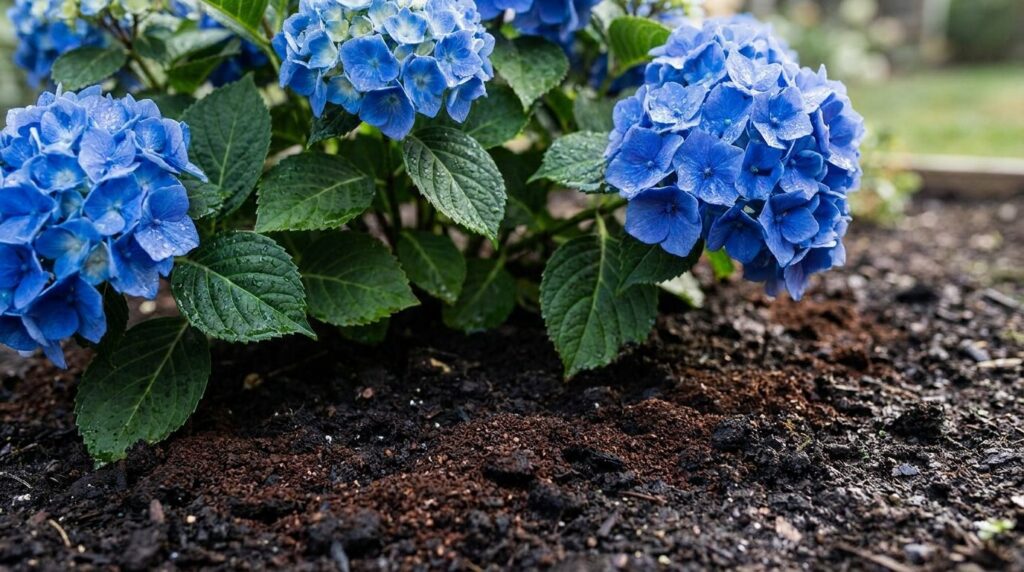
Leftover coffee grounds are a goldmine for acid-loving plants like hydrangeas, azaleas, rhododendrons, and blueberries. They add nitrogen, magnesium, and potassium to the soil, and their acidity can help these plants achieve those stunning blue blooms many gardeners desire for their hydrangeas.
- How to Use: Sprinkle a thin layer of dried coffee grounds around the base of your acid-loving plants once every few months. You can also mix them into the topsoil. Be mindful not to apply too thickly, as it can hinder water penetration. For a liquid feed, mix a cup of used grounds with five gallons of water and let it steep overnight before watering your plants.
2. Crushed Eggshells: A Calcium Boost for Stronger Plants
Eggshells are packed with calcium, an essential nutrient that helps strengthen plant cell walls and prevent common issues like blossom end rot in tomatoes, peppers, and squash. They also deter slugs and snails when sprinkled around plants.
- How to Use: Wash and dry eggshells thoroughly. Crush them into small pieces (a blender can help achieve a finer powder). Sprinkle the crushed shells around the base of susceptible plants or mix them into the soil when planting. The calcium will break down slowly over time.
3. Diluted Milk: For Foliage Health and Fungal Defense
Got some old milk nearing its expiration date? Don’t toss it! Milk provides calcium, sugars, and proteins that can benefit plants like basil, strengthening their leaves and even acting as a mild fungicide against powdery mildew.
- How to Use: Mix milk with water in a 1:1 ratio (e.g., one cup milk to one cup water). Use this solution to water your plants or spray it directly on foliage. For basil, spray on leaves weekly for stronger, healthier growth. Avoid using too much, as it can attract pests or create odors if not properly diluted.
4. Rice Water: A Nutrient-Rich Elixir
The cloudy water left over after rinsing rice is surprisingly rich in starches, amino acids, vitamins, and minerals that can stimulate plant growth. It’s particularly beneficial for promoting root development and overall plant vigor, making it great for plants like snake plants or any houseplant.
- How to Use: Simply collect the water you use to rinse your rice before cooking. Let it cool if it was hot. Use this water to irrigate your indoor and outdoor plants. You can use it regularly as part of your watering routine.
General Tips for Using Natural Fertilizers
- Moderation is Key: While natural, too much of a good thing can still be detrimental. Apply natural fertilizers in moderation and observe your plants’ reactions.
- Compost Power: Don’t forget the power of good compost! It’s the ultimate natural fertilizer, improving soil structure and providing a balanced range of nutrients.
- Know Your Plants: Different plants have different needs. Research what your specific plants prefer before applying any fertilizer.
- Soil Testing: Consider a soil test to understand your soil’s existing nutrient levels and pH, which will help you tailor your natural fertilization approach.
Transforming your garden with homemade natural fertilizers is a rewarding journey that connects you more deeply with nature’s cycles. It’s a simple step towards a healthier, more vibrant garden and a more sustainable lifestyle. Happy gardening!