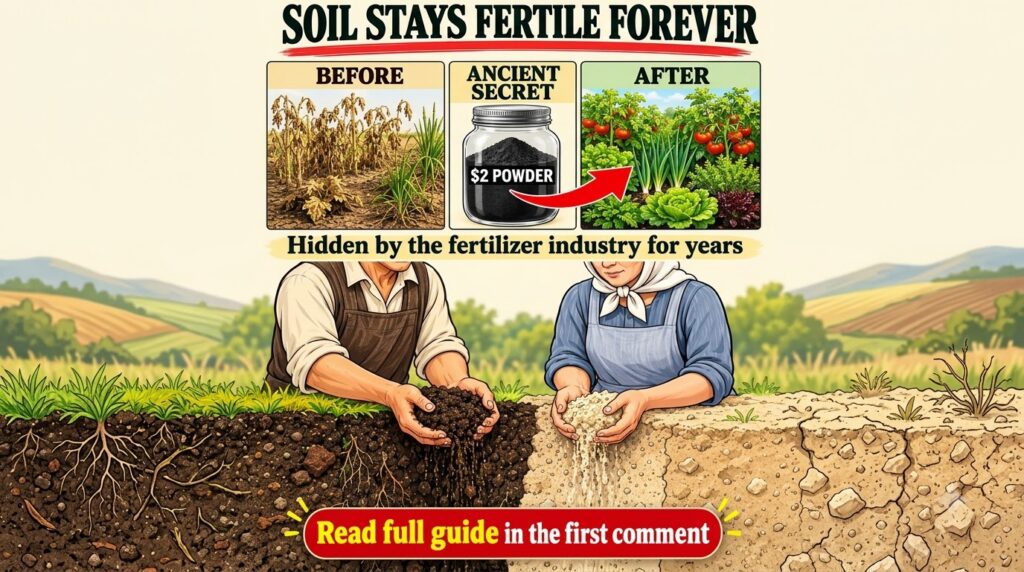
Every gardener dreams of a vibrant, flourishing space filled with healthy plants, bountiful harvests, and colorful blooms. But what’s the true secret behind such success? It’s not a single ‘magic powder’ or an elusive ancient trick, but rather a deep understanding and consistent care of the very ground your plants call home: your soil!
Think of your soil as the pantry for your plants. A rich, well-stocked pantry provides all the nutrients, water, and support they need to grow strong and resilient. Conversely, poor, depleted soil is like an empty pantry, leaving your plants struggling to survive. Let’s delve into what makes soil truly fertile and how you can nurture it for a thriving garden.
What Makes Soil Truly Healthy and Fertile?
Healthy soil isn’t just dirt; it’s a living ecosystem teeming with life. Here are the key characteristics:
- Rich in Organic Matter: This is the backbone of fertile soil. Decomposed plant and animal material improves soil structure, water retention, and nutrient availability.
- Good Structure and Texture: Ideal soil is crumbly, allowing air and water to penetrate easily, while also retaining moisture. It’s neither too sandy (draining too fast) nor too clayey (compacting easily).
- Balanced Nutrients: Plants need a variety of macronutrients (like Nitrogen, Phosphorus, Potassium) and micronutrients (like Iron, Zinc) to thrive. Healthy soil provides these in accessible forms.
- Thriving Microbial Life: Billions of microorganisms – bacteria, fungi, protozoa – break down organic matter, cycle nutrients, and help protect plants from diseases.
- Appropriate pH Level: Soil pH affects nutrient availability. Most plants prefer a slightly acidic to neutral pH (6.0-7.0).
Why Investing in Soil Health Pays Off
Nurturing your soil offers countless benefits for your garden and your gardening experience:
- Stronger, Healthier Plants: Plants with access to ample nutrients and good root development are more resistant to pests and diseases.
- Better Water Management: Healthy soil acts like a sponge, absorbing and retaining water during dry spells and allowing excess water to drain during heavy rains. This means less watering for you!
- Reduced Need for Synthetic Fertilizers: As your soil’s natural fertility improves, you’ll find your plants need fewer external chemical inputs.
- Increased Yields: Whether it’s more abundant vegetables or more prolific blooms, healthy soil directly contributes to a more productive garden.
- Environmental Benefits: Healthy soil sequesters carbon, filters water, and supports biodiversity.
Practical Steps to Cultivate Forever Fertile Soil
You don’t need expensive ‘secrets’ to create amazing soil. These proven, affordable, and organic methods will transform your garden:
1. Embrace Composting
Compost is black gold for your garden. It’s rich in organic matter and beneficial microorganisms. Start a compost pile or bin using kitchen scraps, yard waste, and leaves. Adding compost regularly will dramatically improve your soil’s structure, fertility, and water retention.
2. Incorporate Organic Amendments
Beyond compost, consider other organic materials:
- Well-rotted manure: Adds nutrients and organic matter. Ensure it’s fully decomposed to avoid burning plants.
- Leaf mold: Excellent for improving soil structure and providing slow-release nutrients.
- Cover crops: Planting specific crops (like clover or vetch) during off-seasons protects soil, adds organic matter when tilled under, and can even fix nitrogen.
- Worm castings: A potent, nutrient-rich soil amendment produced by earthworms.
3. Test Your Soil Regularly
A simple soil test can reveal your soil’s pH and nutrient deficiencies. This information is invaluable for making targeted amendments rather than guessing. Local extension offices often offer affordable soil testing services.
4. Minimize Tillage
Excessive tilling can disrupt the delicate soil structure and harm beneficial microorganisms. Consider no-dig or minimal-till gardening approaches to preserve your soil’s ecosystem.
5. Mulch, Mulch, Mulch!
Applying a layer of organic mulch (like wood chips, straw, or shredded leaves) around your plants helps retain moisture, suppress weeds, regulate soil temperature, and slowly adds organic matter as it breaks down.
6. Rotate Your Crops
If you grow vegetables, rotating where you plant different families of crops each season helps prevent nutrient depletion and reduces the build-up of specific pests and diseases in the soil.
The Real ‘Secret’ to a Lush Garden
The true ‘secret’ to ever-fertile soil isn’t a quick fix, but a commitment to sustainable, organic practices. It’s about feeding your soil, not just your plants. By consistently adding organic matter, understanding your soil’s needs, and fostering a healthy microbial community, you’ll unlock its full potential. You’ll witness the transformation from struggling plants to a vibrant, thriving garden, all built on the strong foundation of healthy soil.