Imagine a garden where every plant supports its neighbor, creating a vibrant ecosystem that naturally deters pests, boosts growth, and yields an abundant harvest. This isn’t just a gardener’s dream; it’s the tangible result of mastering companion planting. Many home gardeners face challenges with pests, diseases, or lackluster growth, often without realizing that the solution lies in smarter plant pairings. By understanding which plants thrive together and which prefer their distance, you can unlock your garden’s full potential, transforming it into a more resilient, productive, and beautiful space. Let’s delve into specific plant partnerships that will help you cultivate a healthier, happier garden.
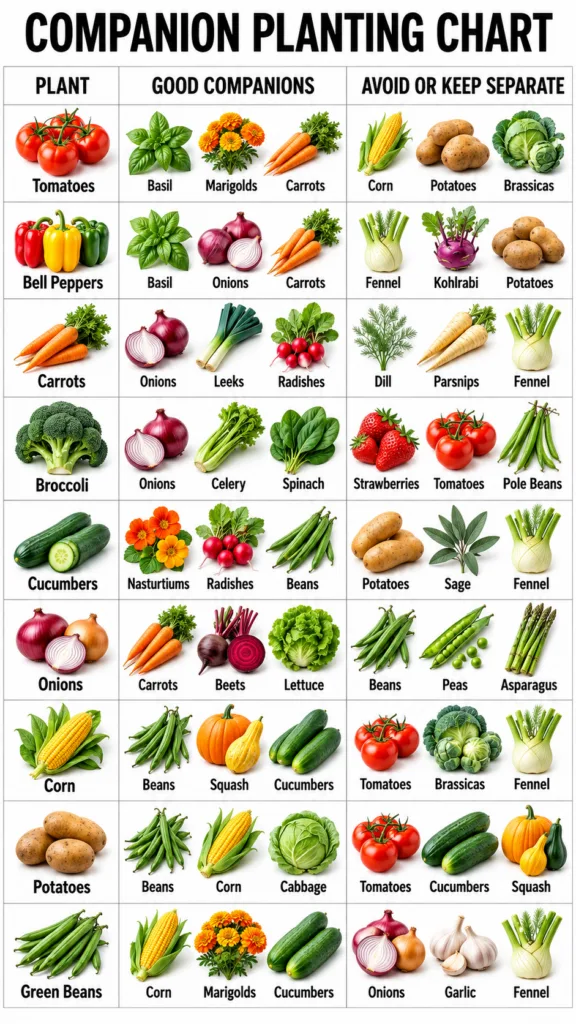 Discover powerful plant pairings for a more resilient and productive garden.
The Core Principle of Companion Planting
Companion planting is an age-old gardening technique that strategically places different plants near each other to create mutually beneficial relationships. These relationships can manifest in several ways: some plants deter pests, others attract beneficial insects like pollinators or predators, some improve soil quality by fixing nitrogen, and others provide physical support or shade. This natural synergy helps reduce the need for chemical interventions, fosters a biodiverse environment, and optimizes growth for a healthier, more abundant harvest. It’s about working with nature, rather than against it, to create a self-sustaining garden ecosystem.
Why Companion Planting Works
- Pest Deterrence: Aromatic plants can mask the scent of vulnerable crops or repel specific pests.
- Beneficial Insect Attraction: Flowering plants bring in pollinators and predatory insects that control pest populations.
- Soil Improvement: Legumes fix nitrogen in the soil, making it available to nearby plants.
- Shade and Support: Taller plants can provide shade for sensitive crops, while sturdy plants offer climbing structures for vining companions.
- Weed Suppression: Groundcover companions can help keep weeds at bay.
Your Guide to Thriving Plant Partnerships: Specific Plant Pairings
Let’s explore key companion planting strategies for some of your garden favorites, helping you make informed decisions for a more productive plot.
Tomatoes (Solanum lycopersicum)
Tomatoes are classic warm-season favorites that benefit greatly from good neighbors. They appreciate companions that deter pests and improve growth. For optimal growth, provide consistent moisture and plenty of sunlight, ideally 6-8 hours daily. Support vining varieties with stakes or cages.
Hardiness: Annual in most USDA zones, perennial in zones 10-11.
Plant type: Annual vegetable
Exposure: Full sun
Height: 3-8 feet
Spread: 2-4 feet
- Good Companions: Carrots (loose soil), Corn (provides shade), Onions (deters pests), Peppers (mutual benefit), Radishes (breaks up soil), Marigolds (nematode control), Nasturtiums (trap crop), Borage (attracts pollinators), Chives (deters aphids), Parsley (beneficial insects).
- Avoid: Beans (can stunt growth), Potatoes (shared blight risk), Fennel (inhibits growth), Kohlrabi (competition), Dill (can stunt growth).
Carrots (Daucus carota subsp. sativus)
These root vegetables thrive in loose, well-draining soil. Their flavor can be enhanced, and pests like the carrot rust fly can be deterred with the right partners. Carrots need consistent moisture and can tolerate partial shade, especially in warmer climates, but full sun is best for robust roots.
Hardiness: Annual in all zones
Plant type: Annual root vegetable
Exposure: Full sun to partial shade
Height: 6-18 inches (foliage)
Spread: 3-6 inches
- Good Companions: Lettuce (provides shade), Onions (deters carrot rust fly), Peas (nitrogen fixation), Radishes (loosen soil), Rosemary (deters carrot rust fly), Marigolds (nematode control), Leeks (deters carrot rust fly).
- Avoid: Fennel (stunts growth), Celery (shared pests). While dill attracts beneficials, some sources suggest mature dill can stunt carrot growth; consider spacing or removing it when carrots are developing.
Cabbage (Brassica oleracea)
Cabbage and other brassicas (like broccoli and kale) can be susceptible to pests like cabbage worms and flea beetles. Strategic planting can help protect them. They require fertile, well-draining soil and consistent watering. Cabbage prefers full sun but can appreciate some afternoon shade in hot climates.
Hardiness: Annual in most zones, biennial in zones 8-10
Plant type: Annual vegetable
Exposure: Full sun to partial shade
Height: 1-2 feet
Spread: 1-2 feet
- Good Companions: Bush Beans (nitrogen, deter flea beetles), Corn (provides shade), Peas (nitrogen), Lettuce (groundcover), Onions (deters cabbage worms), Potatoes (general compatibility), Rosemary (deters cabbage moth), Dill (attracts beneficials), Mint (deters cabbage moth, plant in a pot).
- Avoid: Tomatoes (inhibits growth), Strawberries (competition), Fennel (inhibits growth), Pole Beans (competition).
Sweet Corn (Zea mays)
Corn is a heavy feeder and a tall crop, making it an excellent natural trellis. It thrives in full sun and rich, well-drained soil. Adequate moisture is crucial, especially during tasseling and silking. Planting in blocks rather than single rows aids pollination.
Hardiness: Annual in all zones
Plant type: Annual grain/vegetable
Exposure: Full sun
Height: 5-10 feet
Spread: 1-2 feet
- Good Companions: Bush Beans (nitrogen fixation, classic “Three Sisters” partnership), Peas (nitrogen), Lettuce (groundcover), Potatoes (general compatibility), Radishes (early harvest, breaks up soil), Marigolds (nematode control), Nasturtiums (trap crop), Squash, Pumpkins, Melons, Cucumbers (groundcover, classic “Three Sisters”).
- Avoid: Tomatoes (competition, attracts corn earworm to corn), Celery (competition).
Garden Peas (Pisum sativum)
Peas are legumes that enrich the soil with nitrogen, benefiting many nearby plants. They are cool-season crops that prefer full sun and well-draining soil. Support them with trellises or netting for a better harvest.
Hardiness: Annual in all zones
Plant type: Annual legume
Exposure: Full sun
Height: 2-6 feet (vining)
Spread: 1-2 feet
- Good Companions: Carrots (loose soil), Cabbage (nitrogen), Corn (nitrogen), Lettuce (shade), Radishes (early harvest), Bush Beans (nitrogen), Potatoes (nitrogen), Marigolds (nematode control), Turnips, Spinach, Tomatoes (nitrogen).
- Avoid: Onions (stunts growth), Garlic (stunts growth), Gladiolus (competition).
Lettuce (Lactuca sativa)
Lettuce is a shallow-rooted, cool-season crop that appreciates some shade in warmer weather to prevent bolting. It benefits from plants that help keep the soil cool and moist. Plant in rich, well-draining soil and water consistently for tender leaves.
Hardiness: Annual in all zones
Plant type: Annual leafy vegetable
Exposure: Full sun to partial shade
Height: 6-12 inches
Spread: 6-12 inches
- Good Companions: Carrots (shade, moisture), Cabbage (shade, groundcover), Corn (shade), Peas (nitrogen), Radishes (early harvest), Onions (pest deterrence), Bush Beans (nitrogen), Marigolds (nematode control), Mint (deters pests, contain in pots), Strawberries (groundcover), Cucumbers (shade).
- Avoid: Fennel (stunts growth), Broccoli (competition).
Onions (Allium cepa)
Onions are excellent pest deterrents due to their strong aroma, protecting many vulnerable crops. They need full sun and well-draining, slightly acidic to neutral soil. Ensure proper spacing for good bulb development and air circulation.
Hardiness: Annual in most zones, biennial in zones 6-9
Plant type: Annual/Biennial bulb vegetable
Exposure: Full sun
Height: 1-2 feet
Spread: 3-6 inches
- Good Companions: Carrots (deters carrot rust fly), Cabbage (deters cabbage worms), Lettuce (groundcover), Radishes (deters pests), Tomatoes (deters pests), Chamomile (improves vigor), Marigolds (nematode control), Beets, Peppers (mutual benefit), Strawberries (pest deterrence), Broccoli (pest deterrence), Kohlrabi (pest deterrence).
- Avoid: Peas (stunts growth), Beans (stunts growth), Asparagus (inhibits growth).
Potatoes (Solanum tuberosum)
Potatoes can be susceptible to diseases like blight and pests such as potato beetles. Good companions can help mitigate these issues. They require full sun and loose, well-draining, slightly acidic soil. Hill your potatoes as they grow to protect tubers from sunlight.
Hardiness: Annual in most zones, perennial in zones 8-10
Plant type: Annual tuber vegetable
Exposure: Full sun
Height: 1-3 feet
Spread: 1-2 feet
- Good Companions: Cabbage (general compatibility), Corn (shade, weed suppression), Peas (nitrogen), Bush Beans (nitrogen, deter potato beetles), Marigolds (nematode control, deter potato beetles), Nasturtiums (trap crop for potato beetles), Horseradish (deters potato beetles).
- Avoid: Tomatoes (shared blight risk, shared pests), Asparagus (competition), Sunflowers (inhibits growth), Squash (competition), Peppers (shared blight/pests), Cucumbers (competition), Raspberries (competition).
Beans (Phaseolus vulgaris)
Beans, particularly bush beans, are nitrogen fixers, enriching the soil for themselves and their neighbors. They need full sun and well-draining soil. Bush beans are determinate and require less support, while pole beans are indeterminate and need a trellis or pole to climb.
Hardiness: Annual in all zones
Plant type: Annual legume
Exposure: Full sun
Height: Bush: 1-2 feet; Pole: 6-10 feet
Spread: Bush: 1-2 feet; Pole: 6-12 inches
- Good Companions: Cabbage (bush beans fix nitrogen for brassicas), Corn (pole beans use as trellis, nitrogen for corn), Peas (nitrogen), Lettuce (groundcover), Potatoes (nitrogen), Marigolds (nematode control), Nasturtiums (trap crop), Carrots, Celery, Cucumbers, Radishes, Strawberries.
- Avoid: Onions (stunts growth), Garlic (stunts growth), Gladiolus, Kohlrabi (can inhibit growth), Tomatoes (can stunt beans), Fennel (stunts growth).
Bell Peppers (Capsicum annuum)
Peppers are warm-season vegetables that appreciate similar conditions to tomatoes. They thrive in full sun and consistently moist, well-draining soil. Support taller varieties to prevent breakage, especially when laden with fruit.
Hardiness: Annual in most zones, perennial in zones 9-11
Plant type: Annual vegetable
Exposure: Full sun
Height: 2-3 feet
Spread: 1-2 feet
- Good Companions: Carrots (loose soil), Onions (pest deterrence), Radishes (early harvest), Bush Beans (nitrogen), Marigolds (nematode control), Nasturtiums (trap crop), Spinach, Tomatoes (mutual benefit, some shade), Okra, Asparagus (general vigor), Corn (shade), Kohlrabi (pest deterrence for Kohlrabi), Rosemary (pest deterrence).
- Avoid: Fennel (stunts growth), Apricot trees (competition).
Radishes (Raphanus sativus)
Fast-growing radishes are excellent for breaking up heavy soil, benefiting slower-growing root crops. They prefer full sun to partial shade and quick-draining soil. Plant in succession for a continuous harvest.
Hardiness: Annual in all zones
Plant type: Annual root vegetable
Exposure: Full sun to partial shade
Height: 4-12 inches (foliage)
Spread: 1-3 inches
- Good Companions: Carrots (loosen soil), Cabbage (deters flea beetles), Corn (shade), Peas (early harvest, loose soil), Lettuce (shade), Onions (pest deterrence), Bush Beans (loose soil), Marigolds (nematode control), Nasturtiums (trap crop), Spinach, Mint (deters general pests, contain in pots), Squash (groundcover), Cucumbers (groundcover), Chervil (improves flavor).
- Avoid: Hyssop (stunts growth), Grapes (competition).
Kohlrabi (Brassica oleracea Gongylodes Group)
Kohlrabi, a unique member of the cabbage family, forms an edible swollen stem above ground. It benefits from companions that deter common brassica pests. Kohlrabi prefers full sun and fertile, well-draining soil, thriving in cooler temperatures of spring and fall.
Hardiness: Annual in most zones, biennial in zones 8-10
Plant type: Annual vegetable
Exposure: Full sun
Height: 1-1.5 feet
Spread: 8-12 inches
- Good Companions: Beets, Celery, Cucumbers, Lettuce (groundcover, shade), Marigolds (nematode control), Mint (deters pests, contain), Onions (pest deterrence), Peppers (general compatibility), Radishes (loose soil), Rosemary (deters cabbage moth), Sage (deters cabbage moth), Spinach.
- Avoid: Bush Beans (can inhibit growth), Pole Beans, Strawberries (competition), Tomatoes (inhibits growth), Corn (competition), Peas (stunts growth), Fennel (inhibits growth).
Common Companion Planting Mistakes to Avoid
Even with the best intentions, companion planting can go awry. A common mistake is planting overly vigorous herbs like mint directly in the garden bed; they can quickly outcompete nearby crops. Always plant them in containers to keep their assertive roots contained. Another pitfall is ignoring a plant’s basic needs; companion planting is a boost, not a substitute for proper sunlight, water, and good soil. Finally, avoid placing two plants with similar pest or disease vulnerabilities next to each other, as this can exacerbate problems rather than solve them. Researching plant families and their specific needs is key to successful companion planting.
Adapting to Your Climate and Garden Space
Companion planting principles remain consistent, but their application varies depending on your region and specific garden setup. Gardeners in cooler USDA Zones (3-5) might prioritize companions that offer early season protection or warmth, while those in warmer Zones (9-11) may focus on plants that provide shade or deter heat-loving pests. Container gardeners can still utilize companion planting by pairing smaller plants in large pots, ensuring adequate space and drainage. Always consider your local frost dates, soil temperatures, and microclimates. Your local extension service is an invaluable resource for region-specific advice, helping you fine-tune your companion planting strategy for maximum success.
A Thriving Ecosystem Awaits
Companion planting is more than just a technique; it’s a philosophy that views your garden as an interconnected ecosystem. By thoughtfully arranging your plants, you’re not just growing food; you’re cultivating a resilient, vibrant, and sustainable living space. Embrace the art of plant partnerships, observe how your garden responds, and enjoy the countless benefits of a healthier, happier harvest. Step into your garden with new confidence, knowing that every planting decision contributes to a more productive and harmonious environment.