There’s nothing quite like the satisfaction of harvesting fresh produce from your own garden. The vibrant colors, the earthy smell, and the knowledge that you nurtured these plants from seed to harvest – it’s a truly rewarding experience. But what happens when your garden overflows with bounty? Don’t let your hard work go to waste! With smart storage secrets, you can preserve your harvest all year long, enjoying the taste of summer even in the depths of winter.
Learning to store your produce effectively not only reduces food waste but also allows you to enjoy fresh, organic flavors whenever you desire. It’s a key step in sustainable living and makes all those hours spent tending your garden even more worthwhile. Let’s dive into some clever ways to store popular garden favorites like potatoes, corn, tomatoes, garlic, and dry beans.
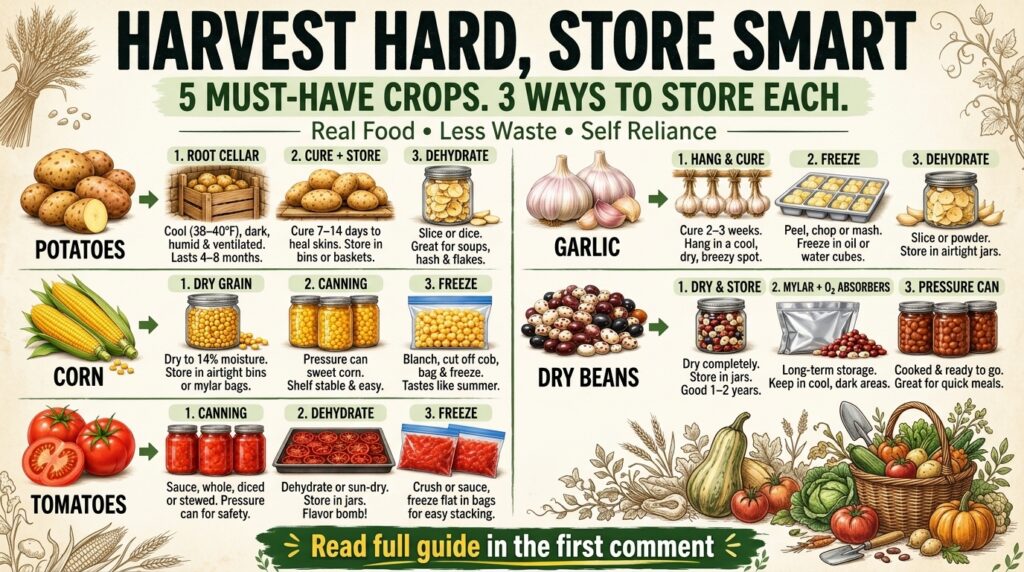
Potatoes: The Root Cellar Favorite
Potatoes are a staple crop that can last for months if stored correctly. The key is to mimic the conditions of a traditional root cellar: cool, dark, and well-ventilated.
- Cool, Dark Place: Store unwashed potatoes in a cool area (ideally 45-50°F or 7-10°C) away from direct sunlight. A basement, garage, or even a dark closet can work.
- Good Ventilation: Don’t store them in airtight containers. Use burlap sacks, paper bags, or slatted crates that allow air circulation. This prevents moisture buildup and spoilage.
- Keep Them Dry: Only wash potatoes right before you plan to use them. Moisture can accelerate rotting.
- Separate from Onions and Apples: These produce ethylene gas, which can cause potatoes to sprout prematurely.
Corn: Freezing for Freshness
Sweet corn is a seasonal delight, but its freshness is fleeting. Freezing is an excellent way to capture its peak flavor and enjoy it much later.
- Blanching is Key: To preserve flavor and texture, blanch corn cobs in boiling water for a few minutes, then immediately plunge them into an ice bath. This stops the enzymatic action that causes spoilage.
- Cut off the Kernels: Once cooled, cut the kernels off the cob.
- Package for Freezing: Pack the kernels into freezer-safe bags or containers, removing as much air as possible before sealing. Label with the date. Frozen corn can last for up to a year.
- Drying: Another method is to dry the kernels in a dehydrator or oven for a longer-term, shelf-stable option.
Tomatoes: Versatile Preservation
Tomatoes are one of the most abundant garden harvests, and thankfully, they are incredibly versatile for preservation.
- Canning: This is a classic method for whole, diced, crushed, or pureed tomatoes. You’ll need canning jars, lids, and a water bath canner. Follow tested recipes for safety.
- Freezing: For a simpler approach, you can freeze whole tomatoes! Wash them, remove the core, and place them on a baking sheet to freeze individually before transferring to freezer bags. The skins will slip off easily once thawed. You can also freeze tomato sauce or puree.
- Sun-Drying/Dehydrating: Sliced tomatoes can be dried in a dehydrator or a low oven until leathery. Store dried tomatoes in airtight containers or olive oil.
Garlic: Curing and Storing
Garlic is relatively easy to store, especially if properly cured after harvest.
- Curing: After harvesting, allow garlic bulbs to cure in a warm, dry, and well-ventilated place for 2-4 weeks. Hang them in braids or spread them out on racks. Curing toughens the skins and extends storage life.
- Cool, Dry, Dark Storage: Once cured, store garlic in a cool (around 60-65°F or 15-18°C), dry, and dark place with good air circulation. A pantry or cupboard is often suitable.
- Mesh Bags or Baskets: Avoid plastic bags that trap moisture. Mesh bags or open baskets work best.
- Do Not Refrigerate: Refrigeration can stimulate sprouting and shorten storage life.
Dry Beans: A Long-Term Solution
Growing and harvesting your own dry beans (like kidney, pinto, or black beans) provides a shelf-stable protein source that can last for years.
- Harvesting: Allow bean pods to dry completely on the plant until they are brittle and rattle when shaken.
- Shelling: Shell the dried beans from their pods.
- Further Drying: Spread the shelled beans on a tray in a single layer in a warm, dry place for another week or two to ensure they are completely dry before storage.
- Airtight Containers: Store fully dried beans in airtight containers (glass jars, food-grade plastic containers, or Mylar bags) in a cool, dark pantry.
- Check for Moisture: Ensure there’s no moisture, as this can lead to mold. Properly stored dry beans can last for several years, providing a reliable food source from your garden.
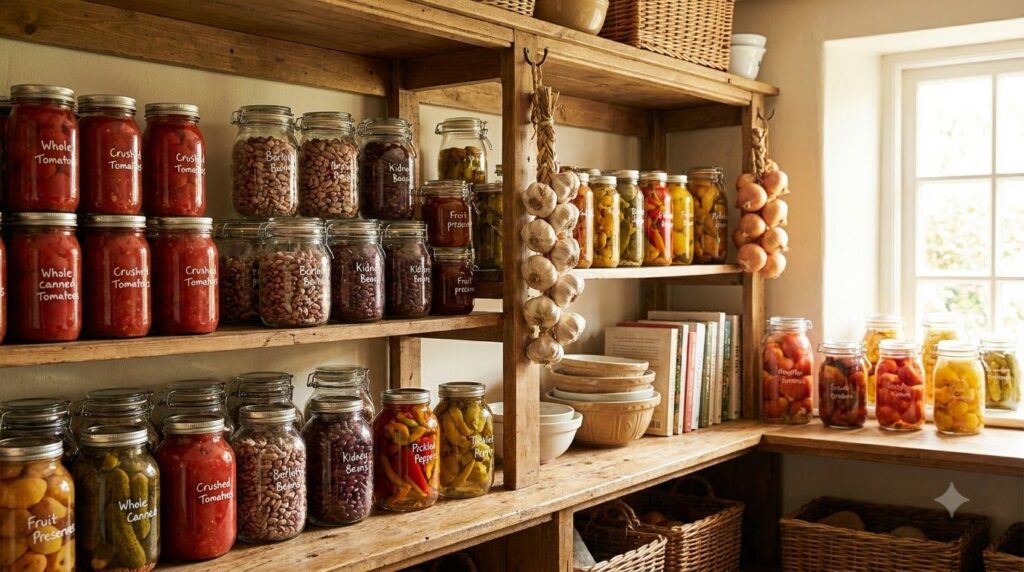
General Tips for Smart Storage
- Harvest at Peak Ripeness: Produce stores best when harvested at its prime.
- Cleanliness is Key: Ensure all containers and equipment are clean and sterilized, especially for canning.
- Label Everything: Include the date of preservation and the contents on all stored items. This helps with inventory and ensures you use older items first.
- Inspect Regularly: Periodically check your stored produce for any signs of spoilage, mold, or pests. Remove any compromised items immediately to prevent them from affecting others.
- Understand Your Produce: Different fruits and vegetables have different storage requirements. A quick search can tell you the ideal conditions for almost any crop.
By implementing these smart storage secrets, you can extend the joy of your garden’s harvest far beyond the growing season. Imagine savoring your own homegrown tomatoes in January or adding your own frozen corn to a winter stew. It’s an empowering step towards self-sufficiency and a delicious way to enjoy the fruits (and vegetables!) of your labor. Happy preserving!