Unlock the Secret to Bountiful Gardens: Easy Plant Grafting Methods for Faster Fruit Harvests
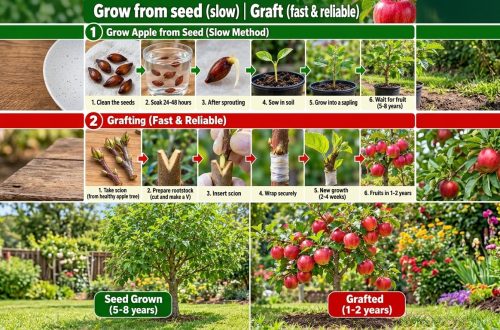
Dreaming of harvesting your own fresh fruit sooner? Plant grafting might be the game-changer your garden needs! For many home gardeners, waiting years for fruit trees to mature and bear fruit can be a test of patience. But what if there was a way to speed up this process, improve plant resilience, and even grow multiple types of fruit on a single tree? Welcome to the fascinating world of plant grafting!
Grafting, an ancient horticultural technique, involves joining two plants together so they grow as one. This seemingly magical process allows you to combine the desirable characteristics of two different plants: the robust root system of one with the fruit-bearing qualities of another. It’s easier than you might think, and the rewards are truly sweet!
What Exactly is Plant Grafting?
At its heart, grafting is the art of fusing a part of one plant (the scion, usually a shoot or bud) onto another plant (the rootstock, which provides the root system). The goal is for the vascular tissues of both plants to connect, allowing water and nutrients to flow seamlessly. The rootstock influences the vigor, size, and disease resistance of the new plant, while the scion determines the fruit variety.
Why Grafting is a Game-Changer for Fruit Trees
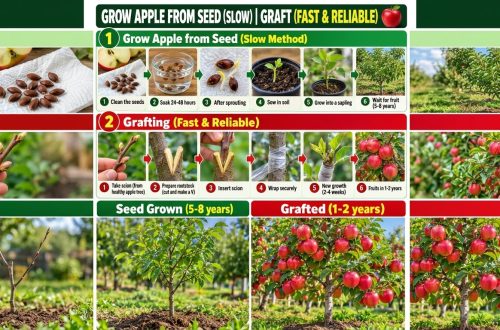
- Faster Fruiting: This is often the biggest draw! Grafting scions from mature, fruit-producing trees onto vigorous rootstock can significantly reduce the time until your new plant bears fruit, sometimes by several years.
- Disease and Pest Resistance: You can select a rootstock known for its resistance to specific soil-borne diseases or pests, giving your grafted tree a stronger defense.
- Adapting to Soil Conditions: Certain rootstocks thrive in particular soil types (e.g., heavy clay, sandy soil). Grafting allows you to grow your desired fruit variety even if your native soil isn’t ideal for its natural root system.
- Dwarfing and Size Control: Specific rootstocks can control the ultimate size of your tree, making it more manageable for small gardens, container growing, or easier harvesting.
- Multi-Variety Trees: Imagine a single apple tree producing Gala, Fuji, and Honeycrisp apples! You can graft different varieties onto one rootstock, creating a “fruit cocktail” tree.
Essential Tools and Materials You’ll Need
Before you start, gather these essentials:
- Sharp Grafting Knife: A very sharp, clean knife is crucial for precise, smooth cuts.
- Pruning Shears: For preparing branches.
- Grafting Wax or Tape: To seal the graft union from drying out and pests. Parafilm tape is very popular.
- Rubbing Alcohol: For sterilizing your tools.
- Rootstock: A healthy, compatible plant with a strong root system.
- Scion Wood: A dormant shoot from the desired fruit variety, typically 4-6 inches long with 2-4 buds.
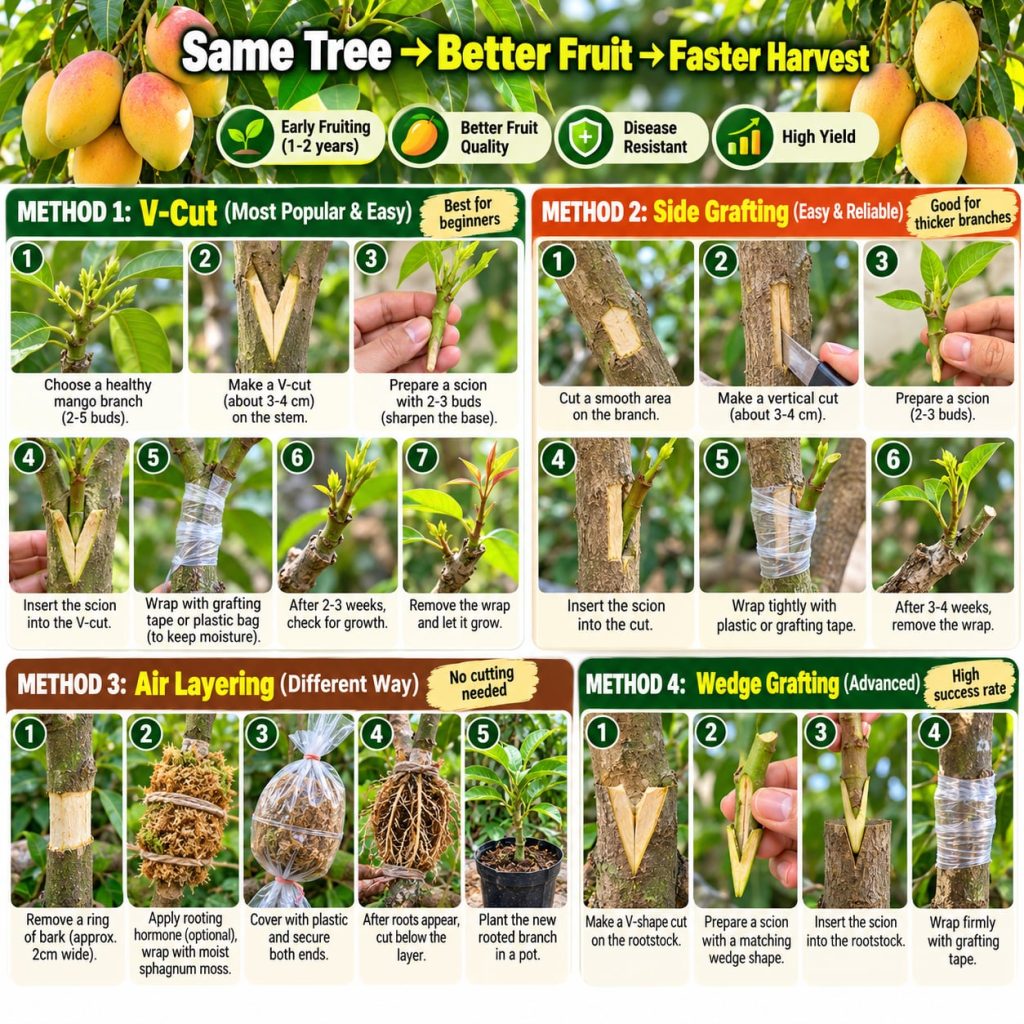
Popular and Easy Grafting Methods for Home Gardeners
1. Whip-and-Tongue Graft
This is a highly successful method, especially for scion and rootstock of similar diameter. It creates a strong union because of the interlocking “tongue” cuts.
How it works: You make a long, sloping cut on both the rootstock and scion, then cut a small “tongue” into each cut surface. These tongues interlock, providing maximum cambium contact and stability.
2. Cleft Graft
Ideal for grafting a smaller scion onto a larger rootstock branch. This method is often used for top-working existing trees to change varieties.
How it works: The rootstock branch is cut horizontally and then split down the middle. Two wedge-shaped scions are inserted into the cleft, ensuring the cambium layers align on both sides. The union is then sealed thoroughly.
3. Bud Grafting (T-Budding)
A technique where a single bud (with a sliver of bark) from the scion is inserted under the bark of the rootstock, usually when the bark is “slipping” (easily separated from the wood).
How it works: A T-shaped incision is made on the rootstock. A single bud from the scion is carefully cut and inserted into the T-cut, beneath the bark flaps. The bud is then tied securely, leaving the bud exposed.
Tips for Grafting Success
- Timing is Key: Most grafting is done in late winter or early spring when both rootstock and scion are dormant, just before new growth begins. Bud grafting is typically done in summer.
- Sterilization: Always sterilize your tools with rubbing alcohol between each cut, especially when moving between different plants, to prevent disease transmission.
- Clean, Quick Cuts: Sharp tools ensure smooth cuts, which heal faster and increase the chances of successful union.
- Cambium Alignment: The most critical step! Ensure the green cambium layers (the thin layer just under the bark) of both the scion and rootstock align perfectly, at least on one side.
- Seal Tightly: After joining, wrap the graft union firmly with grafting tape or apply grafting wax to prevent moisture loss and keep out pests and diseases.
- Proper Aftercare: Monitor your grafted plant. Provide adequate water and protection from harsh weather or curious animals. Remove any shoots that sprout from the rootstock below the graft union.
Start Your Grafting Journey Today!
Plant grafting is an incredibly rewarding skill that can elevate your gardening experience, bringing you closer to a faster, more abundant fruit harvest. While it may seem intimidating at first, with a little practice and attention to detail, you’ll be successfully grafting in no time. So grab your tools, choose your varieties, and get ready to enjoy the fruits of your labor much sooner!
Happy gardening!