Are you dreaming of a garden overflowing with plump, healthy potatoes this season? Many gardeners strive for a bountiful harvest, but sometimes a little natural boost is all it takes to get there. What if we told you there’s a simple, eco-friendly trick that can significantly improve your potato yield and keep your plants thriving? The secret lies in something you might already have or can easily source: wood ash!
The Power of Wood Ash: A Natural Fertilizer for Potatoes
Wood ash isn’t just a byproduct of a cozy fire; it’s a treasure trove of nutrients that can transform your potato patch. Rich in potassium, calcium, and magnesium, and containing trace amounts of phosphorus and other micronutrients, wood ash acts as a fantastic natural fertilizer. These elements are vital for strong plant growth, especially for root crops like potatoes.
- Potassium (K): This is the superstar nutrient for potatoes when it comes to wood ash. Potassium plays a crucial role in tuber development, promoting larger and healthier potatoes. It also helps plants resist diseases and strengthens their overall vigor.
- Calcium (Ca): Essential for cell wall development and overall plant structure, calcium also helps prevent common potato problems like internal browning and hollow heart.
- Magnesium (Mg): A key component of chlorophyll, magnesium ensures your potato plants can efficiently photosynthesize, leading to robust growth.
- Alkalizing Effect: Wood ash is alkaline, meaning it can help raise the pH of acidic soils. While potatoes prefer slightly acidic soil, excessively acidic conditions can hinder nutrient uptake. A balanced application can help optimize soil pH for better growth.
How to Use Wood Ash Effectively for Potatoes
Using wood ash correctly is key to maximizing its benefits without harming your plants. Follow these simple steps for a healthier, more productive potato harvest:
1. Source Your Wood Ash Wisely
Only use ash from untreated, natural wood. Avoid ash from charcoal briquettes, colored paper, treated lumber, or composite materials, as these can contain harmful chemicals that will contaminate your soil and plants. Hardwood ash generally contains more nutrients than softwood ash.
2. Test Your Soil (Optional but Recommended)
Before adding wood ash, it’s always a good idea to know your soil’s current pH. Potatoes generally thrive in soil with a pH between 5.0 and 6.5. Since wood ash is alkaline, adding too much to already alkaline soil can raise the pH too high, which can be detrimental. A simple soil test kit can provide this valuable information.
3. Apply Before Planting
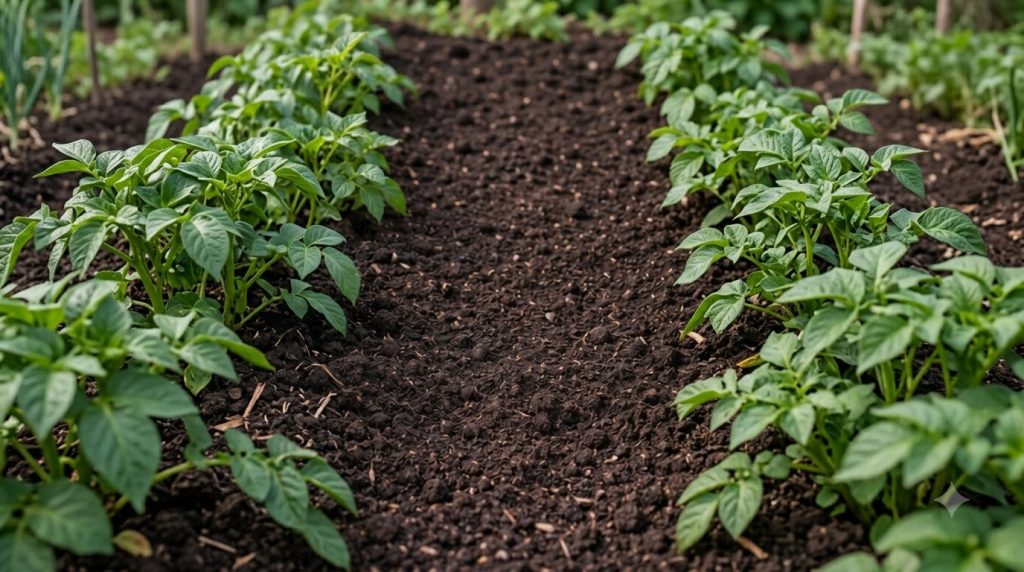
The best time to incorporate wood ash is before planting your potato seed pieces. Spread the ash evenly over the soil surface and then gently work it into the top 4-6 inches of soil. This ensures the nutrients are available to the developing tubers.
4. Mind the Quantity
A general guideline is to use about 10-20 pounds of wood ash per 1,000 square feet of garden space, or roughly a half-cup to one cup per 10 square feet. This is a light dusting, not a thick layer. If your soil is already neutral or slightly alkaline, use less, or consider skipping it entirely for that season to avoid over-alkalizing the soil.
Beyond Wood Ash: More Tips for a Bountiful Potato Harvest
While wood ash is a fantastic natural boost, a truly abundant potato harvest relies on a combination of good gardening practices. Here are some additional tips:
- Choose the Right Variety: Select potato varieties suited to your climate and desired use (e.g., baking, boiling, mashing).
- Prepare Your Soil Well: Potatoes need loose, well-draining soil rich in organic matter. Amend your soil with compost before planting to improve structure and fertility.
- Full Sun Exposure: Plant potatoes in a location that receives at least 6-8 hours of direct sunlight per day.
- Consistent Watering: Potatoes need consistent moisture, especially during flowering and tuber development. Avoid extreme fluctuations, which can lead to problems like scab or irregular shapes.
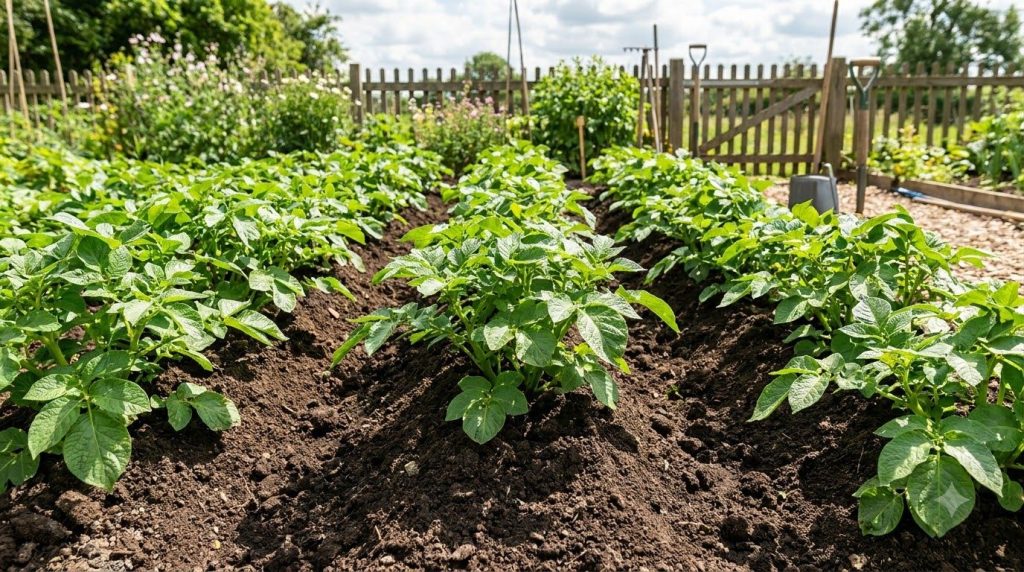
- Hilling Your Potatoes: As potato plants grow, ‘hill up’ the soil around the stems. This covers developing tubers, preventing them from turning green (which makes them inedible) and encouraging more tubers to form. Do this a few times throughout the growing season.
- Pest and Disease Management: Keep an eye out for common potato pests like Colorado potato beetles and diseases such as blight. Practice crop rotation and use organic pest control methods when necessary.
Reap the Rewards of Natural Gardening
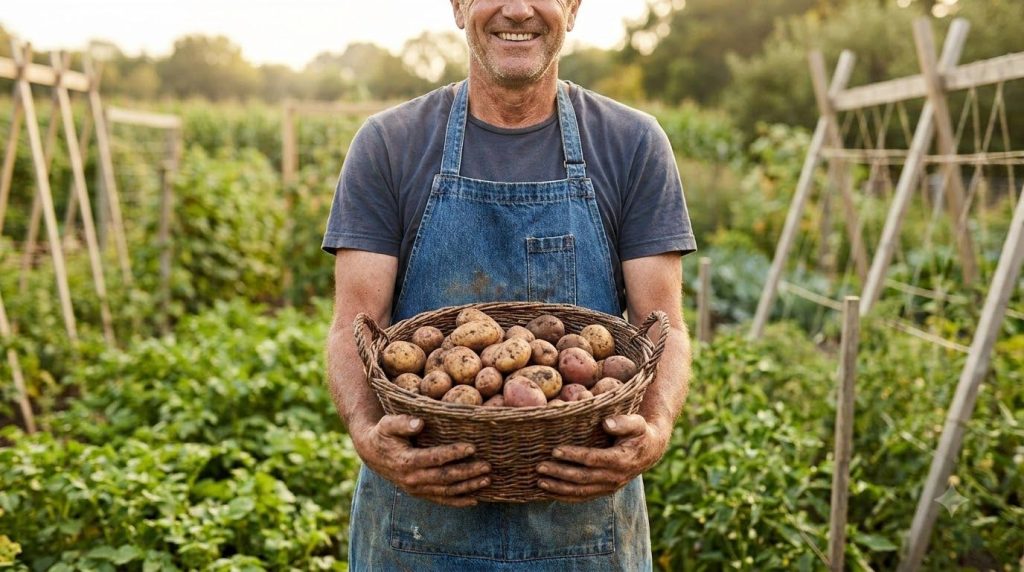
By incorporating wood ash into your potato planting routine and following sound gardening practices, you’re not only fostering healthier plants but also contributing to a more sustainable and organic garden. Imagine digging up your own enormous, delicious potatoes, knowing they were grown naturally, free from harsh chemicals. It’s a truly rewarding experience.
So, this season, give your potatoes the natural boost they deserve with wood ash. Your garden (and your taste buds) will thank you!