Imagine never having to buy certain vegetables from the store again, or at least significantly reducing your trips! This isn’t a gardening dream; it’s a reality with re-harvestable vegetables. These amazing plants allow you to cut and come again, providing a continuous supply of fresh produce right from your garden or even your windowsill. It’s gardening made easy, sustainable, and incredibly rewarding.
Here at Garden – L. Quyên, we’re all about making gardening accessible and fun. Re-harvesting is a fantastic way to maximize your yield with minimal effort, perfect for both seasoned gardeners and beginners. Let’s dive into the wonderful world of plants that keep on giving!
What Are Re-Harvestable Vegetables?
Re-harvestable vegetables, also known as ‘cut-and-come-again’ plants, are those that can be harvested multiple times throughout their growing season. Instead of pulling the entire plant, you selectively harvest outer leaves, stalks, or specific parts, allowing the plant to regrow and produce more. This method extends your harvest, saves space, and reduces the need for continuous replanting.
Top Re-Harvestable Veggies for Your Garden
Let’s explore some of the easiest and most rewarding re-harvestable vegetables you can grow.
1. Leaf Lettuce
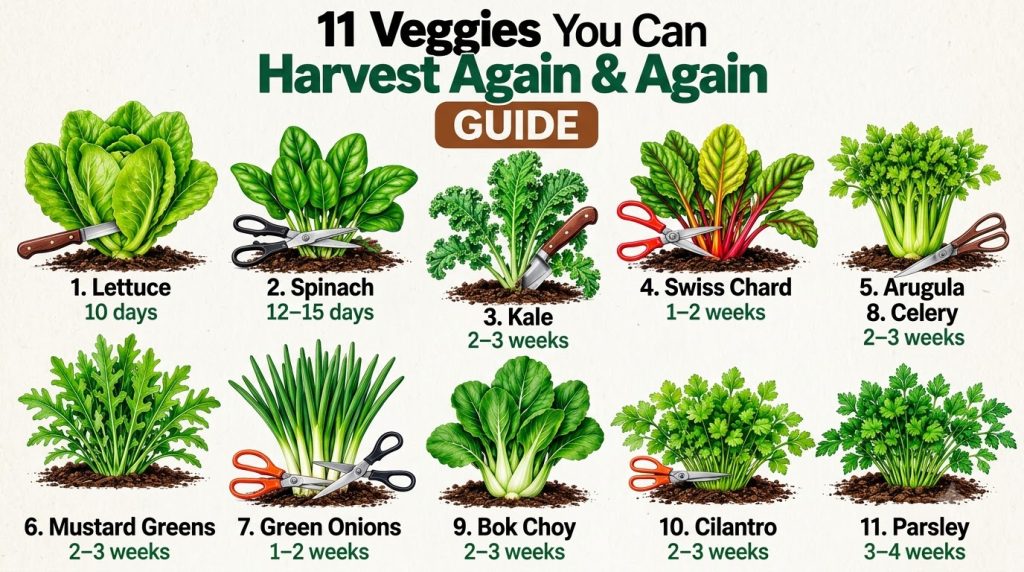
Lettuce is perhaps the most famous cut-and-come-again crop. Instead of harvesting the whole head, simply snip off the outer leaves as needed. The inner leaves will continue to grow, providing fresh salads for weeks!
- How to Harvest: Use scissors or a knife to cut outer leaves about an inch from the base.
- Re-harvest Time: Every 1-2 weeks.
2. Spinach
Similar to lettuce, spinach thrives on repeated harvesting. Picking the larger, outer leaves encourages the plant to produce more tender, new growth.
- How to Harvest: Pinch or cut the outer leaves, leaving the central leaves intact.
- Re-harvest Time: Every 1-3 weeks.
3. Kale
Kale is a nutritional powerhouse that also offers multiple harvests. Focus on harvesting the lower, mature leaves, allowing the plant to grow taller and continue producing.
- How to Harvest: Snap or cut the bottom 2-3 inches of the leaf stem from the main stalk.
- Re-harvest Time: Every 2-4 weeks.
4. Celery
While often bought as a whole stalk, celery can be re-harvested. You can either plant the base of a store-bought celery or harvest individual stalks from a growing plant.
- How to Harvest: Cut individual outer stalks at the base, or cut the entire plant leaving the central 1-2 inches above the soil line.
- Re-harvest Time: Every 2-4 weeks (for individual stalks).
5. Cilantro
This popular herb is notorious for bolting (going to seed) quickly, but with proper harvesting, you can extend its life significantly.
- How to Harvest: Snip off outer stems near the base, taking only about a third of the plant at a time.
- Re-harvest Time: Every 1-2 weeks.
6. Green Onions (Scallions)
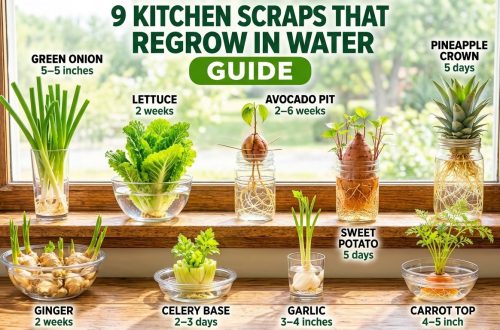
One of the easiest re-harvesters! You can even regrow these from the white bases of store-bought green onions in a glass of water.
- How to Harvest: Cut the green tops about 1 inch above the soil line.
- Re-harvest Time: Every 1-2 weeks.
7. Basil
To encourage bushier growth and more leaves, basil should be pinched regularly. This also makes it a great re-harvestable herb.
- How to Harvest: Pinch off individual leaves or snip stems just above a set of two leaves.
- Re-harvest Time: Every 2-3 weeks.
Tips for Successful Re-Harvesting
To ensure your re-harvestable veggies thrive and keep producing, keep these tips in mind:
- Don’t Over-Harvest: Never take more than one-third of the plant’s foliage at a time. The plant needs enough leaves to photosynthesize and regrow.
- Provide Adequate Nutrients: Continuous production requires energy. Fertilize your plants regularly with a balanced organic fertilizer, especially after harvesting.
- Consistent Watering: Keep the soil consistently moist, but not waterlogged.
- Good Soil Quality: Start with rich, well-draining soil. Amend with compost to boost fertility.
- Plenty of Sunlight: Most re-harvestable vegetables prefer at least 6 hours of direct sunlight per day.
- Pest and Disease Management: Healthy plants are more resilient. Monitor for pests and address any issues promptly.
Benefits of Embracing Re-Harvesting
- Sustainable Gardening: Reduce waste and your carbon footprint by growing your own.
- Cost Savings: Fewer trips to the grocery store for fresh greens.
- Fresher Produce: Harvest your vegetables just moments before eating them for peak flavor and nutrition.
- Educational Fun: A great way to teach children (and adults!) about how food grows.
- Increased Yield: Get more from a single plant over a longer period.
Start Your Continuous Harvest Today!
Re-harvestable vegetables are a game-changer for any gardener looking for efficiency and abundance. They take some of the guesswork out of gardening and provide a consistent supply of healthy, fresh produce. So, why not pick a few of these incredible plants and give continuous harvesting a try?
Do you have a favorite re-harvestable vegetable or a clever tip for continuous harvesting? Share your experiences and wisdom with our Garden – L. Quyên community in the comments below!