Unlock the Secret to Bountiful Strawberries and Sustainable Gardening!
Imagine stepping into your backyard or balcony and plucking fresh, juicy strawberries right from your own plants. What if we told you that you could not only enjoy these sweet treats but also reduce your kitchen waste and improve your soil, all within a small space? Welcome to the wonderful world of DIY mini-composters for your strawberry patch! This clever gardening hack is perfect for anyone looking to embrace sustainable living, even if you only have a patio or a small corner of your yard.
At Garden – L. Quyên, we’re all about making gardening accessible, rewarding, and fun. This project ticks all those boxes, combining the joy of growing your own food with the eco-friendly practice of composting. Let’s dive in and transform some old containers into a thriving strawberry haven!
Why Combine Composting with Your Strawberry Patch?
This isn’t just a quirky DIY project; it’s a smart gardening strategy with multiple benefits:
- Nutrient-Rich Soil: As your kitchen scraps decompose in the mini-composter, they release essential nutrients directly into the soil where your strawberries are growing. This provides a slow-release, organic fertilizer that your plants will love.
- Waste Reduction: Divert food scraps from landfills and turn them into valuable plant food. It’s a win-win for your garden and the planet!
- Improved Soil Health: Composting adds beneficial microbes and organic matter to your soil, enhancing its structure, water retention, and overall fertility.
- Space-Saving Solution: Perfect for urban gardeners or those with limited space. You get a strawberry patch and a composting system rolled into one compact unit.
- Fresh, Organic Strawberries: By nourishing your plants with homemade compost, you’re growing healthier, more robust strawberries, free from synthetic chemicals.
What You’ll Need for Your DIY Mini-Composter
Gathering your materials is the first exciting step! Most of these items you might already have around the house or can find easily.
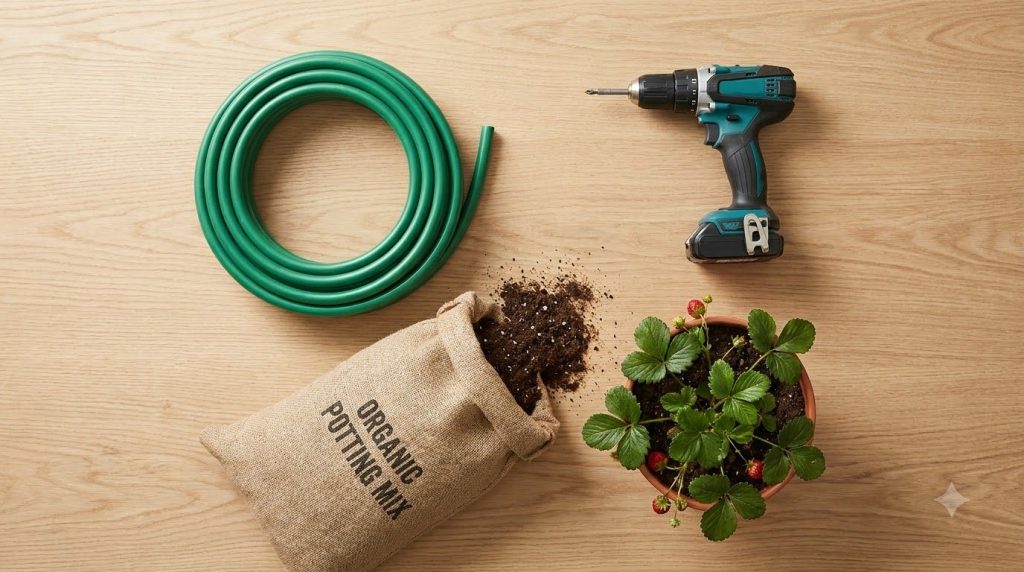
- Large Containers: 5-gallon buckets, old laundry baskets, large planter pots, or storage bins. Ensure they have drainage holes or you can easily add them.
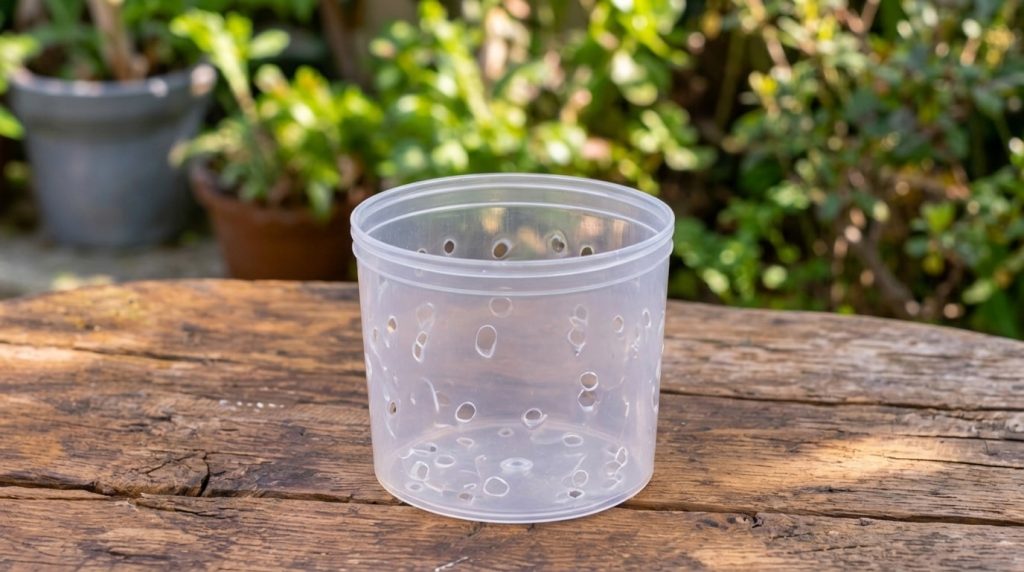
- PVC Pipe or Perforated Container: A section of 3-4 inch diameter PVC pipe (about 12-18 inches long) or a smaller plastic bottle/container with holes poked into it. This will be your mini-composter.
- Drill or Knife: To make drainage holes in your main containers and aeration holes in your composter pipe.
- Potting Mix: A good quality, well-draining potting mix.
- Strawberry Plants: Bare-root or potted strawberry plants (June-bearing, ever-bearing, or day-neutral varieties work well).
- Kitchen Scraps: Vegetable and fruit peels, coffee grounds, tea bags, eggshells (rinsed). Avoid meat, dairy, oily foods, and diseased plants.
- Shovel or Trowel: For planting.
Step-by-Step Guide: Building Your Strawberry Composter
1. Prepare Your Main Container
If your large container doesn’t have drainage holes, use your drill (or a sharp knife with caution) to create several holes in the bottom. Good drainage is crucial to prevent waterlogging and root rot for your strawberries.
2. Create Your Mini-Composter
Take your PVC pipe or smaller container. Drill or poke numerous holes along its sides (about 1/2 inch in diameter). These holes will allow worms and microbes to access the compost and nutrients to seep into the surrounding soil. If using PVC, cap one end (or bury it deep enough so that the bottom is closed off by soil).
3. Position and Plant
Place your prepared mini-composter vertically in the center of your large container. Fill the main container with potting mix, leaving about 2-3 inches from the rim. Carefully plant your strawberry plants around the base of the mini-composter, ensuring their crowns (the part where the leaves emerge) are at soil level. Gently firm the soil around them.
4. Introduce Your Kitchen Scraps
Start adding your ‘green’ kitchen scraps (fruit/vegetable peels, coffee grounds) into the mini-composter. You can also add a small amount of ‘brown’ material like shredded newspaper or dry leaves if you have them, to balance the compost. The composting process will begin, slowly feeding your strawberry plants.
Caring for Your Strawberry Composter
- Watering: Keep the soil consistently moist, especially during fruiting. The mini-composter will help retain some moisture, but regular watering is still key. Water the soil around the plants, not directly into the composter.
- Sunlight: Strawberries love sun! Place your containers in a spot that receives at least 6-8 hours of direct sunlight per day.
- Feeding the Composter: Continue adding kitchen scraps as they become available. You can also add a handful of garden soil or finished compost occasionally to introduce more beneficial microbes.
- Pest Control: Keep an eye out for common strawberry pests. Healthy plants are more resilient. The enclosed nature of the composter helps deter larger pests from the compost itself.
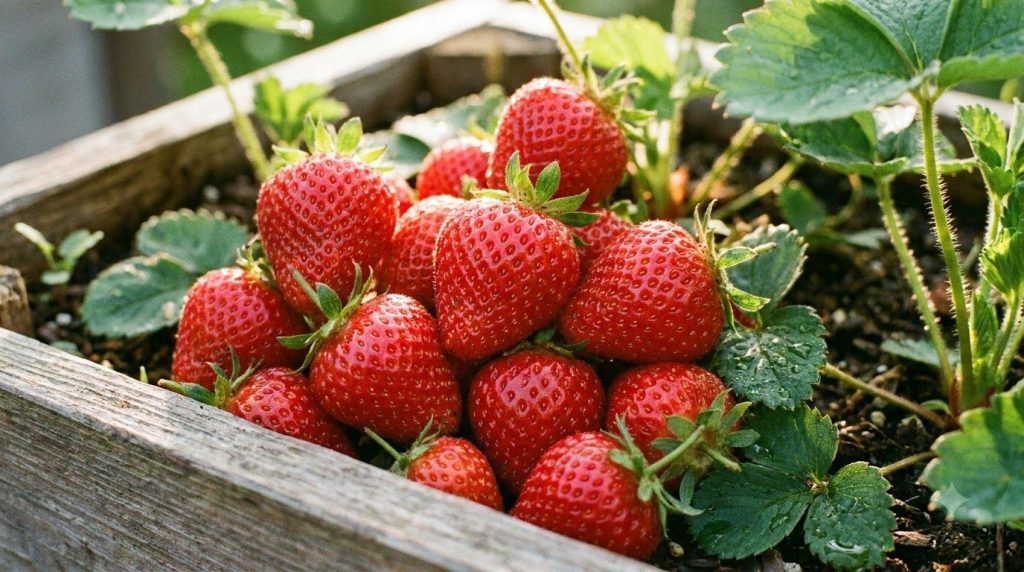
- Harvesting: Pick your strawberries when they are fully red and fragrant. Enjoy the fruits of your labor!
Troubleshooting Common Issues
- Composter Smells Bad: This usually means there’s too much ‘green’ material and not enough ‘brown,’ or it’s too wet. Add some shredded newspaper, dry leaves, or a handful of soil. Ensure your scraps aren’t meat or dairy.
- Flies Around Composter: Cover your scraps with a thin layer of soil after adding them. This helps prevent pests and odors.
- Strawberries Not Fruiting: Ensure they are getting enough sunlight, water, and nutrients. Some varieties might need a specific chilling period.
Beyond Strawberries: What Else Can You Grow?
While this system is fantastic for strawberries, you can adapt the mini-composter concept for other container-friendly plants too! Consider herbs like basil or mint, leafy greens like lettuce or spinach, or even bush beans. The principle remains the same: provide direct, organic nutrition to your potted plants.
Start Your Sustainable Strawberry Journey Today!
Creating your own DIY mini-composter for strawberries is a rewarding project that empowers you to grow fresh, delicious fruit while contributing to a more sustainable lifestyle. It’s perfect for gardeners of all levels and a fantastic way to utilize small spaces efficiently. So grab those old containers, get creative, and prepare to enjoy the sweet taste of homegrown success. Happy gardening!