Revitalize Tarnished Copper: The Natural Lemon & Salt Shine Hack!
Is your once-gleaming copper cookware looking dull, discolored, and covered in unsightly tarnish? Don’t despair, and certainly don’t reach for harsh chemical cleaners just yet! Many homeowners face the challenge of maintaining the beautiful luster of their copper pieces. Over time, exposure to air, moisture, and even certain foods can cause copper to oxidize, leading to a dark, greenish-brown film that diminishes its appeal.
The good news? You can bring that brilliant shine back to your copper items using just two common kitchen staples you likely already have on hand: lemon and salt. This simple, eco-friendly, and budget-friendly home hack is a game-changer for restoring your copper to its former glory. Let’s dive into how this dynamic duo works and how you can easily implement this natural cleaning solution in your home.
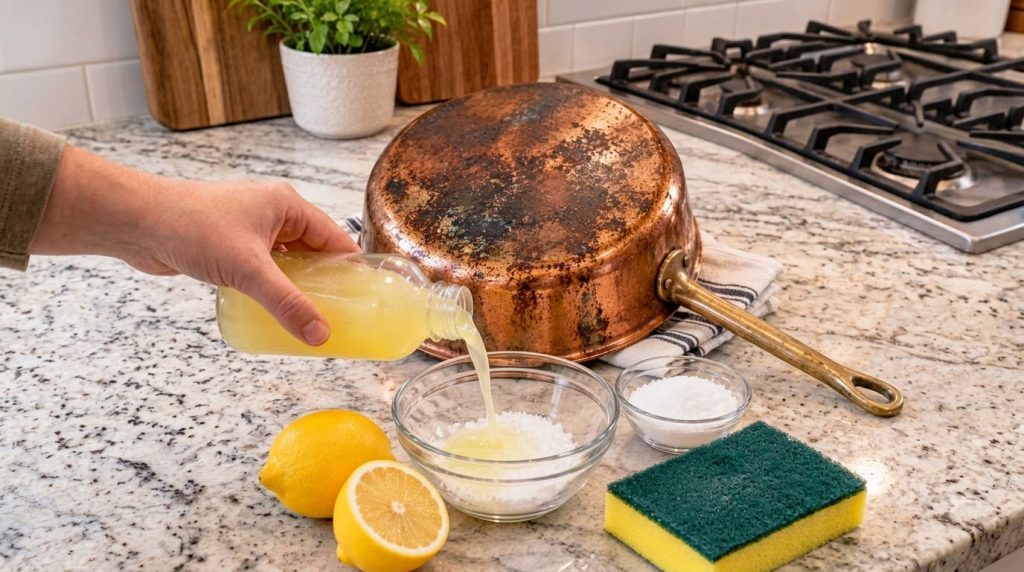
The Magic Duo: Lemon & Salt Explained
Understanding why this humble combination is so effective makes the process even more satisfying. It’s all about a bit of chemistry and mechanical action:
- Lemon Juice (Citric Acid): Lemons are rich in citric acid, a natural alpha hydroxy acid. This acid is key to dissolving the copper oxide (tarnish) that forms on the surface of your copper items. The acid reacts with the tarnish, breaking it down and making it easier to remove. It’s a gentle yet powerful natural chelating agent, meaning it binds to metal ions and lifts them away.
- Salt (Sodium Chloride): The salt acts as a mild abrasive. When combined with the lemon juice, the tiny salt crystals provide the necessary friction to gently scrub away the loosened tarnish without scratching the underlying copper. Think of it as a natural, fine-grit scouring powder.
Together, the acid in the lemon juice chemically tackles the tarnish, while the salt physically helps to scrub it off, revealing the shiny copper underneath.
What You’ll Need
This copper cleaning hack requires minimal supplies, making it incredibly accessible:
- 1-2 fresh lemons (or about 1/4 cup lemon juice)
- 2-3 tablespoons of table salt (fine-grain salt works best)
- A soft cloth or sponge (non-abrasive)
- A bowl for mixing
- Warm water for rinsing
- A clean, dry towel
Step-by-Step: Restoring Your Copper’s Shine
Follow these simple steps to bring back the gleam to your tarnished copper:
-
Prepare Your Cleaning Paste:
Cut a lemon in half. In a small bowl, pour about 2-3 tablespoons of table salt. Squeeze the juice from one half of the lemon directly into the salt. Mix it well to form a thick paste. If it’s too runny, add a little more salt; if it’s too dry, add a bit more lemon juice. You want a consistency that adheres to the copper.
-
Apply the Paste:
Using the other half of the lemon as an applicator (or a soft cloth/sponge), scoop up a generous amount of the lemon and salt paste. Apply it directly to the tarnished areas of your copper item. Ensure the entire discolored surface is covered with a thin, even layer of the paste.
-
Let it Sit (Optional, but Recommended for Heavy Tarnish):
For lightly tarnished items, you might start scrubbing immediately. However, for more heavily tarnished pieces, let the paste sit on the copper for 5-10 minutes. This allows the citric acid ample time to break down the tarnish effectively.
-
Gently Scrub:
Using a soft cloth, sponge, or even the squeezed lemon half itself, gently rub the paste onto the copper in small circular motions. You’ll begin to see the tarnish lift away, revealing the bright copper underneath. Don’t scrub too aggressively, as the salt provides enough abrasive power with light pressure.
-
Rinse Thoroughly:
Once you’re satisfied with the shine, rinse the copper item thoroughly under warm running water. Ensure all traces of the lemon and salt mixture are removed, as leaving salt on the surface can lead to new discoloration.
-
Dry Immediately:
Immediately after rinsing, dry the copper item completely with a clean, soft, dry towel. This is a crucial step to prevent water spots and further tarnish from forming.
Tips for Best Results & Maintenance
- Test a Small Area: If you’re unsure how your copper item will react, test the paste on an inconspicuous spot first.
- Be Patient with Heavy Tarnish: For very stubborn tarnish, you might need to repeat the process or let the paste sit a bit longer.
- Avoid Harsh Scrubbers: Never use steel wool or highly abrasive sponges, as these can scratch and damage the copper surface.
- Prevent Future Tarnish: Store copper in a dry place. You can also apply a thin layer of mineral oil or beeswax to clean, dry copper to create a barrier against oxidation, though this might not be suitable for cookware.
- Regular Cleaning: The best way to keep your copper shining is to clean it regularly, preventing heavy tarnish from building up.
Why Choose Natural Cleaning?
Opting for natural cleaning methods like this lemon and salt hack offers several benefits:
- Eco-Friendly: You’re using biodegradable, non-toxic ingredients that are safe for your home and the environment.
- Budget-Friendly: Lemons and salt are inexpensive and readily available, saving you money on specialized copper cleaners.
- Chemical-Free: Avoids exposure to harsh chemicals found in many commercial cleaning products, which can be irritating to skin and respiratory systems.
- Satisfying Results: There’s a certain satisfaction in achieving sparkling results with simple, natural ingredients.
Important Safety Notes
- Ventilation: While this is a natural cleaner, always ensure good ventilation when cleaning, especially in enclosed spaces.
- Skin Sensitivity: If you have sensitive skin, wear gloves to protect your hands from prolonged contact with lemon juice, which can be irritating.
- Not for Lacquered Copper: This method is suitable for unlacquered copper. If your copper item has a protective lacquer coating (common on decorative pieces), this method will not work as the tarnish is on top of the lacquer, and the acid cannot reach the copper itself. You’ll need to remove the lacquer first or use a different cleaning approach.
- Avoid Aluminum: Do not use this mixture on aluminum surfaces, as the acid can react poorly with aluminum.
Say goodbye to dull, tarnished copper and hello to a brilliant shine with this incredibly simple and effective natural hack. It’s a testament to the power of everyday kitchen items in solving common household problems. Give it a try and marvel at the transformation!
What’s your go-to natural cleaning tip for tackling tough household challenges? Share your wisdom in the comments below!