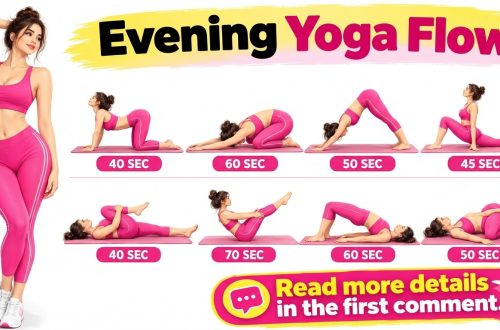
Yoga for Back Pain Relief!
Back pain can be a real hindrance, impacting daily activities and overall quality of life. Many people experience discomfort in their back, whether it’s a dull ache, a sharp twinge, or chronic stiffness. The good news is that incorporating gentle movement into your routine can often provide significant relief. Just 5-10 minutes of gentle yoga each day may help make a noticeable difference in improving flexibility and finding comfort.
These stretches are designed to move safely and support your back health, helping you regain comfort and mobility. Let’s explore how yoga can become a valuable tool in your wellness journey.
Understanding Back Pain: A Common Challenge
Back pain is one of the most common reasons people seek medical attention. It can stem from various factors, including poor posture, prolonged sitting, muscle strain, injury, or even stress. While severe or persistent pain always warrants a consultation with a healthcare professional, many cases of mild to moderate back discomfort can benefit from regular, gentle physical activity.
How Yoga Can Help Soothe Your Back
Yoga is a holistic practice that combines physical postures (asanas), breathing techniques (pranayama), and meditation. For back pain, its benefits are multifaceted:
- Increased Flexibility: Yoga gently stretches muscles and connective tissues, which can become tight and stiff, contributing to back pain.
- Strengthened Core Muscles: A strong core, including abdominal and back muscles, is essential for supporting the spine and maintaining good posture.
- Improved Posture: By bringing awareness to alignment and strengthening supporting muscles, yoga can help correct postural imbalances.
- Stress Reduction: Stress and tension often manifest as physical pain, especially in the neck and back. The calming nature of yoga may help reduce stress, which in turn can alleviate muscle tension.
- Enhanced Body Awareness: Yoga teaches you to listen to your body, recognizing early signs of tension and adjusting movements to prevent pain.
Gentle Yoga Poses for Back Pain Relief
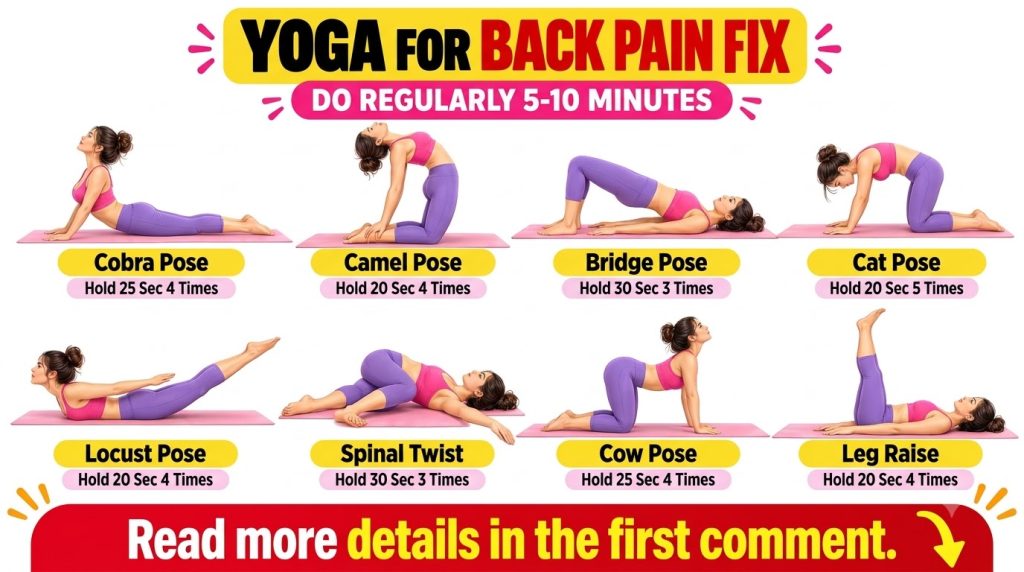
Here are a few gentle yoga poses that are commonly associated with supporting back health. Remember to move slowly and only go as far as feels comfortable for your body. If you feel any sharp pain, stop immediately.
Child’s Pose (Balasana)
This restorative pose gently stretches the hips, thighs, and ankles while relieving stress and fatigue. It can be very calming for the mind and supportive for the lower back.
- How to: Start on your hands and knees. Bring your big toes to touch and spread your knees wide. Sink your hips back towards your heels and extend your arms forward, resting your forehead on the mat.
Cat-Cow Pose (Marjaryasana-Bitilasana)
A gentle flow that warms up the spine and helps improve its flexibility. It can also relieve tension in the back and torso.
- How to: Begin on all fours, wrists under shoulders and knees under hips. Inhale as you drop your belly, lift your chest and tailbone (Cow). Exhale as you round your spine towards the ceiling, tucking your chin and tailbone (Cat).
Downward-Facing Dog (Adho Mukha Svanasana)
This pose lengthens the spine and stretches the hamstrings, calves, and shoulders, which can contribute to back tension.
- How to: From hands and knees, lift your hips towards the sky, forming an inverted V-shape with your body. Press your hands and feet into the mat, keeping a slight bend in your knees if your hamstrings are tight.
Sphynx Pose (Salamba Bhujangasana)
A gentle backbend that helps strengthen the back and glutes, and can improve spinal flexibility. It’s a milder alternative to Cobra Pose.
- How to: Lie on your belly, forearms on the floor, elbows under shoulders. Gently lift your chest, using your forearms for support. Keep your hips and legs relaxed on the mat.
Supine Spinal Twist (Supta Matsyendrasana)
This pose gently twists the spine, which can release tension in the lower back and hips, and may aid digestion.
- How to: Lie on your back, hug your knees into your chest. Extend your arms out to a ‘T’ shape. Let both knees fall to one side, keeping your shoulders grounded. Look towards the opposite hand. Repeat on the other side.
Important Tips for a Safe Practice
To ensure your yoga practice is beneficial and safe, keep these tips in mind:
- Listen to Your Body: Never force a pose. Pain is a signal to stop.
- Start Slowly: If you’re new to yoga, begin with shorter sessions and gradually increase duration as your strength and flexibility improve.
- Proper Alignment: While it’s hard to get perfect alignment without an instructor, focus on keeping your spine long and engaging your core. Consider watching reputable online tutorials or attending a beginner’s class.
- Breathe Deeply: Connect your movement with your breath. Deep, steady breathing helps calm the nervous system and oxygenate muscles.
- Consult a Professional: If you have a pre-existing back condition or severe pain, always consult your doctor or a physical therapist before starting any new exercise regimen.
Integrating Yoga into Your Daily Routine
Consistency is key. Even 5-10 minutes of gentle yoga each day can yield positive results. Consider making it a part of your morning routine to prepare your body for the day, or an evening practice to unwind and release tension before sleep. You can also break it up into shorter mini-sessions throughout the day.
When to Consult a Professional
While yoga can be incredibly helpful, it’s not a substitute for medical advice or treatment. If you experience persistent, severe, or worsening back pain, numbness, tingling, or weakness in your legs, please consult a healthcare professional immediately. They can provide a proper diagnosis and recommend the best course of action for your specific situation.
By embracing gentle yoga and maintaining a mindful approach, you can take proactive steps towards a healthier, more comfortable back.
Disclaimer: This article is for informational purposes only and does not constitute medical advice. Always consult with a qualified healthcare professional before starting any new exercise program, especially if you have existing health conditions or concerns.