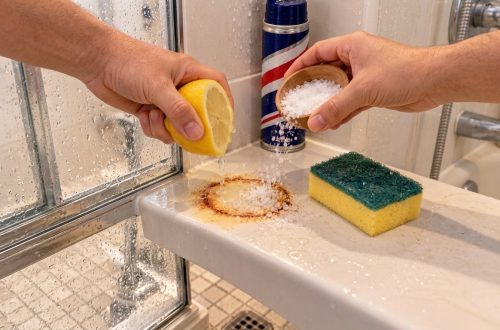
Stubborn stains can be a real headache, especially unsightly rust marks on your bathroom counter or persistent grime in the kitchen. Many commercial cleaners can be harsh, filled with chemicals, and not always the most pleasant to use. But what if a simple, natural, and incredibly effective solution was hiding in your pantry?
Enter the dynamic duo of lemon and salt. This unexpected combination offers a powerful, eco-friendly way to tackle those tough everyday stains and bring a natural sparkle back to various surfaces around your home. It’s a simple, fresh approach to cleaning that might just make your routine a little greener and a lot more satisfying.
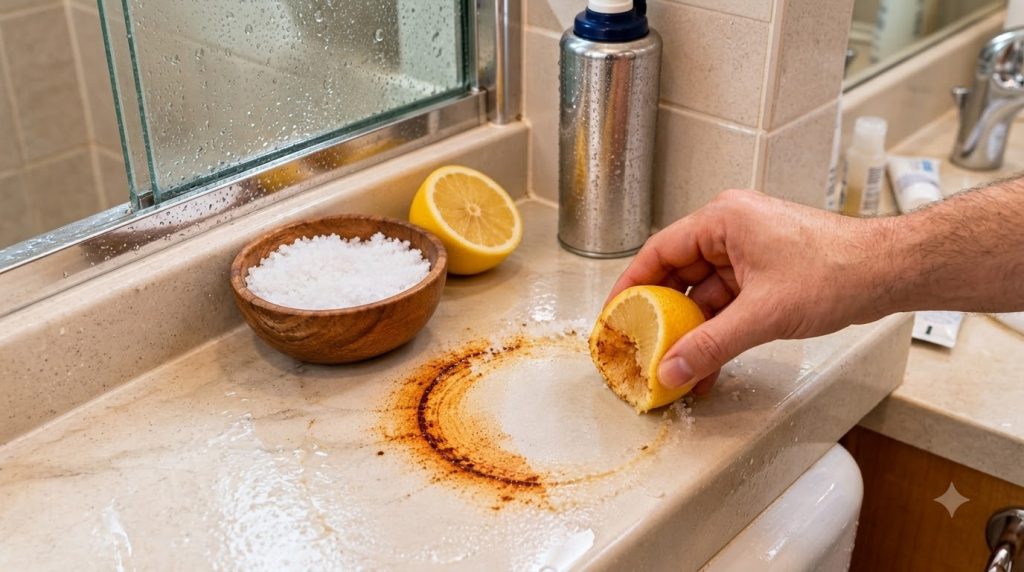
What You’ll Need
- 1 fresh lemon
- Coarse salt (like kosher or sea salt)
- Small bowl (optional, for salt)
- Soft cloth or sponge
- Stiff brush or old toothbrush (for tougher stains or grout)
- Gloves (optional, for sensitive skin)
Why This DIY Can Be Useful
The magic behind this simple DIY lies in the individual properties of its two key ingredients:
- Lemon: Rich in citric acid, lemon juice acts as a natural bleaching agent and a mild abrasive. It helps to dissolve mineral deposits, cut through grease, and break down rust and soap scum. Its fresh scent is a bonus, leaving your home smelling naturally clean.
- Salt: The abrasive texture of coarse salt provides gentle scrubbing power. It helps to lift and scour away stains and grime without harsh chemicals. When combined with lemon juice, the salt acts as a scrubbing enhancer, making it easier to remove stubborn spots.
How to Make It
This “recipe” is less about mixing and more about preparing for application, keeping it wonderfully simple:
- Cut your fresh lemon in half.
- Pour a small amount of coarse salt into a shallow bowl or directly onto a clean surface.
How to Use It
This natural cleaner is versatile, but always test on an inconspicuous area first.
- Prepare the Surface: For best results, ensure the stained surface is dry before application.
- Apply the Ingredients: You have a couple of options:
- Direct Application: Sprinkle a generous amount of coarse salt directly onto the stubborn stain. Then, squeeze the cut lemon half over the salt, allowing the juice to soak into the stain and create a paste.
- Lemon Scrub: Dip the cut side of your lemon half directly into the bowl of coarse salt, picking up a good amount. Then, use this lemon-salt combination to directly scrub the stained area.
- Let It Sit: Once applied, let the lemon and salt mixture sit on the stain for 5-10 minutes. For more severe or deeply set stains, you can let it sit for up to an hour. The longer contact time allows the citric acid to work its magic.
- Scrub and Rinse: After the waiting period, use the lemon itself, a soft cloth, or a stiff brush (for extra scrubbing power) to gently scrub the area. Once the stain is visibly lifting, rinse the area thoroughly with clean water.
- Wipe Dry: Wipe the surface dry with a clean cloth to prevent water spots and reveal your clean surface.
What to Expect
With this lemon and salt DIY, you can expect a significant reduction or complete removal of many common household stains, including rust marks, hard water spots, and general grime. Your surfaces should look cleaner and brighter, with a fresh, natural scent. For very old, deep, or particularly stubborn stains, you might need to repeat the application process a few times to achieve the desired result. Remember, natural solutions sometimes require a bit more patience than harsh chemicals.
Helpful Tips
- Warm Water Rinse: Rinsing with warm water can help dissolve any remaining salt and leave the surface streak-free.
- Fresh Lemons: Always use fresh lemons for maximum acidity and cleaning power. Bottled lemon juice works in a pinch, but fresh is best.
- Paste for Vertical Surfaces: For stains on vertical surfaces where the liquid might run, mix lemon juice with salt in a bowl to create a thicker paste, then apply it.
- Tight Spots: An old toothbrush is excellent for scrubbing the lemon-salt mixture into grout lines, corners, or other hard-to-reach areas.
Important Notes / Safety
- Patch Test: Always, always test this mixture on a small, inconspicuous area of the surface first. This is crucial to ensure it doesn’t cause any discoloration or damage, especially on delicate materials.
- Avoid Certain Surfaces: Do NOT use this method on natural stone surfaces like marble or granite, as the acid in the lemon can etch and dull the finish. Also avoid highly polished metals like brass or copper, which might react or discolor.
- Rinse Thoroughly: Ensure all salt and lemon residue is completely rinsed away after cleaning. Leaving salt behind can lead to further corrosion or leave a sticky residue.
- Hand Protection: If you have sensitive skin or any cuts, consider wearing gloves to protect your hands from the acidic lemon juice and abrasive salt.
- Ventilation: While natural, it’s always a good idea to ensure good ventilation when cleaning.