Welcome, fellow garden enthusiasts! Are you tired of battling weeds, constantly watering, or seeing your plants struggle despite your best efforts? The secret to a healthier, happier garden might be simpler than you think: mulching. But not just any mulching – we’re talking about smart mulching. Forget the guesswork; today, we’re diving into how to choose the best mulching materials to transform your backyard into a thriving oasis.
What is Mulch and Why is it a Game-Ch Changer for Your Garden?
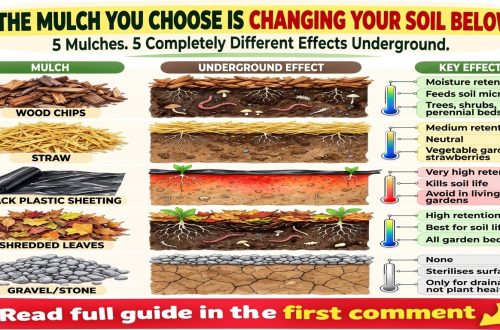
Mulch is essentially a protective layer of material spread over the soil surface. It can be organic (like wood chips, straw, or leaves) or inorganic (like gravel or plastic). Its benefits are numerous, making it a cornerstone of successful gardening:
- Weed Suppression: Mulch blocks sunlight, preventing weed seeds from germinating and smothering existing weeds.
- Moisture Retention: It acts like a blanket, reducing water evaporation from the soil, which means less frequent watering for you!
- Temperature Regulation: Mulch insulates the soil, keeping it cooler in summer and warmer in winter, protecting plant roots from extreme temperatures.
- Soil Health Improvement: Organic mulches break down over time, enriching the soil with valuable nutrients and improving its structure.
- Erosion Control: It protects bare soil from the impact of rain and wind.
Choosing the Right Mulch for Your Plants
Just like plants have different needs, so do mulches. Using the wrong type can do more harm than good. Let’s explore some of the best organic mulching materials and where they shine.
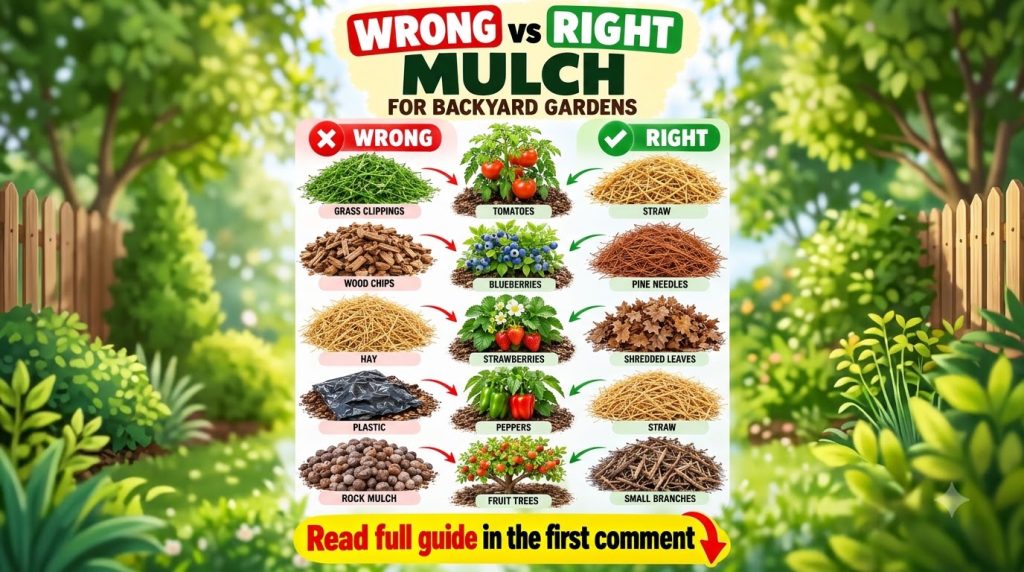
1. Straw: The Vegetable Garden’s Best Friend
Perfect for: Tomatoes, strawberries, peppers, and other annual vegetables.
Straw (not hay, which contains weed seeds!) is an excellent choice for vegetable gardens. It’s lightweight, easy to spread, and breaks down relatively quickly, adding organic matter to the soil. It’s particularly great for:
- Tomatoes: Keeps fruit clean and off the soil, reducing disease.
- Strawberries: Protects berries from rot and keeps weeds at bay.
- Peppers: Helps retain moisture and regulate soil temperature.
What to avoid: Avoid using fresh grass clippings directly as mulch, especially if they’ve been treated with herbicides, or if they’re too thick, as they can compact and become slimy, leading to fungal issues.
2. Pine Bark/Pine Needles: Ideal for Acid-Loving Plants
Perfect for: Blueberries, rhododendrons, azaleas, and other acid-loving shrubs.
Pine bark nuggets or shredded pine needles slowly decompose, adding acidity to the soil, which these plants adore. They also offer a neat, attractive appearance and are long-lasting.
What to avoid: Black plastic mulch can overheat the soil in hot climates and prevent proper water penetration and air circulation, potentially harming delicate root systems like those of blueberries.
3. Shredded Leaves: Nature’s Free Mulch
Perfect for: Perennial beds, shrubs, and peppers.
Don’t let those fallen leaves go to waste! Shredded leaves are a fantastic, free source of organic mulch. They improve soil structure, attract beneficial earthworms, and provide a slow release of nutrients as they decompose. They are especially good for peppers, helping to maintain consistent soil moisture.
What to avoid: Peat moss, while often used as a soil amendment, isn’t ideal as a top-layer mulch due to its tendency to shed water when dry and its unsustainable harvesting practices.
4. Wood Chips/Shredded Bark: Long-Lasting Beauty
Perfect for: Fruit trees, permanent landscape beds, trees, and shrubs.
For areas where you want a long-lasting, attractive mulch, wood chips or shredded bark are excellent. They suppress weeds effectively and help moderate soil temperature. Just be sure to keep them a few inches away from tree trunks to prevent moisture buildup and pest issues.
What to avoid: Rubber mulch, while durable, does not offer the same soil-building benefits as organic mulches. It can also leach chemicals into the soil and doesn’t decompose, meaning it won’t contribute to soil health over time. Stick to natural options for your fruit trees!
How to Apply Mulch for Best Results
Applying mulch isn’t just about throwing it down; a little technique goes a long way:
- Prepare the Area: Weed the bed thoroughly before applying mulch.
- Water First: Ensure the soil beneath is moist before mulching to lock in that hydration.
- Apply Evenly: Spread a layer of 2-4 inches for most organic mulches.
- Keep Away from Stems/Trunks: Create a small donut shape around plant stems and tree trunks, leaving a few inches of space. This prevents rot and pest issues.
- Replenish as Needed: Organic mulches decompose, so you’ll need to top them up annually or bi-annually.
Unlock Your Garden’s Full Potential
By choosing the right mulch and applying it correctly, you’re not just making your garden look good; you’re actively creating a healthier, more resilient ecosystem. You’ll spend less time watering, weeding, and battling pests, and more time enjoying the beauty and bounty of your backyard. So go ahead, mulch smarter, not harder, and watch your garden flourish!
What are your favorite mulching materials? Share your tips and tricks with us in the comments below!