As the summer sun shines brightly, your garden is likely bursting with color and life! But for many of your beloved perennial plants, July is the perfect time for a little mid-season refresh. Trimming your perennials this month isn’t just about tidying up; it’s a fantastic way to encourage a second flush of blooms, maintain plant health, and keep your garden looking its absolute best.
Many gardeners wonder if they should be cutting back plants in the middle of summer. The answer is a resounding yes for many perennials! This process, often called ‘deadheading’ or ‘cutting back,’ diverts the plant’s energy from producing seeds to creating more flowers or building a stronger root system. It’s like giving your plants a little pep talk to keep going!
Why Trim Your Perennials in July?
- Boost More Blooms: For many re-blooming perennials, removing spent flowers signals the plant to produce new buds. This extends your flowering season well into late summer and early fall.
- Promote Bushier Growth: Cutting back leggy or overgrown plants encourages them to branch out, creating a fuller, more robust specimen.
- Maintain Plant Health: Removing diseased, damaged, or yellowing foliage improves air circulation and can prevent the spread of pests and diseases.
- Tidy Up Your Garden: A little mid-summer trimming keeps your garden looking neat and well-maintained, enhancing its overall beauty.
- Prevent Self-Seeding: If you don’t want certain plants to aggressively self-seed, deadheading is crucial.
Essential Tools for the Job
Before you get started, make sure you have the right tools:
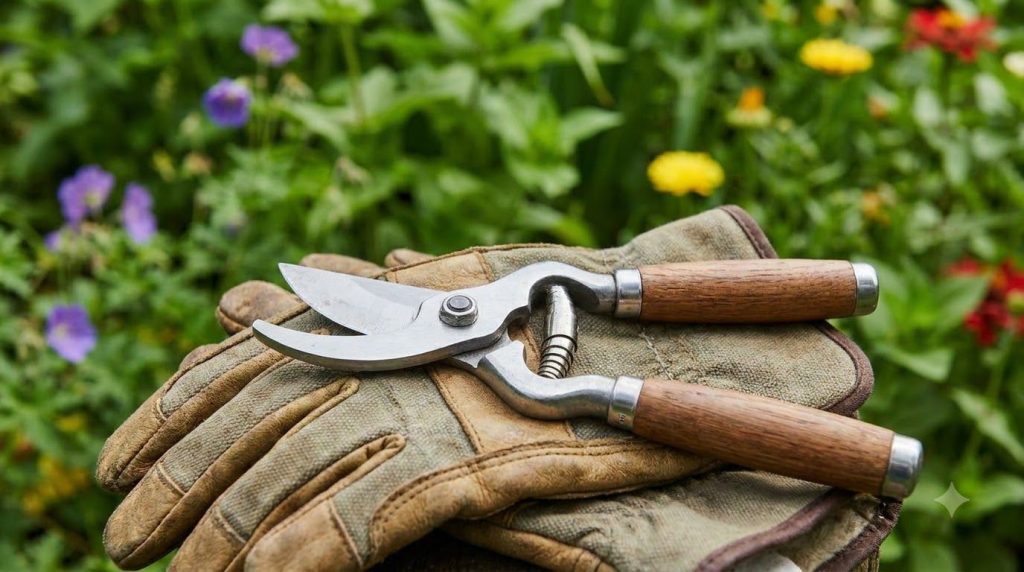
- Sharp Pruning Shears: A clean cut heals faster and is better for the plant.
- Gloves: Protect your hands from thorns, sap, and soil.
- Bucket or Bag: For collecting trimmings.
Always clean your tools before and after use to prevent the spread of plant diseases.
Perennials That Love a July Haircut
While specific needs vary, here are some common perennials that truly benefit from a mid-summer trim:
Daylilies (Hemerocallis)
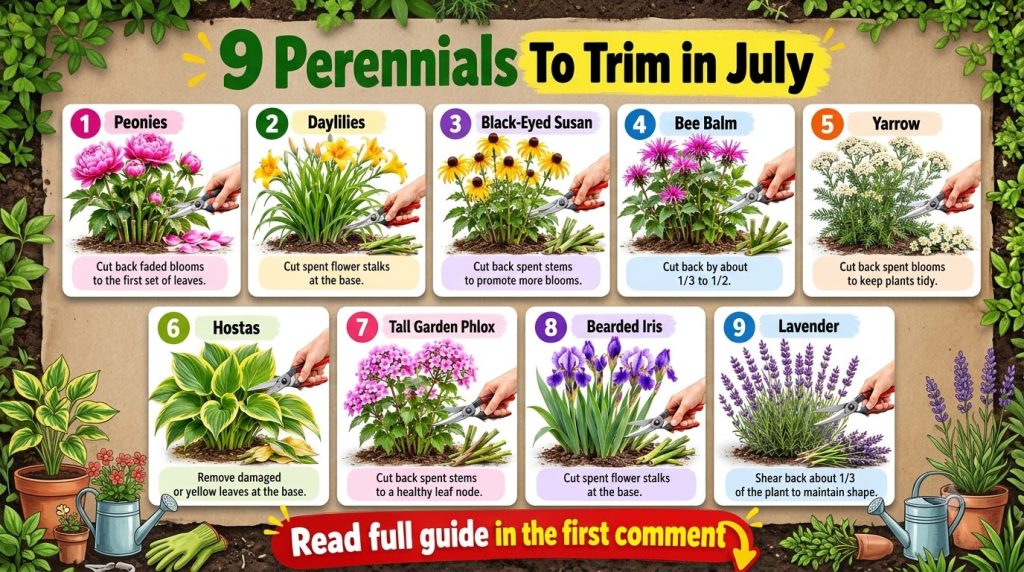
Daylilies produce beautiful blooms that last only a day. Removing the spent flower stalks (deadheading) prevents seed formation and encourages the plant to produce more flowers on new scapes. You can snip off individual spent flowers or cut the entire flower stalk down to the base once all blooms on it are finished.
Black-Eyed Susan (Rudbeckia hirta)
These cheerful yellow flowers are summer staples. Deadhead Black-Eyed Susans by snipping off faded blooms just above a healthy leaf or bud. This will encourage new flowers to form and prolong their vibrant display.
Bee Balm (Monarda)
Bee Balm often has an impressive first flush of flowers. After they fade, cut the spent flower stalks back by about one-third to one-half. This can encourage a second, smaller flush of blooms and keep the plant from becoming too leggy.
Yarrow (Achillea)
Yarrow is known for its flat-topped clusters of flowers. Deadheading faded blooms can promote re-blooming and prevent rampant self-seeding. Cut back the entire spent flower stalk to the ground or to a set of healthy leaves.
Tall Garden Phlox (Phlox paniculata)
To keep Tall Garden Phlox blooming and looking fresh, deadhead spent flower clusters. You can also pinch back the stems of some phlox earlier in the season (June) to delay blooming and create a bushier plant, but July is perfect for removing faded flowers.
Lavender (Lavandula)
After your lavender has finished its first flush of flowers, a light trim is beneficial. Snip off the spent flower stalks and about an inch or two of the leafy growth below. This keeps the plant neat, promotes bushier growth, and can encourage another round of blooms, especially in varieties known for re-blooming.
Hostas
While Hostas are primarily grown for their foliage, they do produce flower stalks. Once these flowers fade, you can cut the entire stalk back to the base of the plant. This redirects the plant’s energy back into its beautiful leaves, keeping them lush and vibrant.
Peonies
Peonies are spring bloomers, but July is when their foliage can start to look a bit tired or develop fungal spots. While you don’t typically prune them for re-bloom, you can remove any yellowing, damaged, or diseased leaves to improve air circulation and plant health. Do not cut back all the foliage until fall, as it’s needed to store energy for next year’s blooms.
Bearded Iris
After their gorgeous spring blooms fade, cut the spent flower stalk down to about an inch above the rhizome. This prevents seed formation and keeps the plant tidy. You can also trim back any yellow or damaged foliage to a fan shape, but leave healthy green leaves to gather energy.
Tips for Successful Trimming
- Timing is Key: While this guide focuses on July, pay attention to individual plant cues. Deadhead when flowers begin to fade, not necessarily on a strict calendar date.
- Cut Above a Node: Always make your cuts just above a leaf node, side shoot, or healthy bud. This encourages new growth in the desired direction.
- Don’t Overdo It: Avoid removing more than one-third of the plant’s total foliage at any one time, especially during hot weather.
- Water After Trimming: Give your plants a good drink of water after trimming, especially if the weather is dry. This helps them recover and encourages new growth.
- Fertilize Sparingly: A light, balanced fertilizer can encourage new blooms after trimming, but avoid over-fertilizing, which can lead to leggy growth.
Giving your perennials a little attention in July will pay off with a more beautiful, healthier, and bloom-filled garden throughout the rest of the summer and into the fall. Happy gardening!