Unlock Your Garden’s Wild Pantry: Discover Edible “Quelites”
Imagine stepping into your backyard and realizing it’s not just a patch of grass and ornamental flowers, but a hidden pantry brimming with nutrient-rich superfoods. What if we told you that some of the “weeds” you might be pulling could actually be culinary treasures? Welcome to the wonderful world of “quelites”!
Quelites are wild edible plants, many of which have been enjoyed for thousands of years in Mexico and other cultures. These resilient greens often grow overlooked, yet they offer incredible flavor and impressive nutritional benefits. It’s time to open our eyes to the bounty nature provides, sometimes right outside our back door!
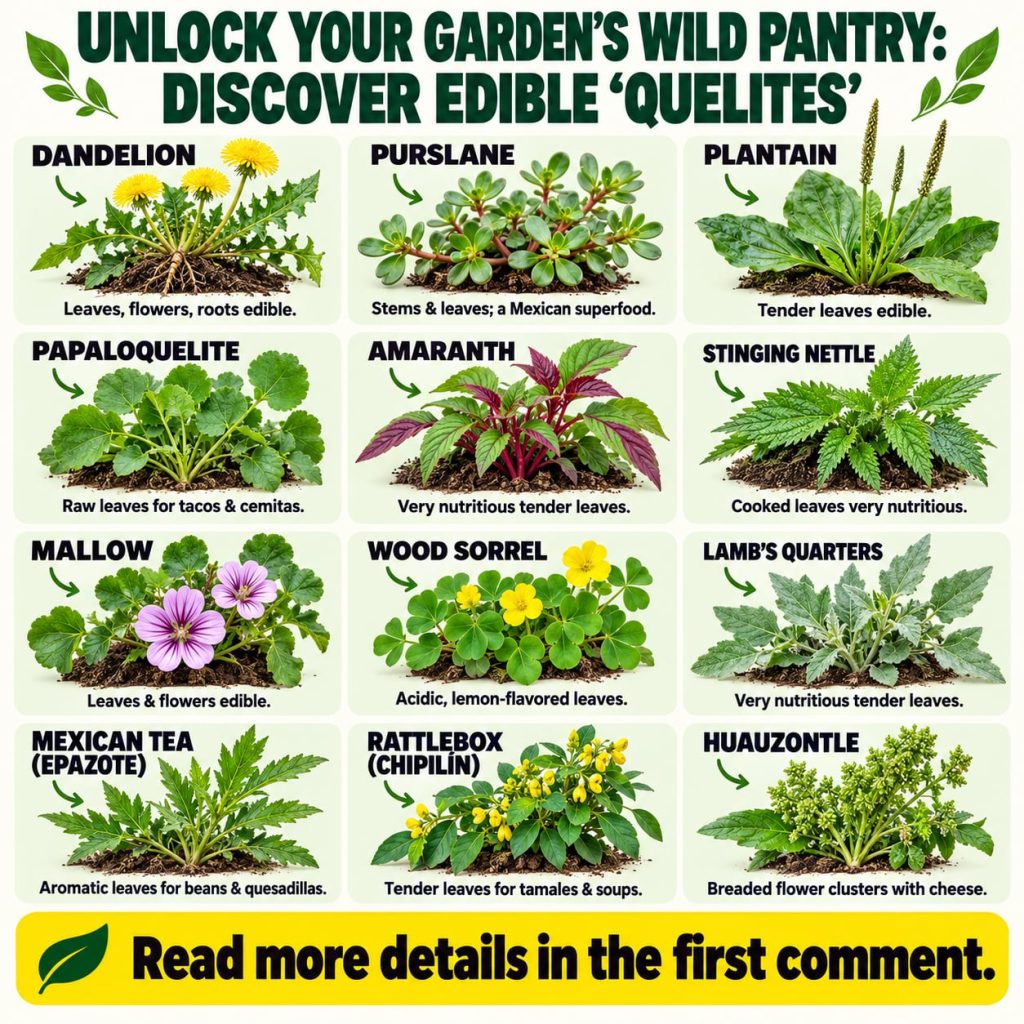
What Exactly Are “Quelites”?
The term “quelites” (pronounced keh-LEE-tes) comes from Nahuatl, an indigenous language of Mexico, and broadly refers to any tender, edible greens or herbs that grow wild or are semi-cultivated. Unlike many common garden vegetables, quelites often boast unique flavors and textures, alongside a powerhouse of vitamins, minerals, and antioxidants.
For centuries, these plants have been a staple in traditional diets, valued not only for sustenance but also for their medicinal properties. They represent a deep connection to the land and a sustainable way of incorporating fresh, healthy ingredients into meals.
Spotlight on a Super-Quelite: Purslane
One of the most famous and widely recognized quelites is purslane (Portulaca oleracea). You might have seen this succulent, low-growing plant with reddish stems and paddle-shaped leaves in your garden or even growing in sidewalk cracks.
But don’t mistake it for just another weed! Purslane is a true nutritional superstar, often touted for its surprisingly high levels of Omega-3 fatty acids – more than many cultivated leafy greens! It’s also packed with vitamins A and C, calcium, magnesium, and iron. Its slightly tangy, lemony flavor makes it a refreshing addition to salads, sandwiches, or even light stir-fries.
Other Common Quelites to Look For
While purslane is a great starting point, the world of quelites is vast. Depending on your region, you might also find:
- Lamb’s Quarters (Chenopodium album): A relative of spinach and quinoa, it has a mild, earthy flavor and can be used in similar ways to spinach.
- Amaranth (Amaranthus spp.): The leaves of various amaranth species are edible and highly nutritious, often used cooked.
- Pigweed (Amaranthus retroflexus): Similar to amaranth, its young leaves are tender and edible.
- Dandelion Greens (Taraxacum officinale): While often considered a nuisance, young dandelion leaves are packed with vitamins and have a pleasantly bitter taste, great for salads or sautéing.
Each of these plants offers its own unique profile of nutrients and flavors, waiting to be discovered and incorporated into your meals.
Safe Foraging: Essential Tips Before You Harvest
While the idea of foraging for quelites is exciting, safety is paramount. Not all wild plants are edible, and some can be toxic. Always follow these guidelines:
- Positive Identification is Key: Never consume a plant unless you are 100% certain of its identity. Use reliable field guides or consult with an experienced local forager. “When in doubt, throw it out” is a golden rule.
- Know Your Location: Only forage in areas free from pesticides, herbicides, and pollutants. Avoid roadsides, industrial areas, or lawns that have been treated with chemicals.
- Harvest Responsibly: Take only what you need, and leave plenty for wildlife and for the plant to regenerate. This ensures a sustainable harvest for future enjoyment.
- Wash Thoroughly: Always wash your harvested quelites thoroughly to remove dirt, insects, or any contaminants.
If you’re new to foraging, start with readily identifiable plants like purslane and consider joining a local foraging group or taking a workshop.
Bringing Quelites to Your Table
Once you’ve safely identified and harvested your quelites, the culinary possibilities are endless!
- Fresh in Salads: Young, tender quelites like purslane and dandelion greens are fantastic raw in salads, adding a unique texture and flavor.
- Sautéed or Steamed: Many quelites, such as lamb’s quarters and amaranth leaves, can be lightly sautéed with garlic and olive oil, or steamed as a healthy side dish.
- In Soups and Stews: Add them to your favorite broths for an extra nutritional boost and earthy flavor.
- Tacos and Quesadillas: Traditionally, quelites are often used in Mexican dishes, folded into tortillas with cheese or other fillings.
Embracing quelites is more than just finding free food; it’s about reconnecting with nature, appreciating the diversity of edible plants, and adding incredibly nutritious and flavorful ingredients to your diet. So next time you’re in your garden, take a closer look – you might just discover a wild pantry waiting to be unlocked!