When the sun dips below the horizon, most gardens quiet down, but yours doesn’t have to! Imagine a garden that awakens with the moonlight, filling the air with enchanting fragrances and providing a vital haven for creatures of the night. Creating a night garden, often called a ‘moon garden,’ offers a unique sensory experience and plays a crucial role in supporting nocturnal pollinators.
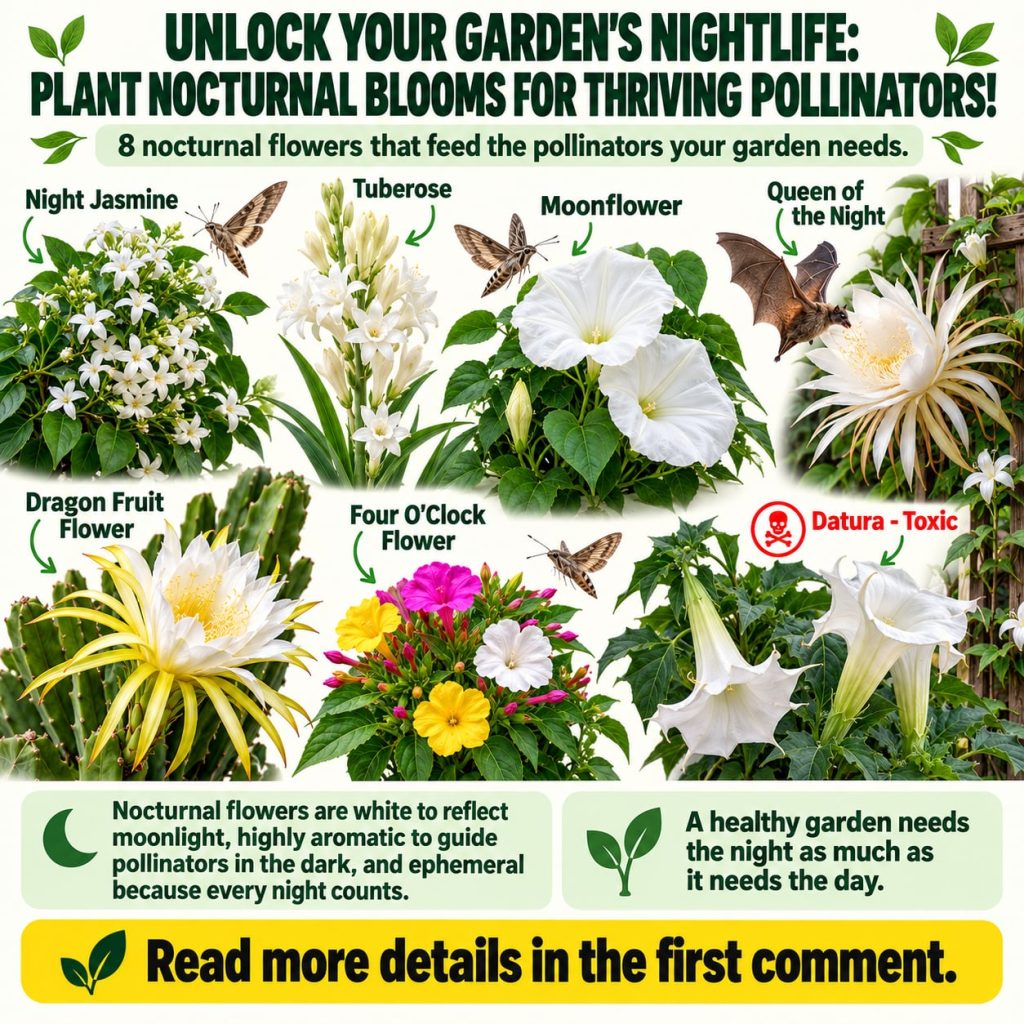
Why Create a Night Garden?
While daylight gardens buzz with bees and butterflies, the nocturnal world has its own set of busy helpers. Moths, bats, and other night-flying insects are essential pollinators, often overlooked in garden planning. Many of these creatures are attracted to specific flowers that open and release their fragrance only after dark. By planting nocturnal blooms, you:
- Support Vital Pollinators: Provide food and habitat for moths, bats, and other nocturnal insects crucial for ecosystem health.
- Enjoy Unique Beauty: Witness flowers that are often pale or white, designed to reflect moonlight and stand out in the darkness.
- Experience Evening Fragrance: Many night-blooming flowers release their most potent and intoxicating scents after dusk, transforming your garden into a fragrant oasis.
- Extend Garden Enjoyment: Your garden becomes a magical place to relax and observe nature even after the sun has set.
Choosing Your Nocturnal Blooms
Selecting the right plants is key to a successful night garden. Look for flowers that are typically white, pale yellow, or light pink, as these colors are most visible under moonlight. Here are some fantastic options:
Night Blooming Jasmine (Cestrum nocturnum)
Known for its incredibly powerful and sweet fragrance, Night Blooming Jasmine is a star in any moon garden. Its small, greenish-white tubular flowers may not be showy during the day, but come nightfall, they unleash an intoxicating perfume that can fill an entire yard. Plant it near a patio or window to fully appreciate its evening allure.
Moonflower (Ipomoea alba)
A true marvel, the Moonflower boasts large, pure white, trumpet-shaped blooms that unfurl dramatically as dusk settles. These stunning flowers can reach up to 6 inches in diameter and offer a light, sweet scent. As a fast-growing vine, it’s perfect for trellises, fences, or arbors, creating a spectacular nighttime display.
Evening Primrose (Oenothera biennis)
With its cheerful yellow or white cup-shaped flowers, Evening Primrose is a resilient choice. It opens at dusk and often stays open through the morning, providing a beautiful glow and attracting night pollinators with its subtle fragrance. It’s relatively low-maintenance and can naturalize well in a garden.
Nicotiana (Flowering Tobacco)
Many varieties of Nicotiana, especially Nicotiana alata, produce elegant white or pale green trumpet-shaped flowers that release a rich, honeysuckle-like scent at night. They can grow quite tall, adding vertical interest to your moon garden.
Attracting Nighttime Pollinators
To truly support your nocturnal friends, consider a few additional elements:
- Provide Water Sources: A shallow bird bath or a small pond can attract bats and moths, offering a place to drink.
- Avoid Pesticides: Chemical pesticides can harm nocturnal pollinators, so opt for organic gardening practices to keep your garden healthy and safe.
- Consider Bat Houses: If bats are present in your area, a bat house can encourage them to take up residence, providing natural pest control and pollination services.
Designing Your Magical Moon Garden
When planning your night garden, think about how it will appear and feel after dark:
- Location: Choose a spot visible from a window, patio, or seating area where you can enjoy the evening show.
- Color Palette: Focus on white, silver, and pale-colored flowers and foliage (like Lamb’s Ear or Dusty Miller) that reflect moonlight.
- Fragrance: Group highly fragrant plants together to create pockets of rich aroma.
- Hardscaping: Incorporate light-colored paths or stepping stones to guide the eye and add functionality.
- Subtle Lighting: Use soft, low-voltage path lights or solar lights to highlight key features without overpowering the moonlight. Avoid bright, harsh lights that can deter nocturnal creatures.
Care Tips for Your Night Garden
Maintaining a night garden is similar to caring for any other garden, but with a few considerations:
- Watering: Most plants prefer consistent moisture. Check soil regularly, especially during dry spells.
- Soil Quality: Ensure your soil is rich in organic matter and well-draining.
- Sunlight Needs: While these flowers bloom at night, many still require full to partial sun during the day to thrive. Check individual plant requirements.
- Pruning: Deadhead spent blooms to encourage new growth and more flowers.
Embrace the Night in Your Garden
Transforming a section of your yard into a moon garden is a rewarding project that offers beauty, fragrance, and ecological benefits. It’s an invitation to slow down, observe the subtle magic of the night, and appreciate the hidden life that thrives when the world goes to sleep. So, next time you’re planning your garden, think beyond daylight and unlock the enchanting nightlife of your very own moon garden!