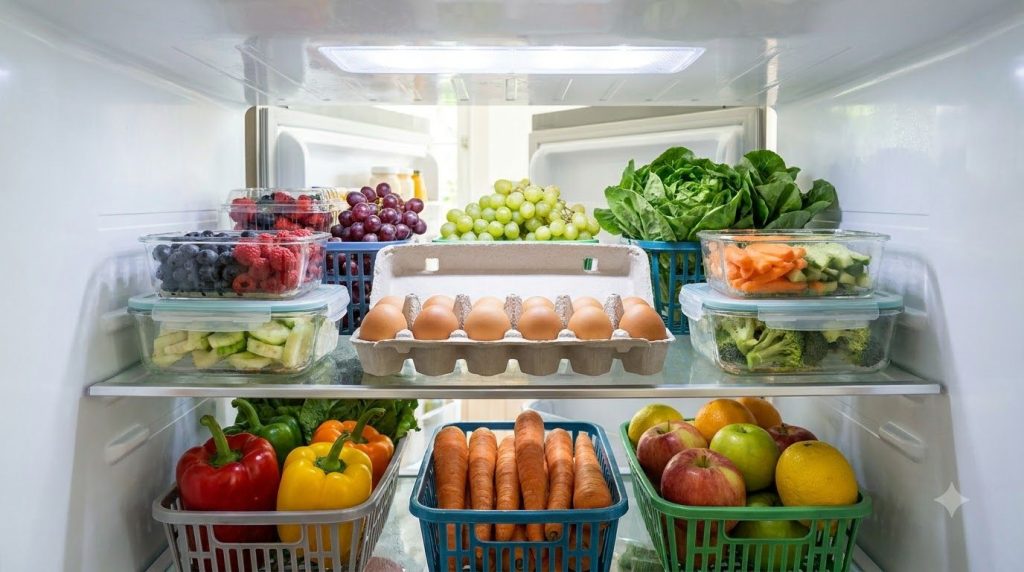
Ever found yourself staring at a carton of eggs, wondering if they’re still fresh enough to eat? It’s a common dilemma in many kitchens, and thankfully, there’s a simple, reliable trick to put your mind at ease: the egg float test! This age-old method is not only quick and easy but also a fantastic way to prevent food waste and keep your meals safe.
In this guide, you’ll learn everything you need to know about the egg float test, including the science behind it, how to perform it correctly, and what the results mean for your next meal. Get ready to become an egg freshness expert!
What is the Egg Float Test?
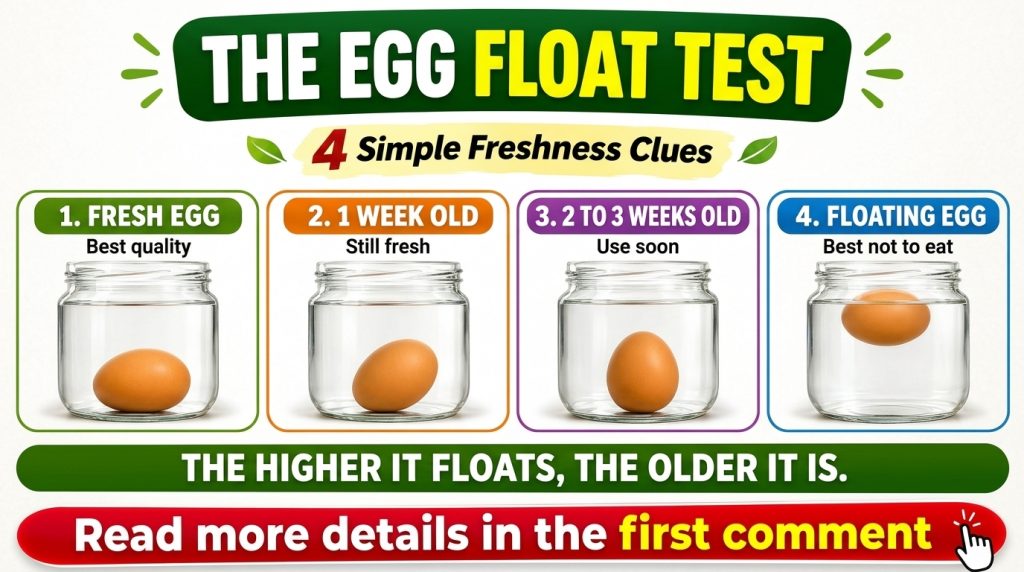
The egg float test is a straightforward method for determining the freshness of an egg by observing how it behaves when submerged in water. It relies on a simple principle: as an egg ages, its internal structure changes, particularly the air cell within it.
How Does It Work? The Science Behind the Float
An eggshell is surprisingly porous. Over time, tiny amounts of air and moisture are exchanged through these pores. When an egg is laid, it has a very small air cell. As the egg ages, moisture evaporates from inside the egg through the shell, and air enters to take its place. This causes the air cell to grow larger.
The larger the air cell, the more buoyant the egg becomes. A very fresh egg has a small air cell, making it dense enough to sink and lie flat on its side. An older egg, with a larger air cell, will begin to stand upright or even float.
Performing the Egg Float Test: A Step-by-Step Guide
Testing your eggs couldn’t be simpler. You only need two things: your eggs and a bowl of water.
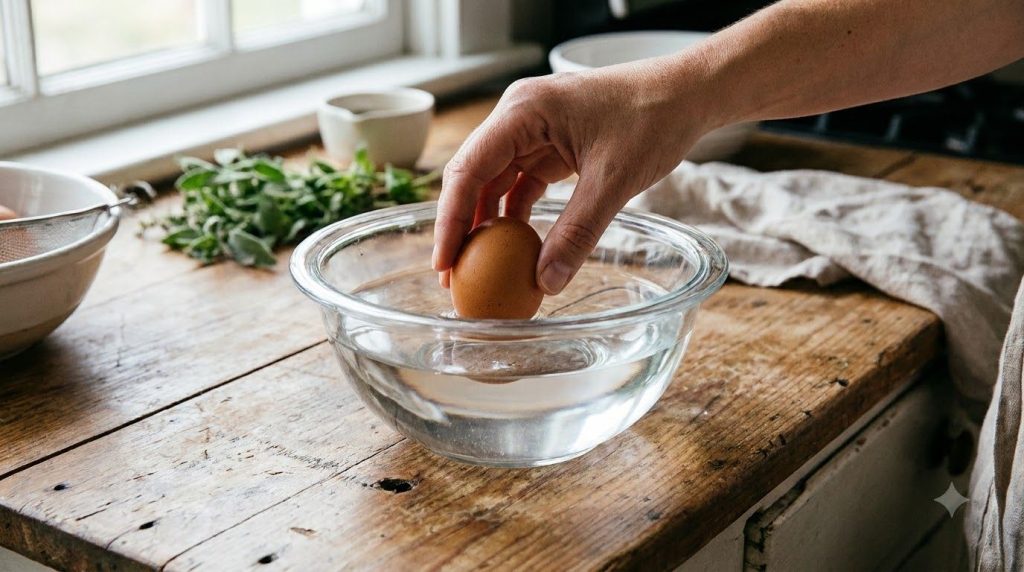
- Grab a Bowl: Fill a deep bowl or glass with enough cold water to fully submerge an egg.
- Gently Place the Egg: Carefully place one egg at a time into the water. Avoid dropping it, as this could crack the shell or give you inaccurate results due to agitation.
- Observe the Results: Watch how the egg settles in the water.
Interpreting the Results: What Your Egg is Telling You
The position of your egg in the water reveals its freshness:
- Sinks to the Bottom and Lies Flat: Congratulations! This egg is very fresh. Its air cell is minimal, making it dense and happy to stay grounded. These eggs are perfect for any recipe.
- Sinks to the Bottom but Stands Upright: This egg is a few weeks old, but still perfectly good to eat. Its air cell has grown a bit, causing the wider end to rise. It’s best to use these eggs soon. They are ideal for hard-boiling, as the slightly larger air cell makes them easier to peel.
- Floats to the Surface: Unfortunately, this egg is no longer fresh and should be discarded. The air cell is quite large, indicating that a significant amount of air has entered the egg. While it might not always be spoiled, it’s a good indicator to avoid it.
Practical Tips for Egg Freshness and Storage
Beyond the float test, here are a few more tips to keep your eggs at their best and ensure safe consumption:
Proper Storage is Key
- Refrigerate: Always store eggs in their original carton in the coldest part of your refrigerator, not in the door. The carton protects them from absorbing odors and helps maintain consistent temperature.
- Pointy End Down: Store eggs with the pointy end down. This keeps the yolk centered and the air cell at the top, which helps keep the yolk suspended and prolongs freshness.
- Use Within Date: While the float test is great, always pay attention to the ‘best by’ or ‘sell by’ date on the carton as a primary guide.
Other Freshness Checks
- Smell Test: A spoiled egg will emit a distinct, unpleasant sulfurous odor (like rotten eggs!). Don’t hesitate to toss it if it smells off.
- Visual Inspection: Check for any cracks or sliminess on the shell. If you crack the egg into a bowl, look for a firm, raised yolk and thick, clear egg white. A flat yolk or watery egg white can indicate an older egg.