Fresh Lemon Juice Toner for Brighter Skin at Home
A lemon juice toner is one of the simplest home beauty remedies you can make. Freshly squeezed lemon juice, diluted with water, is traditionally used to help skin look more even, fresh, and radiant. This guide walks you through the recipe, the method, how to use it safely, and how to buy the right ingredients.
Quick Recipe
Prep time: About 5 minutes
Best for: Dull-looking skin and an uneven-looking complexion
Use type: Diluted toner
Main ingredients:
- Fresh lemon juice
- Cool filtered or distilled water
- Optional pure aloe vera gel
Ingredients
- 1 tablespoon fresh lemon juice (about half a small lemon, strained)
- 3 tablespoons cool filtered or distilled water
- 1 teaspoon pure aloe vera gel (optional, for a softer feel)
- A clean glass bottle with a tight lid, about 60 ml
- A cotton pad or soft cloth
How to Make It
- Wash the lemon and dry it. Roll it firmly on the counter for a few seconds to loosen the juice.
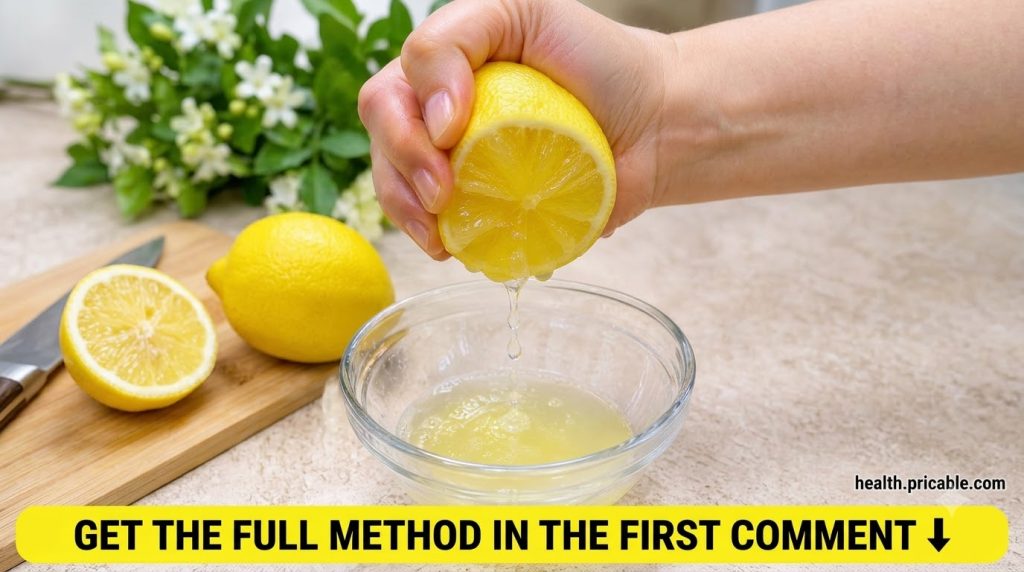
- Cut the lemon in half and squeeze out the juice. Strain it through a small mesh sieve to remove seeds and pulp.
- Measure 1 tablespoon of fresh juice and pour it into a clean glass bottle.
- Add 3 tablespoons of cool water. If using aloe vera gel, stir it in until smooth.
- Close the lid tightly and shake well. Label the bottle with the date.
- Store the toner in the refrigerator and use it within 3 days. Discard it if the smell or color changes.
How to Use It
- Cleanse your face with a gentle cleanser and pat it dry.
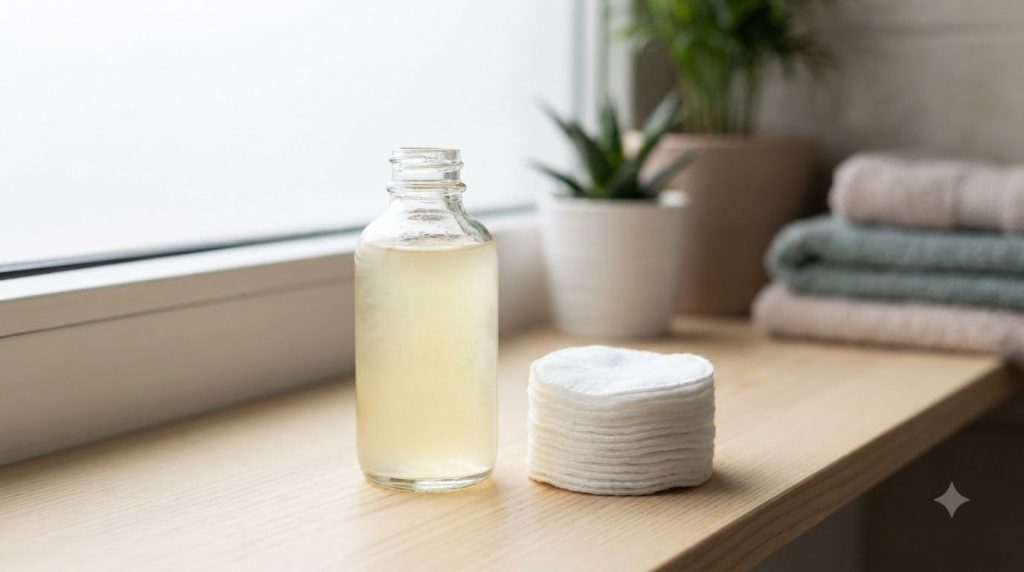
- Soak a cotton pad with the toner. Squeeze out any excess so it is damp, not dripping.
- Gently wipe over your face and neck. Avoid the eyes, lips, and any cuts or irritated areas.
- Let the skin air dry for about one minute, then apply your usual moisturizer.
- Use sunscreen the next morning, because citrus can make skin more sensitive to sunlight.

How Often to Use It
Start with two or three evenings a week. If your skin feels comfortable after two weeks, you can use it once a day in the evening. Do not use it more than once a day, and stop using it if your skin feels sore, stings for more than a few seconds, or looks red.
How to Buy the Right Ingredients
- Lemons: Choose lemons that feel heavy for their size, have bright yellow skin, and have no soft spots or mold. Thin-skinned varieties usually yield more juice. Buy a few extra in case you need to make a fresh batch.
- Lemon juice: Freshly squeezed juice is the best choice for this recipe. If you buy bottled juice, look for 100 percent lemon juice with no added sugar or flavorings, and keep it refrigerated after opening. Bottled juice can taste and behave differently from fresh juice, so use it only as a backup.
- Aloe vera gel: If you add aloe, choose a pure gel with a short ingredient list. Look for a product labeled 100 percent aloe vera, and avoid gels with added fragrance or alcohol if your skin is sensitive.
- Bottles: A small glass bottle with a tight lid is ideal. Amber or dark glass helps protect the mixture from light. You can find them at pharmacies, beauty supply stores, kitchen shops, or online marketplaces. Check reviews and product sizes before you buy.
- Where to shop: Grocery stores and local markets are usually the easiest places to buy fresh lemons and aloe. Pharmacies and beauty stores often carry small toner bottles and cotton pads.
Why These Ingredients Are Used
Lemon Juice
Lemon juice is naturally rich in citric acid and vitamin C. In home beauty routines, it is traditionally used to help skin look brighter and feel fresh. Its acidity is the reason it must be diluted.
Cool Water
Water dilutes the lemon juice so the toner feels gentler on the skin. Using filtered or distilled water helps keep the mixture clean and consistent.
Aloe Vera Gel
Aloe vera gel is a popular soothing ingredient. Adding a small amount can help the toner feel softer and more comfortable, especially if your skin tends to feel tight after toning.
What Results to Expect
This toner may help your skin look more even and refreshed over several weeks of consistent, gentle use. Many people notice a fresher-looking complexion and a lighter feel on the skin. Results vary based on skin type, routine, and sun exposure, so think of this as a simple supporting step rather than a quick fix.
Safety Notes
- Patch test first for topical remedies. Apply a small amount to the inner arm or behind the ear and wait 24 hours.
- Use gently and never scrub the skin with lemon juice.
- Avoid irritated, sunburned, cracked, or broken skin.
- Keep the toner away from the eyes, lips, and mucous membranes.
- Lemon juice can increase sun sensitivity. Use sunscreen daily and avoid applying the toner before sun exposure.
- Stop using it if discomfort, redness, burning, or itching occurs.
- Keep the bottle refrigerated, labeled, and out of reach of children.
- If you have a skin condition such as eczema, rosacea, or acne treatment side effects, ask a dermatologist before trying this remedy.
FAQ
Can I leave lemon juice toner on overnight?
It is better to rinse or let it air dry and then apply moisturizer. Leaving acidic toner on for long periods can irritate sensitive skin.
Can I use this toner on my body?
You can try it on small areas such as the neck or elbows, but always patch test first. Avoid using it on areas that will be exposed to sunlight soon after application.
Why does my toner tingle a little?
A light tingling sensation can be normal with diluted citrus. If it burns, stings for a long time, or causes redness, rinse with water and stop using it.
Final Thoughts
A simple lemon juice toner is an easy addition to a home beauty routine when it is diluted, used gently, and paired with sunscreen. Start slowly, track how your skin responds, and keep your recipe fresh. If you enjoyed this recipe, save this page and explore more practical DIY beauty guides on our website.