Which high-fiber food do you love most? Fiber is one of those nutrients that quietly does a lot of good work. It helps keep your digestion regular and can leave you feeling full for longer after meals.
The good news is that fiber is easy to find. Berries, legumes, whole grains, vegetables, and even some pasta are all great sources. Mixing several of them into your week makes meals more interesting and helps you cover more of your needs.
Why Fiber Matters
Fiber is a type of carbohydrate that your body cannot fully digest. Instead, it passes through your digestive system and supports the process in several ways.
- It supports regular bowel movements.
- It can help you feel satisfied between meals.
- It helps feed the friendly bacteria in your gut.
- It is linked with heart-healthy eating patterns.
Everyday High-Fiber Foods
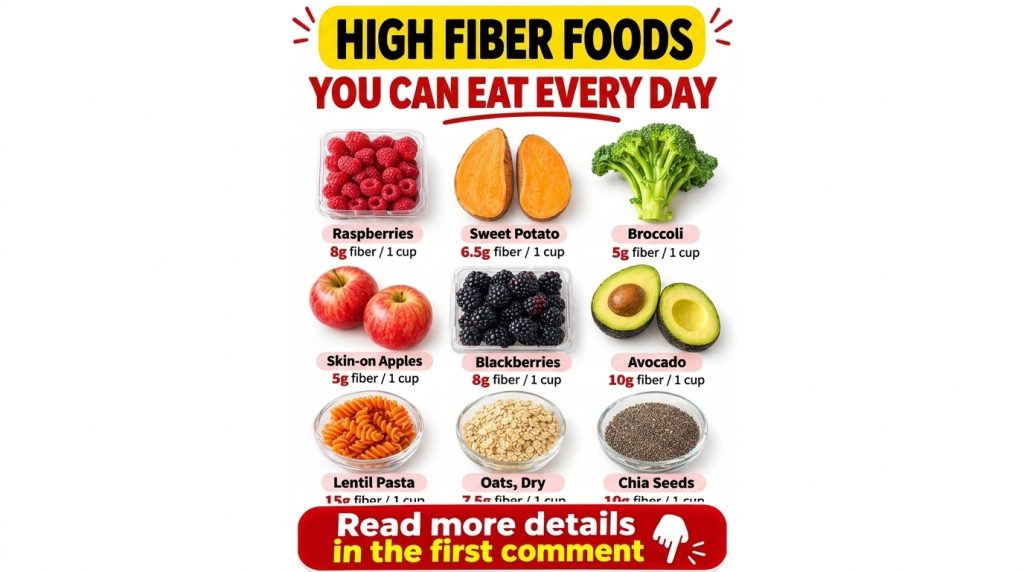
Here are some common foods that bring a good amount of fiber to the table. Values are approximate and can vary by brand, ripeness, and preparation.
| Food | Serving | Approx. Fiber | Best Benefit |
|---|---|---|---|
| Raspberries | 1 cup | About 8 g | Sweet snack with antioxidants |
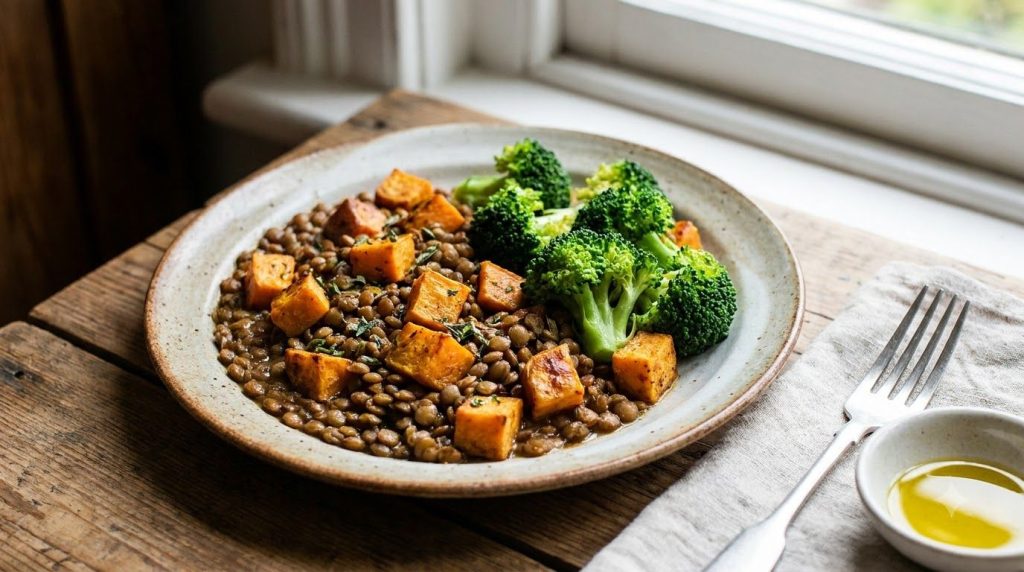
| Lentils, cooked | 1 cup | About 15 g | Filling plant protein |
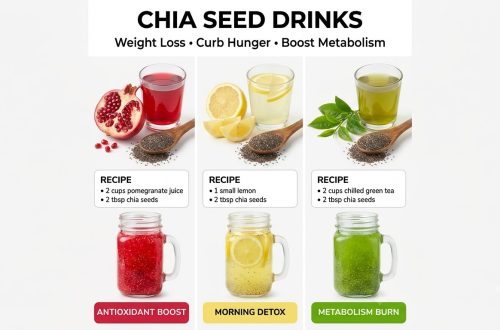
| Chia seeds | 1 ounce | About 10 g | Easy to add to yogurt or oats |
| Black beans, cooked | 1 cup | About 15 g | Budget-friendly staple |
| Oats, cooked | 1 cup | About 4 g | Warm, comforting breakfast |
| Broccoli, cooked | 1 cup | About 5 g | Rich in vitamin C |
| Avocado | Half fruit | About 5 g | Healthy fats and creaminess |
| Sweet potato, baked | 1 medium | About 4 g | Naturally sweet side dish |
Easy Ways to Eat More Fiber
- Start your day with oats topped with berries.
- Stir a spoonful of chia seeds into yogurt or smoothies.
- Swap half the pasta for lentil pasta.
- Keep the skins on apples and potatoes when it is safe to do so.
- Add a side of roasted vegetables to lunch or dinner.
Practical Tips for Building Fiber Into Your Day
- Increase fiber slowly over a few weeks to reduce gas and bloating.
- Drink enough water, since fluids help fiber move smoothly through your system.
- Choose whole grains like oats, brown rice, and whole wheat bread when possible.
- Aim for a variety of colors on your plate each day.
- Keep canned beans and frozen berries on hand for quick meals.
Frequently Asked Questions
How much fiber do adults need?
Many health organizations suggest about 25 to 38 grams per day, depending on age and sex. Your needs may differ, so check with a healthcare professional.
Can fiber help with feeling full?
Yes. High-fiber foods often take longer to chew and digest, which can help you feel satisfied for longer.
Is it better to get fiber from food or supplements?
Whole foods are generally the best source because they also provide vitamins, minerals, and other helpful compounds.
Why do I feel bloated when I eat more fiber?
Your gut may need time to adjust. Add fiber gradually and drink plenty of fluids to make the change more comfortable.
Are berries a good source of fiber?
Yes. Raspberries and blackberries are among the higher-fiber fruits, making them a tasty way to add fiber.
Can kids eat high-fiber foods too?
Yes. Oats, berries, beans, and soft cooked vegetables are often good choices for children, though portion sizes should fit their age.
Conclusion
Fiber is a simple, affordable way to support digestion and keep meals satisfying. Start with one or two changes this week, such as adding berries to breakfast or swapping in lentil pasta. Explore more of our healthy food guides to find new ideas you will enjoy.
This content is for educational purposes only and should not be considered medical advice. Consult a qualified healthcare professional for personalized dietary recommendations.