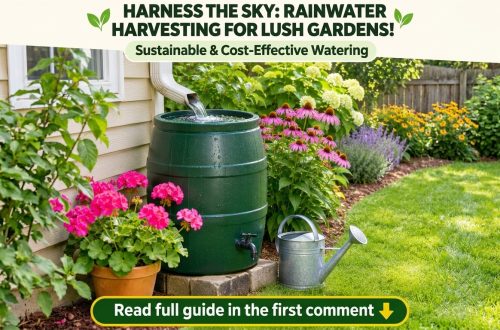
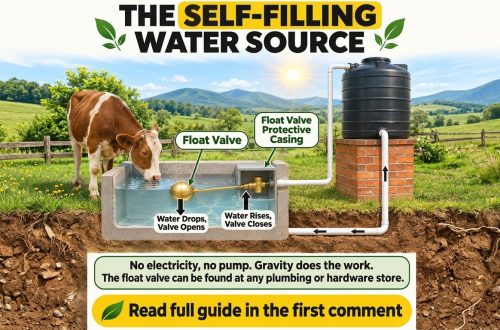
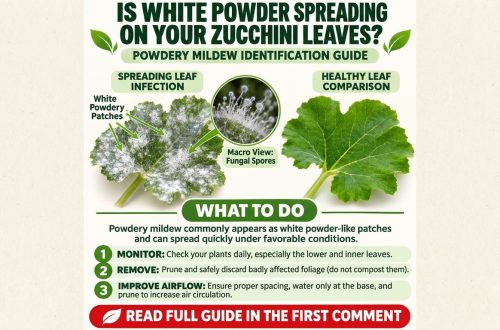
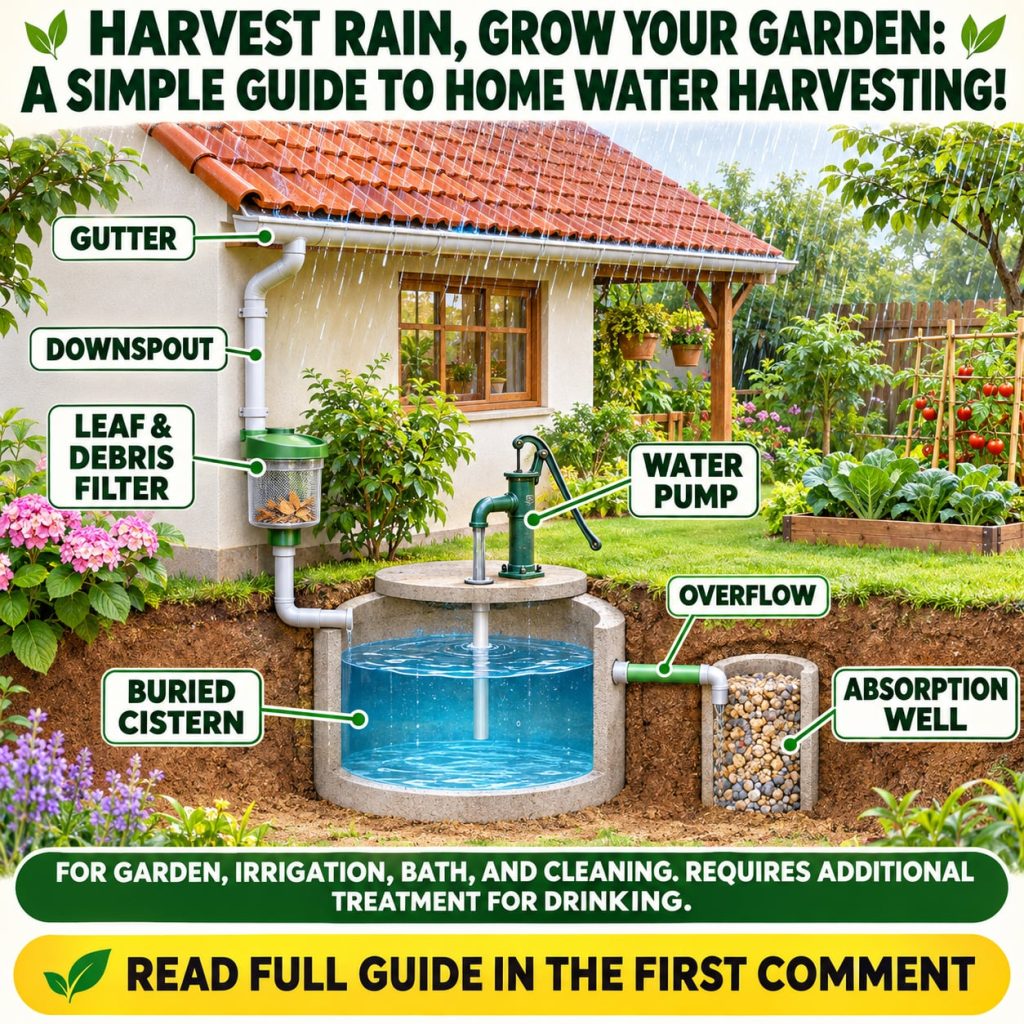
Rain is one of the most valuable free resources in any garden. With a simple rainwater harvesting setup, you can collect water from your roof, store it safely, and use it to keep your plants healthy while reducing your water bills. This guide walks you through the basics so you can start a sustainable irrigation system at home.
Why Harvest Rainwater for Your Garden?
Rainwater is naturally soft and free of the chlorine and minerals found in many tap supplies, which makes it appealing for many plants. Collecting it also eases pressure on municipal water during dry spells and helps reduce runoff that can carry soil and debris away from your beds.
- Lower water bills during the growing season
- Gentle, natural water that most garden plants enjoy
- Less runoff from roofs and driveways
- A more self-reliant, greener lifestyle
What You Need to Get Started
You do not need complicated equipment to begin. A basic setup usually includes the following items:
- A food-grade or rainwater-rated barrel with a lid
- A downspout diverter or a simple filter screen to keep leaves and insects out
- A tap near the base for easy filling of watering cans
- A stable platform or cinder blocks to raise the barrel slightly for water pressure
Step-by-Step: Setting Up Your Rain Barrel
Choose a location near a downspout and close to the plants you water most often. Level the ground or platform, then cut the downspout and fit a diverter so rain flows into the barrel. Add a mesh screen at the top of the barrel to block debris, and check that the lid fits snugly to limit mosquitoes. Finally, install a spigot near the bottom and test the system with a light rain.
Best Ways to Use Harvested Rainwater
Rainwater works well for watering vegetables, flowers, lawns, container plants, and indoor plants that are sensitive to tap water. Use a watering can or a soaker hose to deliver water directly to the soil, which reduces evaporation and keeps leaves dry. Water in the early morning or evening for the best results.
Tips for Keeping Your System Clean and Safe
Clean gutters regularly, empty the barrel before winter in colder regions, and scrub the inside occasionally. Use harvested water for plants and general outdoor cleaning rather than drinking, unless your system has been designed and tested for potable use by a qualified professional.
Start Small and Grow Your System
You can begin with a single barrel and expand later by linking several barrels together or adding a larger tank. Each step helps your garden become more resilient, more beautiful, and more sustainable. Start your rainwater harvesting project this season and enjoy the satisfaction of growing with nature’s own water!