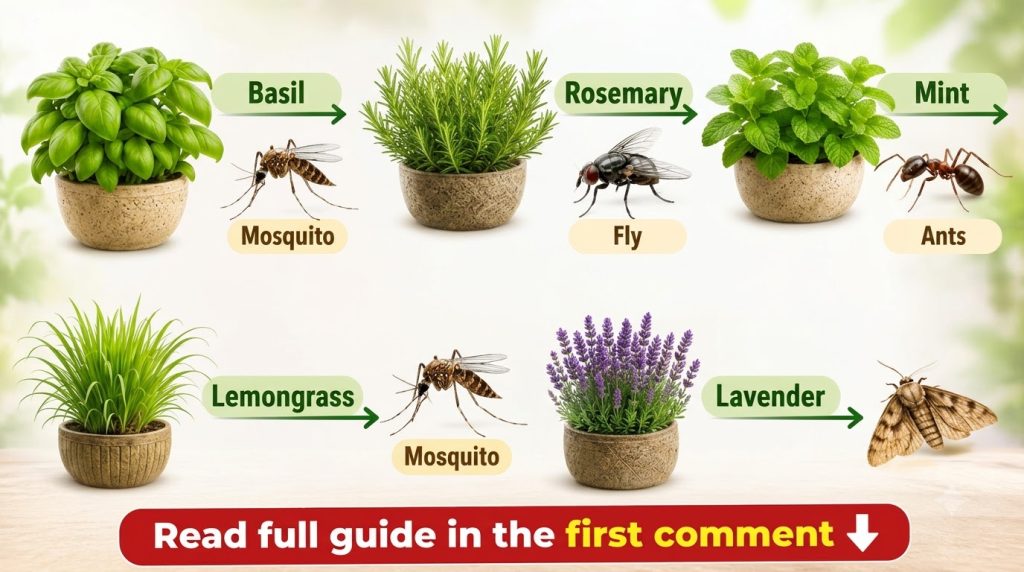
Pests can turn a healthy garden into a frustrating project within a few days. The good news is that many popular culinary herbs are easy to grow, smell wonderful, and may help discourage some unwanted insects when they are planted thoughtfully. This guide explores five favorite herbs and how they can fit into a natural, organic approach to pest management.
Why Herbs Can Be Helpful in the Garden
Many herbs produce aromatic oils that some insects find unpleasant. These natural scents are one reason gardeners often plant herbs near vegetables and flowers. While herbs are not a guaranteed solution, they can be a useful part of a balanced garden that also includes healthy soil, consistent watering, and regular checks for pests on your plants.
Five Herbs to Consider
Basil
Basil is a warm-loving annual that grows well in sunny spots and containers. Its strong fragrance is popular with gardeners who want to add herbs near tomatoes and peppers. Pinch off flowers regularly to keep the plant producing tender leaves for cooking.
Rosemary
Rosemary is a hardy, woody herb that thrives in full sun and well-drained soil. Its resinous scent makes it a favorite for gardeners looking for a long-lived, low-maintenance plant. Keep it in a pot if your winters are cold, and bring it indoors when temperatures drop.
Mint
Mint is extremely vigorous and spreads quickly through the soil. For this reason, it is best grown in a container placed near your vegetable beds rather than planted directly in the ground. Mint prefers partial shade and consistent moisture.
Lemongrass
Lemongrass loves heat and humidity, so it is most at home in warm climates or as a seasonal container plant in cooler regions. Its citrus scent is refreshing for people and is often associated with natural outdoor living spaces.
Lavender
Lavender is a beautiful flowering herb that attracts pollinators while adding a calming fragrance to the garden. It prefers sunny, dry conditions and sandy or gritty soil. Avoid overwatering, as soggy roots are a common cause of lavender decline.
Tips for Using Herbs Alongside Your Plants
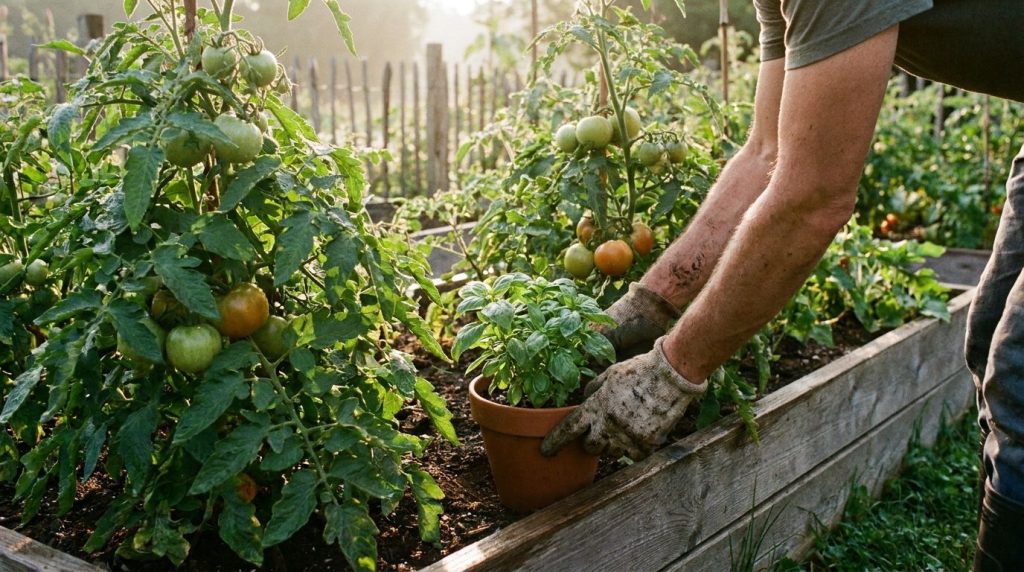
- Place pots of aromatic herbs at the edges of vegetable beds or near entryways where you spend time outdoors.
- Group herbs with similar light and water needs so each plant stays healthy.
- Combine herbs with companion flowers such as marigolds or calendula to add color and extra habitat diversity.
- Check the undersides of leaves weekly so you can catch pest problems early and respond calmly.
- Rotate container positions occasionally to keep growth even and make it easier to spot unusual activity.
Keep Your Expectations Realistic
Natural methods work best as part of an integrated routine rather than a single fix. Healthy plants are more resilient, so focus on good soil, proper spacing for airflow, and watering at the base of plants. If an infestation grows, manual removal, water sprays, or other gentle, targeted methods may be more effective than relying on herbs alone.
Final Thoughts
Growing aromatic herbs is a simple, enjoyable way to add beauty, fragrance, and a little natural support to your garden. Start with one or two favorites, observe how your plants respond, and expand your collection over time. Share your own herb combinations and garden experiences with fellow gardeners in the comments.