
Meta description: Learn how raw, soft-boiled, medium and hard-boiled eggs compare in texture, digestibility and nutrition, plus easy tips for cooking eggs at home.
Which egg style do you reach for most often? Some people love a runny yolk on toast, while others prefer a firm boiled egg tucked into a lunch box. Eggs are one of the most versatile foods in the kitchen, and the way you cook them can change how they feel, taste and digest.
In this guide, you will learn how four common preparations compare, why cooking matters for food safety, and how to choose the style that fits your routine. This content is for educational purposes only and should not be considered medical advice. Consult a qualified healthcare professional for personalized dietary recommendations.
Why the Way You Cook Eggs Matters
An egg has roughly 70 to 80 calories and about 6 grams of protein, along with vitamins and minerals such as choline and vitamin B12. Cooking does not change the basic nutrition much when no extra fat is added. However, heat does change texture, digestibility and food safety.
Research suggests that cooked egg protein is generally easier for the body to digest than raw egg protein. Cooking also destroys bacteria such as Salmonella, which can occasionally be found in raw eggs.
Comparing the Four Egg Styles
| Style | Yolk Texture | White Texture | Digestibility | Best For |
|---|---|---|---|---|
| Raw | Liquid | Liquid | Lower than cooked eggs | Not recommended due to food safety risks |
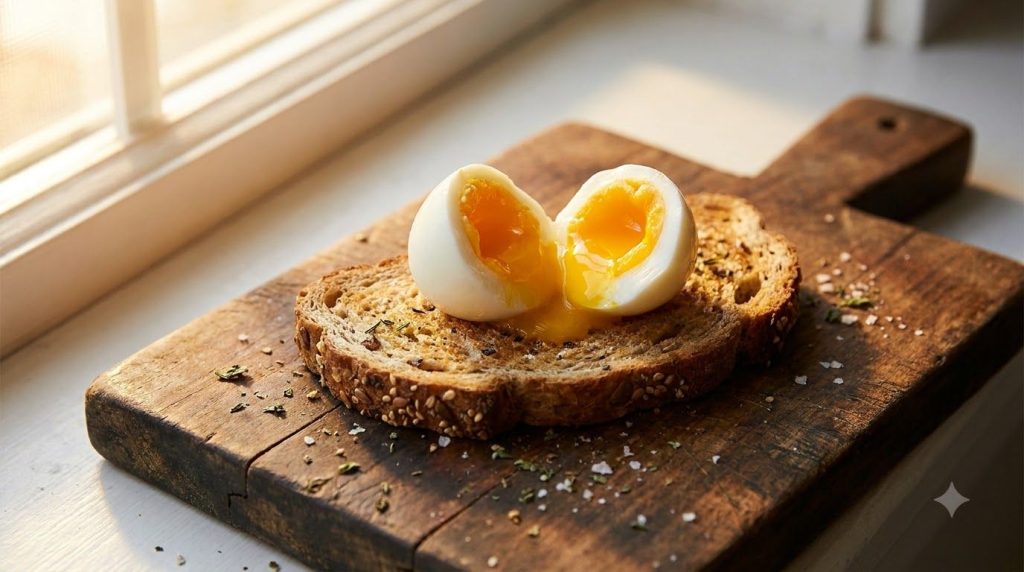
| Soft-boiled | Runny | Set | Easier than raw | Toast, salads, ramen |
| Medium-cooked | Jammy and soft | Fully set | Easy to digest | Grain bowls, avocado toast |
| Hard-boiled or fried | Firm | Firm | Easy to digest | Meal prep, snacks, sandwiches |
Raw Eggs
- Often used in homemade sauces or dressings.
- Carry a higher risk of foodborne illness.
- Pregnant people, older adults, young children and anyone with a weakened immune system should avoid them.
Soft-Boiled Eggs
- Have a runny yolk and a set white.
- Offer a rich flavor with a gentler texture than raw eggs.
- Cooking the white fully helps reduce food safety concerns.
Medium-Cooked Eggs
- Have a jammy yolk that is soft but not liquid.
- Balance texture and food safety well for most home cooks.
Hard-Boiled and Fried Eggs
- Have fully cooked yolks and whites.
- Store well for meal prep and grab-and-go snacks.
- Fried eggs stay healthier when cooked with a small amount of oil instead of lots of butter.
Best Ways to Enjoy Eggs Healthfully
- Start with a small pot of water and gently lower in room-temperature eggs.
- Set a timer based on your preferred yolk texture, then move the eggs to ice water.
- Pair eggs with vegetables, whole grains or beans for a more filling meal.
- Use minimal added fat when frying or scrambling.
Who Should Choose Fully Cooked Eggs
Fully cooked eggs are a practical choice for children, older adults, pregnant people and anyone with a weakened immune system. Many people also find hard-boiled eggs easier to fit into busy schedules because they keep well in the refrigerator.
Practical Tips for Cooking Eggs at Home
- Store eggs in the refrigerator and use them within a few weeks.
- Cool hard-boiled eggs quickly and refrigerate them within two hours.
- Peel eggs under cool running water to make shells easier to remove.
- Add spinach, tomatoes or peppers to scrambled eggs for extra fiber and vitamins.
Frequently Asked Questions
Are soft-boiled eggs healthier than hard-boiled eggs?
Both are nutritious. Soft-boiled eggs may feel lighter to some people, while hard-boiled eggs are convenient for meal prep. Choose the style you enjoy most and that fits your food safety needs.
Is it safe to eat raw eggs?
Raw eggs carry a risk of Salmonella. Cooking eggs until the white is set is a safer choice for most people.
Do soft-boiled eggs digest more easily than raw eggs?
Research suggests cooked egg protein is generally easier to digest than raw egg protein. Individual digestion varies.
Does frying eggs add a lot of calories?
It can. Cooking in butter or oil adds fat and calories. Using a small amount of oil or a nonstick pan keeps the dish lighter.
How long do hard-boiled eggs last in the fridge?
Properly cooled hard-boiled eggs with shells on can generally be stored in the refrigerator for about one week.
Can eggs fit into a weight-management plan?
Eggs are filling because of their protein content. They can fit well into a balanced eating pattern when paired with vegetables and whole grains.
Conclusion
Each egg style offers something different, from the silky texture of a soft-boiled egg to the convenience of a hard-boiled snack. Choosing a cooking method that keeps your food safe and satisfying is the best approach. Explore more healthy food guides on our site to build easy, nourishing meals at home.
Related Articles You Might Enjoy
- High Protein Breakfast Ideas for Busy Mornings
- Easy Meal Prep Recipes with Hard-Boiled Eggs
- Best Foods for Gut Health
- Healthy Swaps for Everyday Cooking
Social Content
Pinterest Title: Egg Cooking Guide: Which Style Is Healthiest?
Facebook Caption: Do you like your eggs runny, jammy or fully set? Learn how each style compares and find the one that fits your routine. Tell us your favorite in the comments!
Meta Title: The Ultimate Egg Cooking Guide: How Each Style Compares