Feeling tired by the middle of the afternoon? Iron is one of the nutrients most closely linked to everyday energy, and it is easier to work into your meals than many people expect. This guide shows you simple, iron-rich foods that fit into normal cooking and help you fuel your day with flavor.
You will learn why iron matters, which kinds of foods are good sources, and how to combine them in ways that feel practical and satisfying.
Why Iron Matters for Daily Energy
Iron helps your body carry oxygen through the blood, and that oxygen supports how your muscles and brain work throughout the day. When your intake is low over time, you may notice tiredness or low stamina. Because these signs can have many causes, they are worth discussing with a healthcare professional rather than guessing at a fix.
The good news is that a balanced diet with regular iron-rich foods can make it much easier to meet your needs.
Simple Ways to Add Iron-Rich Foods to Your Meals
You do not need complicated recipes to eat more iron. Small changes to meals you already make can add up over a week.
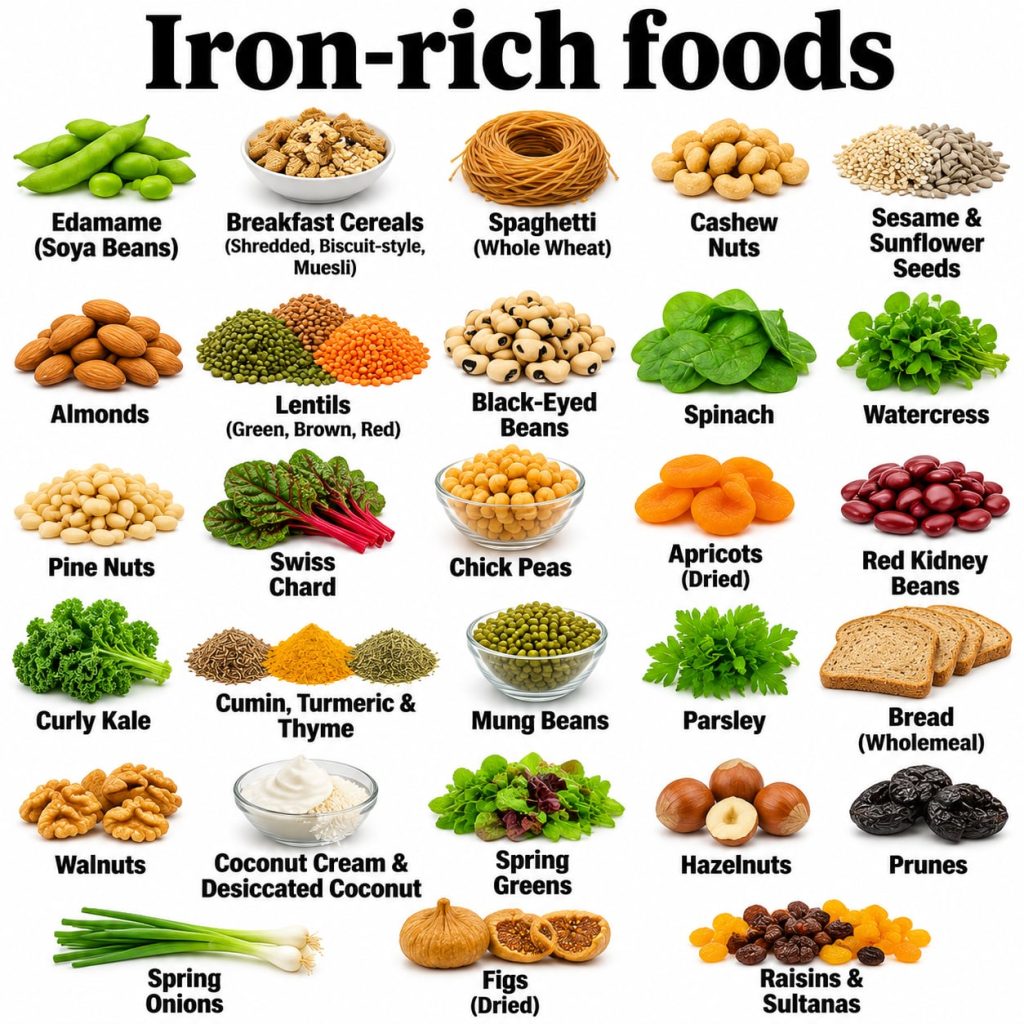
- Start your morning with iron. Stir a handful of leafy greens into eggs or add fortified cereal to your breakfast bowl.
- Build lunch around legumes. Lentils, beans, and chickpeas blend well into soups, salads, and grain bowls.
- Add lean protein to dinner. Lean meat, poultry, and fish are useful sources of iron and pair easily with vegetables.
- Snack smarter. Seeds and nuts can be sprinkled over yogurt or oatmeal for an easy boost.
Pair Iron Foods for Better Results
Some plant foods contain iron that the body absorbs less easily than the iron in animal foods. A simple habit can help: combine iron-rich foods with vitamin C sources such as citrus fruit, bell peppers, or tomatoes. For example, a lentil salad with lemon dressing or a spinach dish with sliced peppers is both tasty and practical.
Avoiding tea or coffee right during iron-rich meals may also help, since these drinks can reduce absorption when consumed at the same time.
Quick Tips for Making It a Habit
- Keep easy iron-rich staples on hand, such as canned beans and frozen greens.
- Plan one iron-focused meal per day and build the rest of your week around it.
- Pair each iron-rich food with a fresh fruit or vegetable.
- Track how you feel over several weeks rather than expecting quick changes.
Who Should Be Careful
Iron needs vary by age, sex, and health status. Pregnant people, people with heavy menstrual bleeding, and people with a known condition affecting iron levels should speak with a qualified healthcare professional before changing their diet or starting supplements.
Final Thoughts
An easy iron boost does not have to mean strict rules or unfamiliar ingredients. By adding iron-rich foods to meals you already enjoy and pairing them thoughtfully, you can support your energy and overall well-being. What is your go-to way to get more iron into your meals? Share your idea in the comments and inspire other readers.
Medical disclaimer: This article is for general information only and does not replace advice from a qualified healthcare professional.