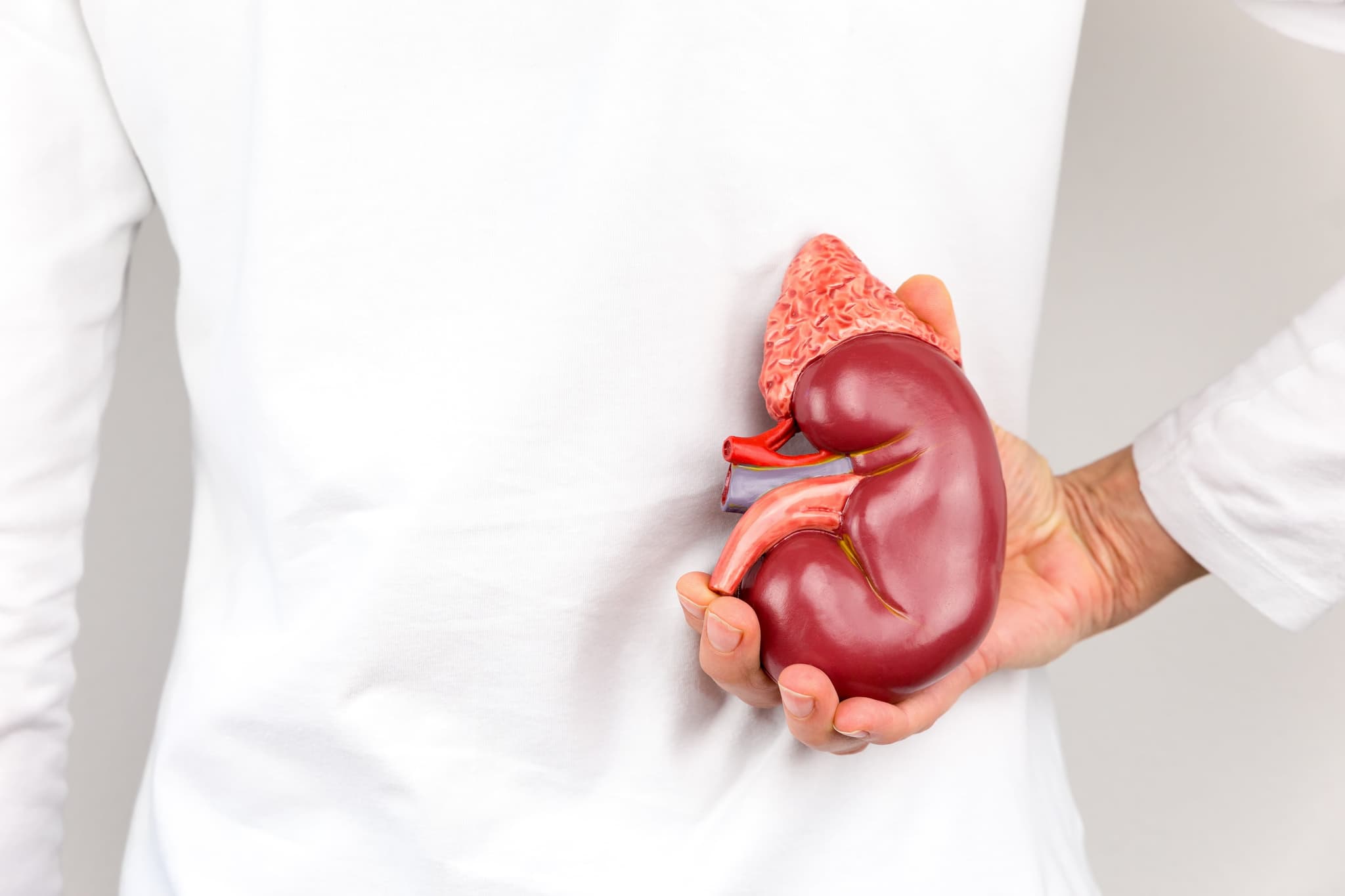
If your lower back feels heavy, your bladder gets irritated easily, or you are always running to the bathroom, your kidneys and urinary tract may be quietly asking for support.
One simple green most people step on without noticing—plantain leaf (Plantago) – has been used in folk medicine for centuries to soothe the urinary system, calm irritation, and support gentle detox through the kidneys.
Most people never realize this “weed” can be turned into a kidney-support herb drink and a skin-soothing salve using only its fresh leaves and water.
What Plantain Leaf Does Inside the Body
Plantain leaf isn’t the sweet yellow fruit. It’s a low-growing green with broad leaves that pop up in yards, paths, and fields.
Inside those leaves are:
- Mucilage – a slippery, gel-like fiber that coats and soothes irritated tissues from the mouth down through the urinary tract.
- Iridoid glycosides (like aucubin) – plant compounds studied for their anti-inflammatory and mild antimicrobial actions.
- Tannins – astringent compounds that can help “tighten” and tone tissues, useful when everything feels raw or inflamed.
- Minerals and chlorophyll – gentle support for overall detox and tissue repair.
For the kidneys and bladder, plantain leaf is often used to:
- Calm burning or stinging when you urinate
- Support the body’s natural cleansing through urine
- Reduce mild swelling and irritation in the urinary tract
On the outside, its soothing, slightly cooling nature also makes it popular for balms and salves applied to small cuts, insect bites, or irritated skin.
Simple Preparation Methods (Tea, Juice & Salve)
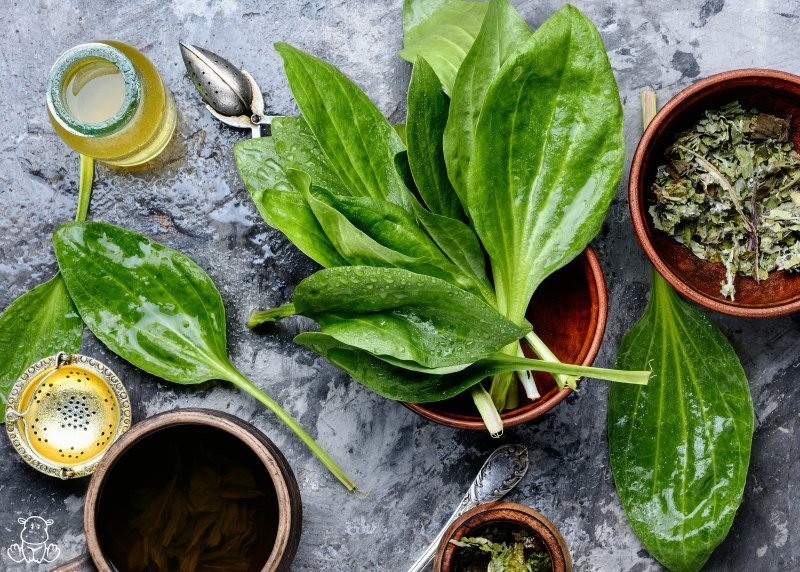
You only need fresh plantain leaves and clean water. Always be sure they are correctly identified, unsprayed, and washed well.
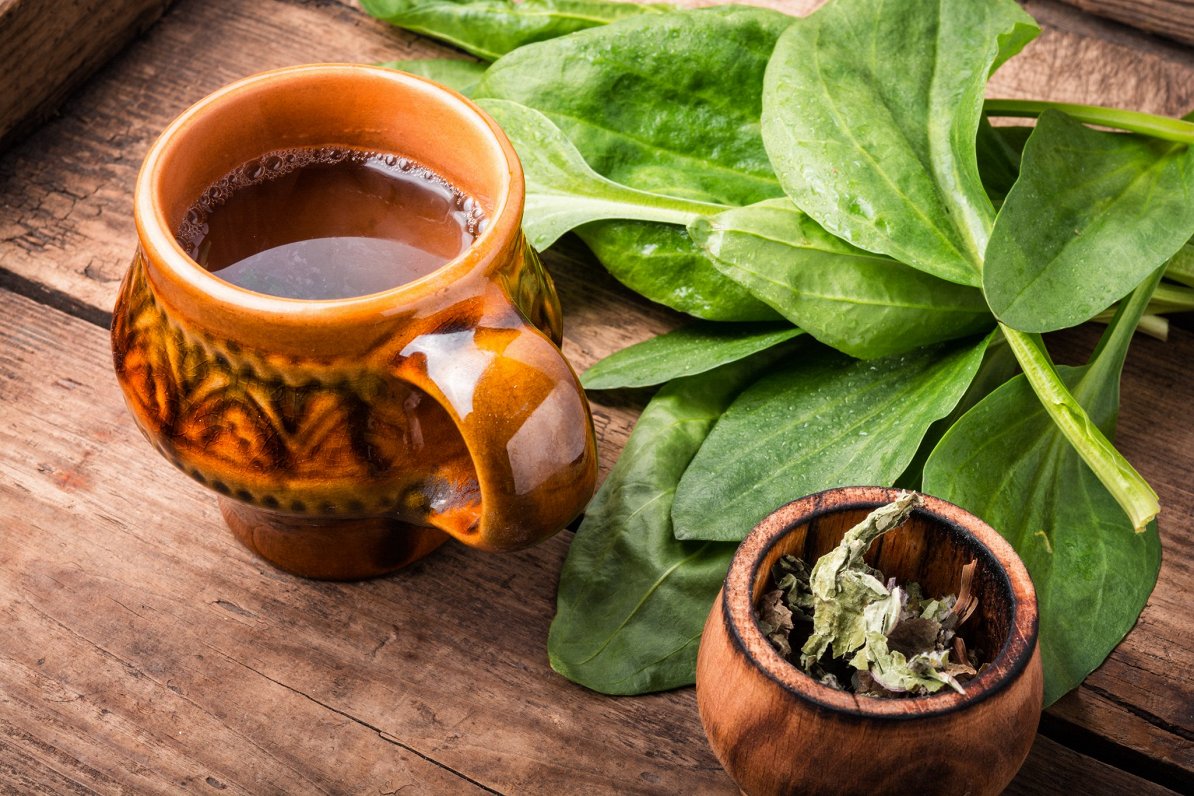
1. Plantain Leaf Kidney Tea
You’ll need
- 1 small handful of fresh plantain leaves
- 2 cups (about 500 ml) of water
Steps
- Rinse the leaves under running water.
- Chop or tear them to help release their juices.
- Add leaves and water to a small pot.
- Bring to a gentle boil, then lower the heat.
- Simmer for 10 minutes, then turn off the stove.
- Cover and let steep another 5–10 minutes.
- Strain into a cup and let it cool until warm.
Drink slowly, noticing the slightly earthy, green taste. Aim for 1–2 cups per day.
2. Fresh Plantain Leaf Juice
This option is more concentrated and often used for short periods.
You’ll need
- 1–2 handfuls of fresh plantain leaves
- A little water to help blending
Steps
- Wash the leaves thoroughly.
- Blend them with a small splash of water until smooth.
- Strain through a fine cloth or sieve to get a dark green juice.
- Start with 1–2 tablespoons, mixed into a small glass of water.
Use once daily for a few days when your urinary system feels especially irritated.
3. Soothing Plantain Skin Salve (for external use)
You’ll need
- Fresh plantain leaves
- A neutral oil or fat (such as plain cooking oil)
- A small heatproof jar
Steps
- Chop the leaves and place them in the jar.
- Cover them completely with oil.
- Place the jar in a warm spot or a water bath on very low heat for 1–2 hours to let the plant infuse.
- Strain out the leaves and let the oil cool.
- Apply a thin layer to irritated skin as needed.
This is for the skin only—not for internal use.
Why It Works
In many traditional systems, plantain leaf is considered:
- Cooling and moistening – ideal when there is burning heat in the urinary tract.
- Cleansing – used to help the body wash out irritants through increased urine flow.
Modern insight supports this view:
- The mucilage coats tissues and may reduce friction and irritation.
- Iridoid glycosides and tannins appear to calm local inflammation and mild infection, giving tissues a chance to heal.
- By encouraging urination, plantain leaf tea may help dilute concentrated urine that can sting sensitive tissues.
Safety & Who Should Avoid Plantain Leaf
Plantain leaf is generally gentle, but still deserves respect.
- Avoid if you are allergic to plantain or related plants.
- If you are pregnant, breastfeeding, or have chronic kidney disease, speak with your healthcare provider first.
- Do not rely on plantain leaf alone for severe urinary tract infections or kidney stones. High fever, chills, strong pain, or blood in urine are emergency signs.
- Stop using if you notice rash, itching, or breathing difficulty after contact or ingestion.
Listen to your body. If something feels off, pause the herb and get professional guidance.
Final Takeaway
That “ordinary” green by the path – plantain leaf – can become a gentle ally for your kidneys and urinary tract when turned into a simple tea or juice. Used consistently, it may help soothe burning, support cleansing, and calm irritated tissues from the inside out.
Save this guide if you want to try plantain leaf later.