When most people think of bone health, they think of milk and maybe a calcium supplement. But bones are living tissue, constantly breaking down and rebuilding in a process called remodeling. That process depends on much more than calcium alone.
Research shows that strong bones need a combination of minerals (calcium, magnesium, potassium), vitamins (D, K2), high‑quality protein, and anti‑inflammatory foods that protect bone cells from oxidative stress. The foods you eat every day have a bigger impact on your long‑term bone strength than you might realize.
Below are 12 evidence‑supported foods for bone maintenance, based on nutrient density per portion — exactly like you might see on a bone health chart.
Yogurt – Calcium + Probiotics in One
-
Around 415 mg calcium per cup
-
Fermented dairy provides calcium, protein, and beneficial bacteria
-
Healthy gut flora can improve mineral absorption, making yogurt more efficient than many isolated calcium pills
-
Higher intake of fermented dairy has been linked to better hip bone mineral density in observational research
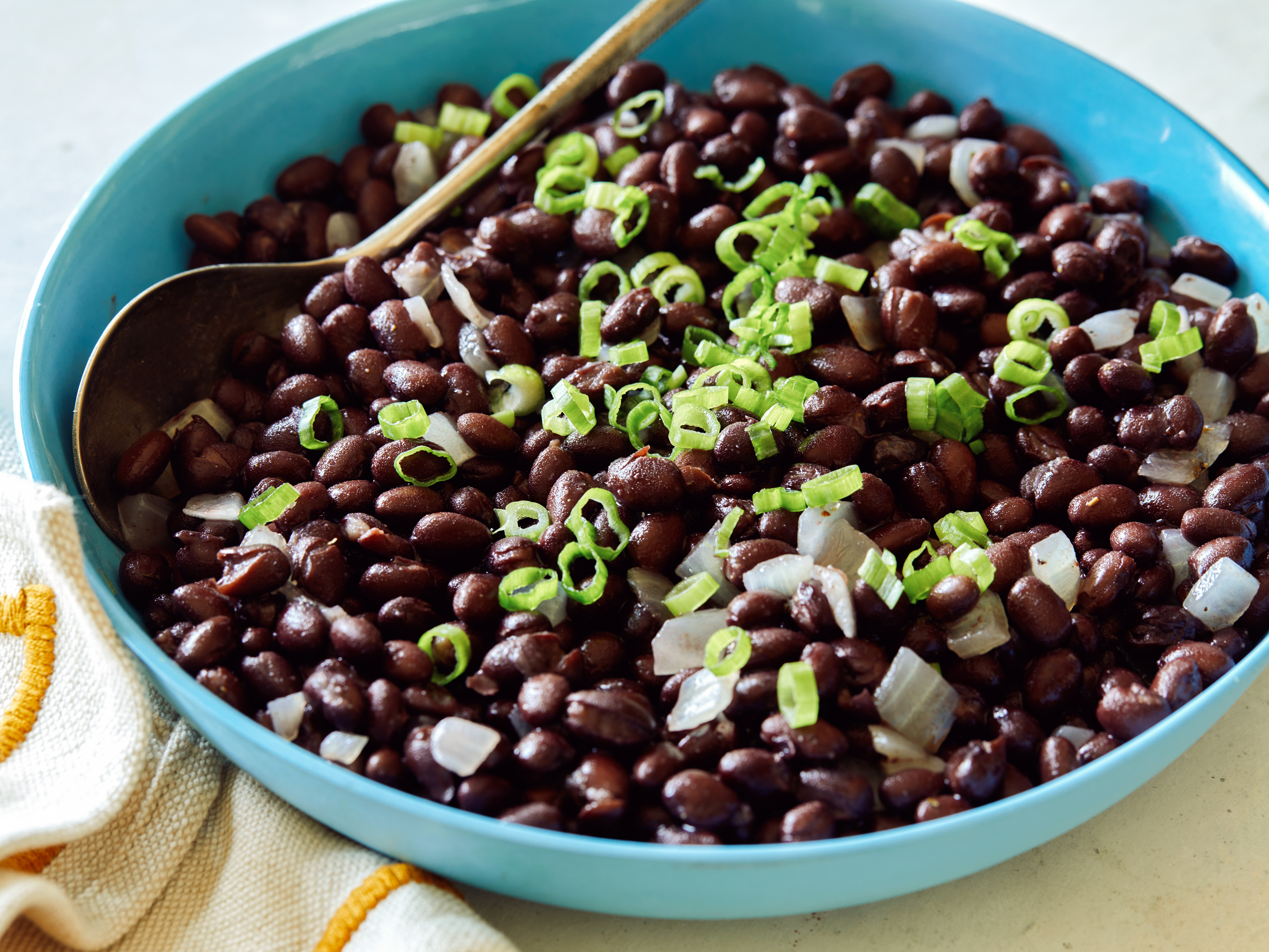
Black Beans – Magnesium and Potassium for Bone Balance
-
About 123 mg calcium per cup, plus magnesium, potassium, and plant protein
-
Magnesium supports vitamin D activation and bone mineralization
-
Potassium helps buffer acid load, protecting calcium stores in bone
-
Great for plant‑forward or flexitarian diets where dairy is lower
Kale – Highly Absorbable Plant Calcium
-
Roughly 150 mg calcium per 100 g
-
Low in oxalates, so its calcium is relatively easy to absorb compared with spinach
-
Rich in vitamin K, which activates osteocalcin — a protein that locks calcium into the bone matrix
-
Antioxidants in kale help reduce inflammation linked to bone loss
Cottage Cheese – Protein for Remodeling
-
Around 85 mg calcium per cup, plus a strong dose of casein protein
-
Protein supports bone remodeling and helps maintain muscle mass, which reduces fracture risk
-
Contains phosphorus, which works alongside calcium in bone structure
Broccoli – Small Calcium, Big Synergy
-
About 45 mg calcium per 100 g
-
Provides vitamin C for collagen formation (the protein “scaffolding” of bone)
-
Includes vitamin K and minerals that support bone metabolism
-
Low oxalate content makes its modest calcium easier to use
Salmon – Vitamin D + Omega‑3s
-
Roughly 150 mg calcium per 100 g (higher if canned with soft bones)
-
Vitamin D enhances calcium absorption in the gut
-
Omega‑3 fatty acids help lower chronic inflammation, protecting bone cells from damage
-
Some canned salmon includes edible bones that add a bonus calcium source

Tofu (Calcium‑Set) – Plant Calcium and Isoflavones
-
Around 350 mg calcium per 100 g when set with calcium salts
-
Provides complete plant protein plus isoflavones, which may help reduce bone loss in postmenopausal women
-
A key bone‑friendly staple in vegetarian and vegan diets
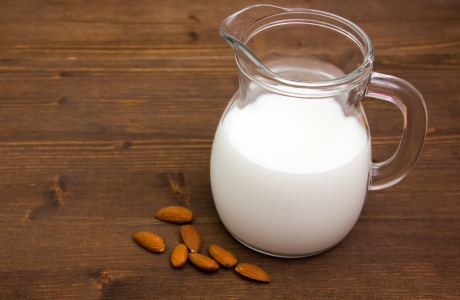
Fortified Almond Milk – Easy Calcium for Sensitive Digestion
-
Typically ~300 mg added calcium per cup (check label)
-
Often fortified with vitamin D as well, making it comparable to cow’s milk for these nutrients
-
Lower in calories, lactose‑free, and a gentle option for those with dairy intolerance
-
The almonds themselves don’t add much calcium, but the fortification makes it practical for daily intake
Cheese – Dense Calcium + Vitamin K2
-
Around 900 mg calcium per 100 g in many hard cheeses
-
Also a valuable source of vitamin K2 (especially in varieties like gouda and brie), which helps direct calcium into bones instead of soft tissues
-
Very nutrient‑dense, so small amounts go a long way
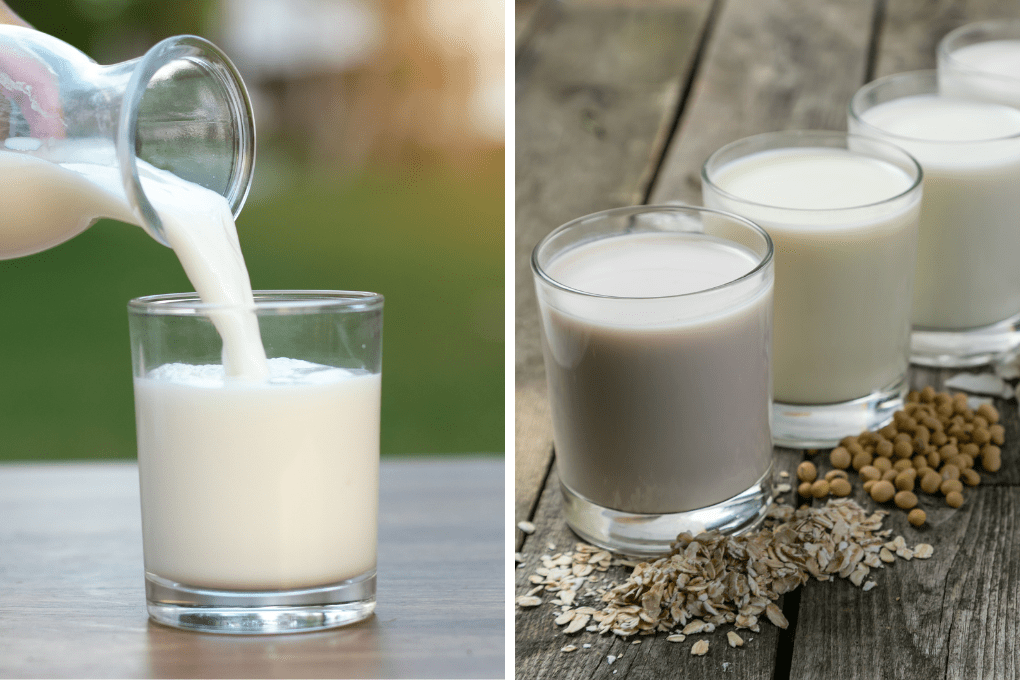
Milk – Classic Bone Support
-
About 305 mg calcium per cup
-
Provides calcium, phosphorus, potassium, and protein in one serving
-
This combination supports bone mineralization and muscle strength, both crucial for preventing falls and fractures
Spinach – Mineral‑Rich, Even With Oxalates
-
Around 136 mg calcium per 100 g
-
High oxalate content reduces how much calcium you absorb, but spinach still delivers magnesium, potassium, folate, and vitamin K
-
Pairing spinach with vitamin C–rich foods (like lemon or bell pepper) can support better mineral uptake
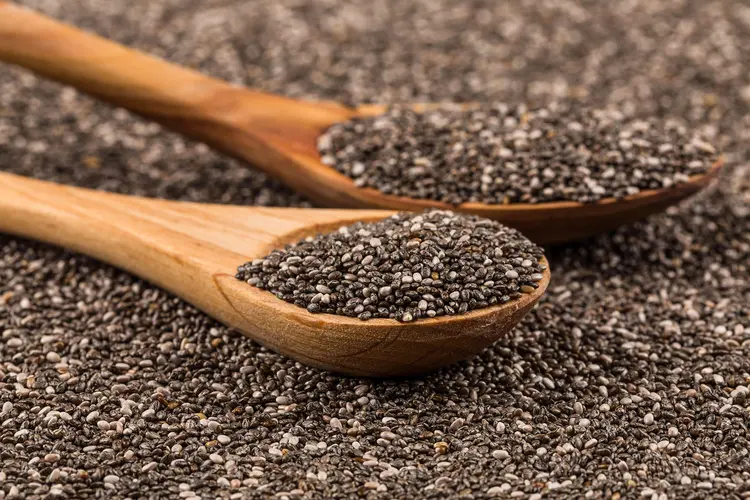
Chia Seeds – Surprising Calcium Powerhouse
-
Approximately 631 mg calcium per 100 g
-
Also provide omega‑3s, magnesium, and fiber
-
Especially useful for people who avoid dairy but still want concentrated bone‑supportive minerals
-
When soaked, chia forms a gel that slows digestion and may support calcium absorption over time
How These Foods Work Together for Bone Health
Bone strength is not about a single “superfood” — it’s about synergy.
-
Calcium builds the mineral structure of bone.
-
Vitamin D helps you absorb that calcium from the gut.
-
Vitamin K2 escorts calcium into bone and away from arteries.
-
Magnesium activates vitamin D and supports new bone formation.
-
Protein forms the collagen framework that calcium and phosphorus attach to.
-
Omega‑3 fats lower inflammation that accelerates bone breakdown.
The foods above naturally combine these nutrients in different ratios. That’s why variety beats relying on milk alone.
How Much Calcium Do Adults Need?
General guidelines (exact needs depend on medical advice):
-
About 1000 mg/day for most adults
-
About 1200 mg/day for women 50+ and men 70+
A single day of bone‑smart eating could look like:
-
1 cup yogurt (~415 mg)
-
100 g calcium‑set tofu (~350 mg)
-
1 cup fortified almond milk (~300 mg)
-
100 g kale (~150 mg)
Total: roughly 1215 mg calcium — without any supplements.