Your liver is already your best detox machine. It filters blood, processes hormones and medications, and turns nutrients into usable energy — nonstop. Real “liver detox” isn’t about harsh cleanses; it’s about feeding this organ the foods that help it do its job with less stress.
Here’s a clear, blog-ready breakdown of liver-supporting foods from your list, explained simply and grouped for easy reading.
Best Foods to Support Natural Liver Detox
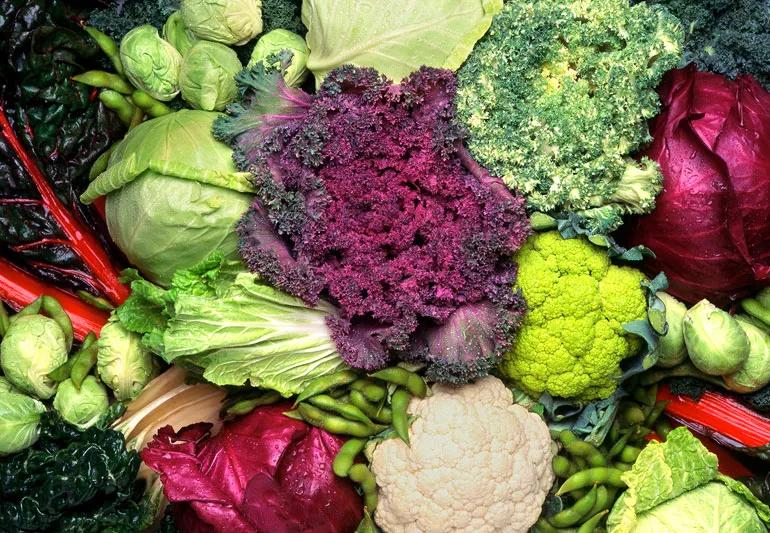
Cruciferous Vegetables (Broccoli, Cauliflower, etc.)
-
Contain glucosinolates that boost Phase II detox enzymes, the pathways your liver uses to neutralize chemicals and metabolic waste.
-
Help raise glutathione, the liver’s main antioxidant defense.
-
Benefits: better detoxification, improved estrogen metabolism, and lower inflammation.
Beets
-
Rich in betalains, pigments that reduce oxidative stress and support bile production.
-
Natural nitrates improve blood flow into the liver.
-
Benefits: smoother digestion and stronger antioxidant protection for liver cells.
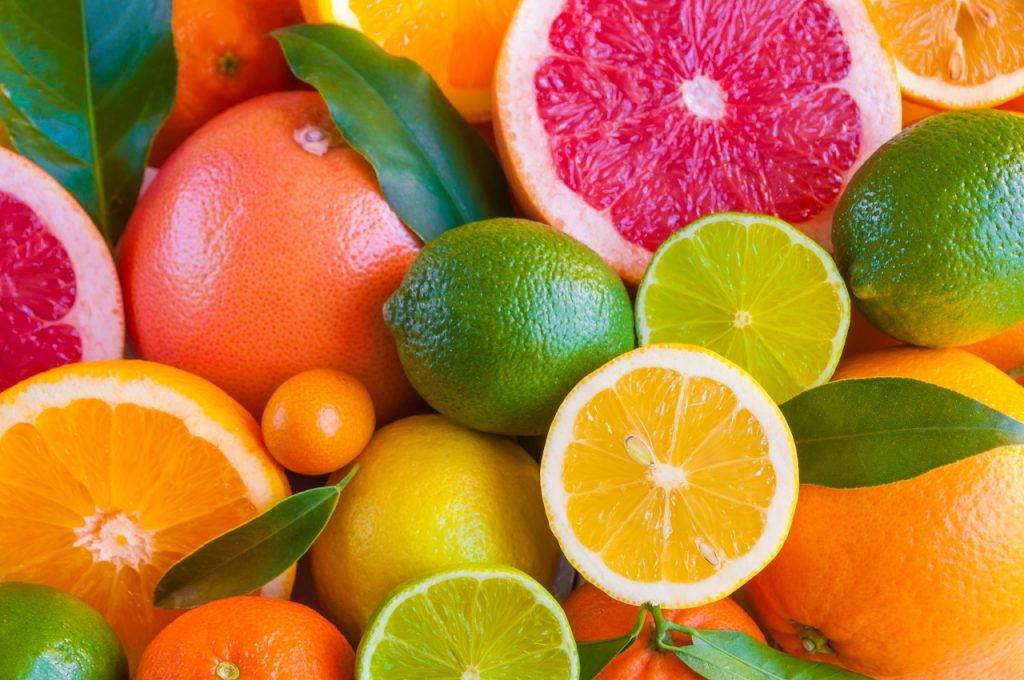
Citrus Fruits (Lemon, Orange, Grapefruit)
-
Provide vitamin C and flavonoids like naringenin that support liver cell repair and fat metabolism.
-
Naringenin is linked to reduced fat accumulation in early fatty‑liver changes.
-
Warm lemon water is a simple way to support hydration and gentle bile flow.
Coffee
-
One of the most studied drinks for liver protection.
-
Associated with healthier liver enzyme levels and lower risk of scarring and stiffness.
-
Key compounds (chlorogenic acids + caffeine) help regulate fat handling and antioxidant pathways in the liver.
Garlic
-
Sulfur compounds (like allicin) and selenium support detox enzymes and glutathione production.
-
Helps clear certain toxins and may lower low‑grade inflammation in liver tissue.
-
Especially useful if digestion feels sluggish or there’s hormonal overload.
Fatty Fish (Salmon, Sardines, Mackerel)
-
Omega‑3 fatty acids help reduce liver fat, improve insulin sensitivity, and lower inflammation.
-
Support healthier triglyceride levels and blood flow, easing metabolic strain on the liver.
-
Aim for 2–3 servings per week if tolerated.
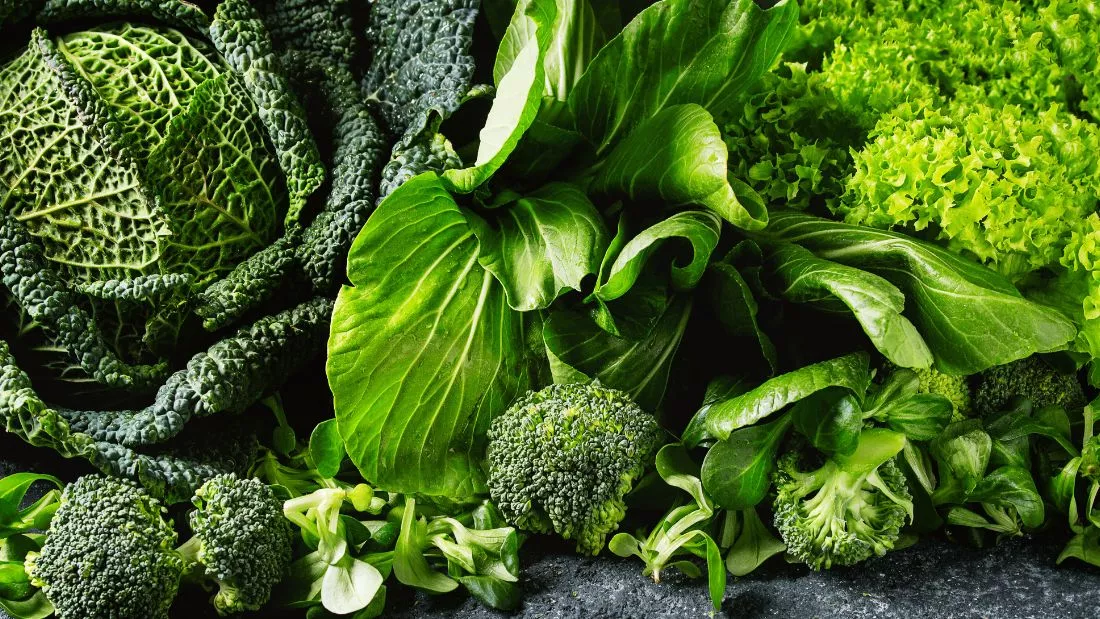
Leafy Greens (Especially Dandelion)
-
Dandelion greens have a long history as a “bitter” to support bile production and digestion.
-
Contain chlorogenic acids and antioxidants that help protect the liver from oxidative injury.
-
Other greens (spinach, kale, arugula) add folate, magnesium, and compounds that assist detox pathways.
Olive Oil (Extra-Virgin)
-
A tablespoon a day has been shown in research to reduce liver fat and improve liver enzyme patterns in some people.
-
Supports bile flow, more stable blood sugar, and healthier lipid profiles.
-
Using olive oil as your main fat is a simple daily liver-support habit.
Walnuts
-
Provide omega‑3s, L‑arginine, and polyphenols that help detox ammonia and protect liver cells from oxidative stress.
-
Support methylation and other liver‑dependent processes involved in hormone and toxin processing.
Apples
-
High in pectin, a soluble fiber that binds waste, cholesterol, and some toxins in the gut so they’re carried out instead of sent back to the liver.
-
More effective fiber = less detox work for the liver.
Green Tea
-
Rich in catechins (especially EGCG), which help balance liver enzymes and reduce fat accumulation in liver tissue.
-
One of the most researched herbal drinks for metabolic and liver support.
-
Best as 1–2 cups per day, preferably with food if you’re sensitive.
Asparagus
-
Provides glutathione precursors and antioxidants that support natural detox reactions.
-
Mild diuretic action supports fluid balance and waste removal through urine, indirectly helping the liver.
How These Foods Actually Support “Detox”
Real detox is your liver doing four things well:
-
Phase I detox:
Breaks toxins down into smaller, sometimes more reactive compounds.-
Supported by: citrus fruits, cruciferous vegetables, garlic, green tea.
-
-
Phase II detox:
Converts those compounds into water‑soluble, safer forms for elimination.-
Supported by: leafy greens, beets, amino acids (from fish, nuts), walnuts, garlic.
-
-
Bile flow and waste removal:
Gets fat‑soluble waste and cholesterol out through the gut.-
Supported by: olive oil, citrus, leafy bitters, asparagus.
-
-
Antioxidant defense:
Protects liver cells from damage as they work.-
Supported by: beets, crucifers, coffee, green tea, apples, walnuts.
-
These foods don’t “flush toxins” overnight. They make the chemistry your liver already does more efficient and less stressful.
A Simple Liver-Friendly Daily Pattern
You don’t need a complicated liver cleanse. Try:
-
Add 1 cruciferous vegetable to lunch or dinner (broccoli, cauliflower, cabbage).
-
Drink 1–2 cups of coffee or green tea (if not contraindicated).
-
Eat 1 serving of fruit (citrus or apple) per day.
-
Use extra‑virgin olive oil as your main added fat.
-
Include fatty fish or a handful of nuts (like walnuts) 3–4 times per week.
Small, consistent habits like these can make a big difference in how efficiently your liver works over the long term — without drastic detox protocols.