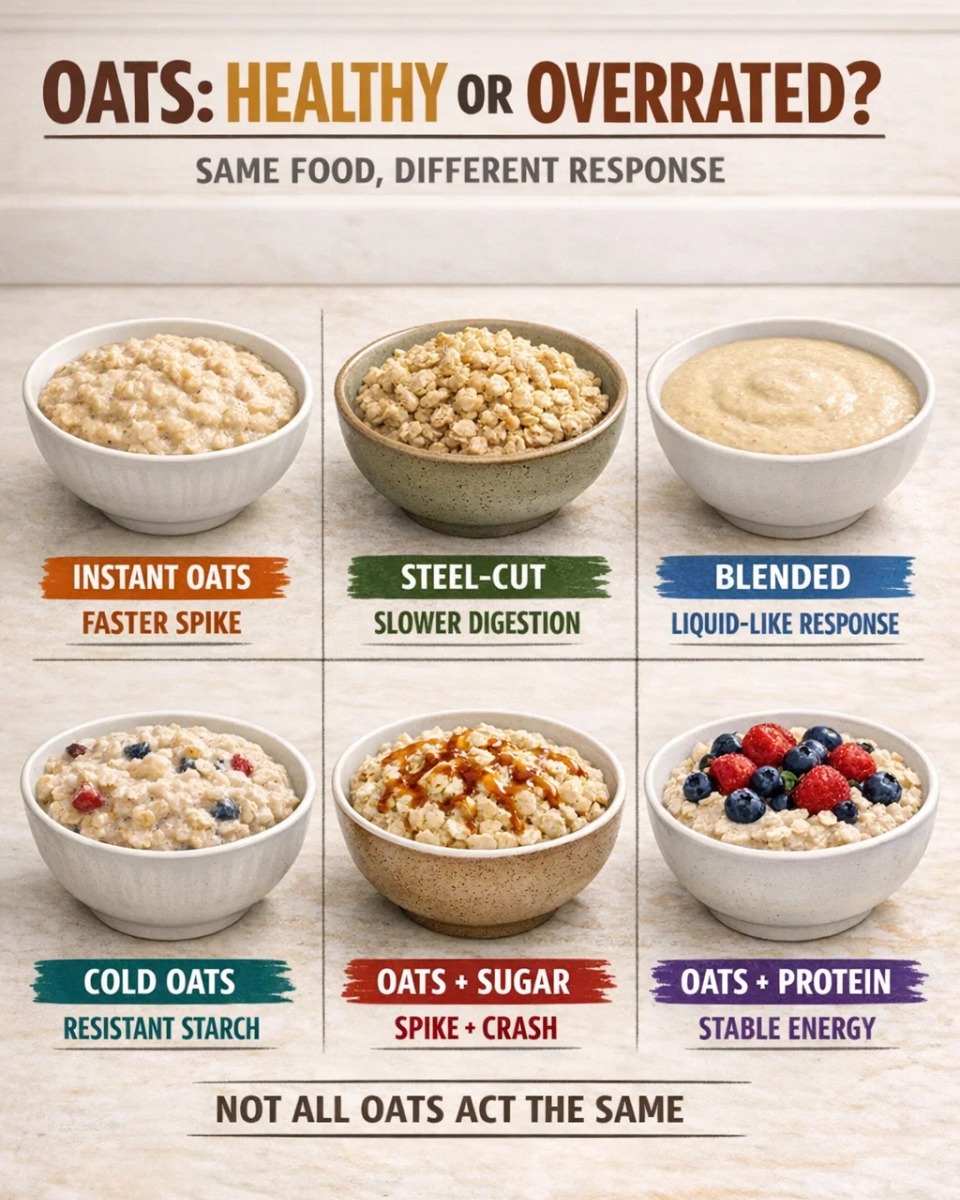
Oats are widely considered one of the healthiest breakfast choices. They are rich in fiber, easy to prepare, and often recommended for heart health and digestion. But there’s a critical detail most people overlook: 👉 The same oats can produce completely different energy responses depending on how you prepare them.…
-
-
Food Combinations That Reduce Blood Sugar Spikes (Simple Pairing Strategy That Works)
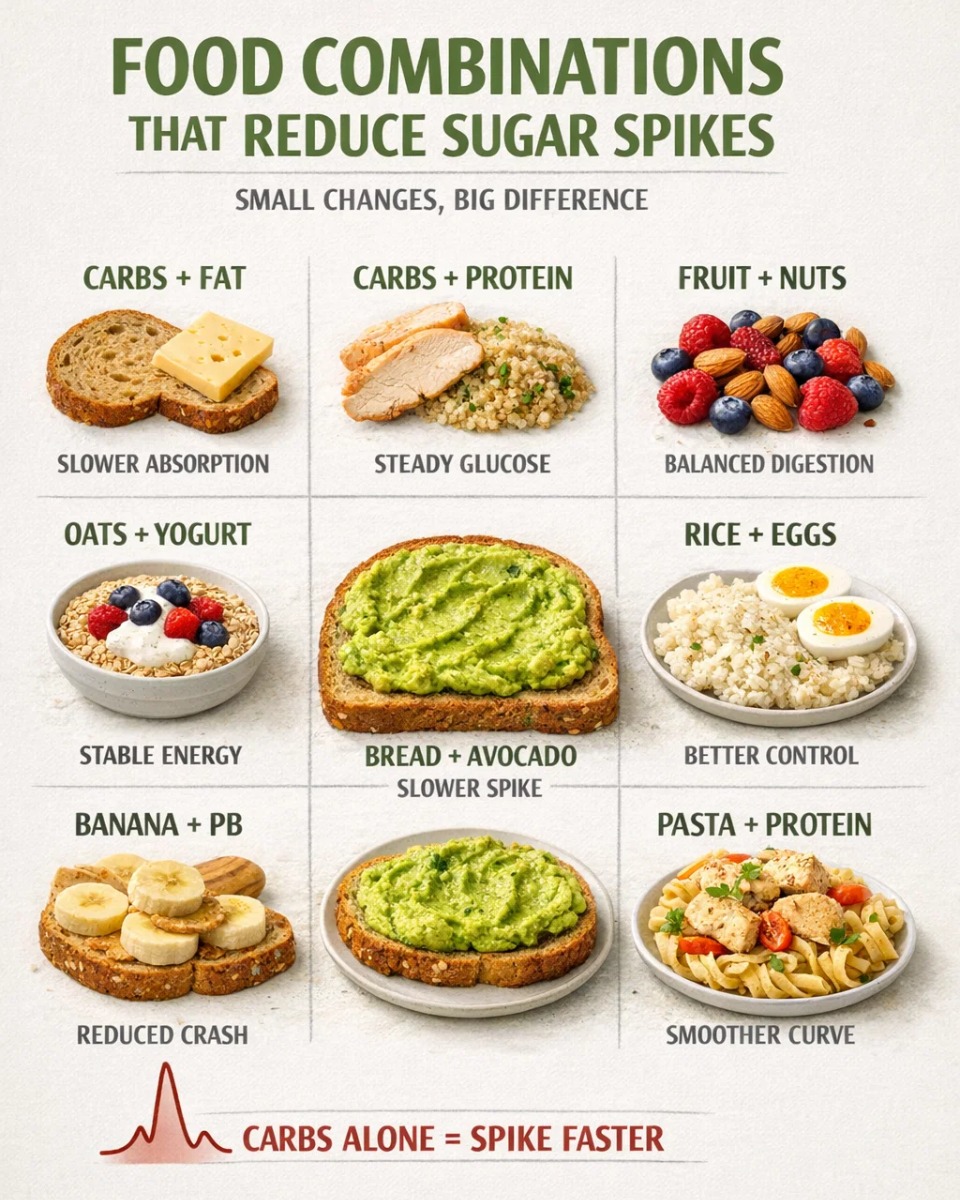
Blood sugar spikes are not just about sugar. Many people still experience rapid glucose spikes even when eating “healthy” foods like fruit, rice, or oats. The problem is often not the food itself — but how it is combined. When carbohydrates are eaten alone, they digest quickly and enter the…
-
12 Foods That Trigger Fullness Signals Faster (And Help You Feel Satisfied Longer)
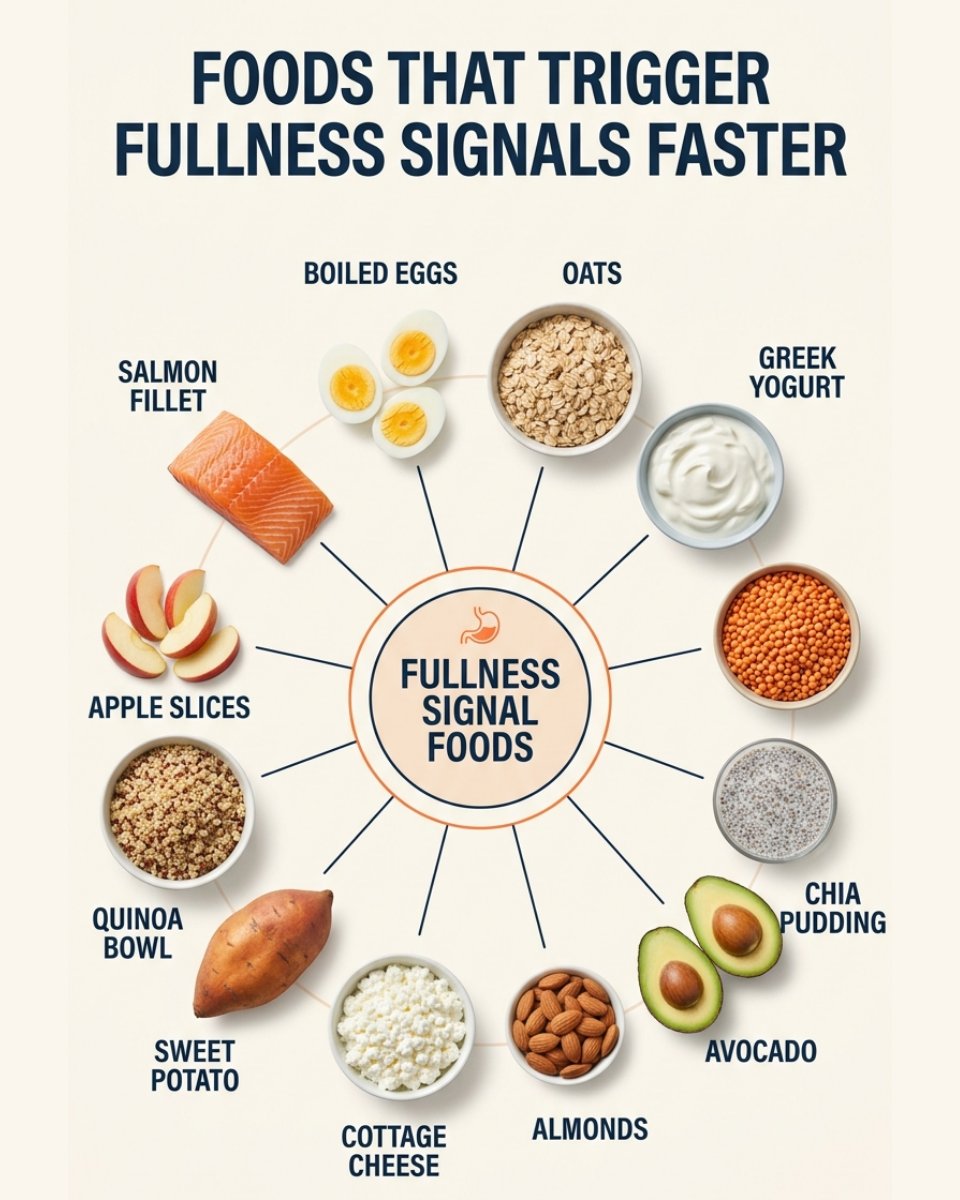
Many people assume feeling full is just about eating more. In reality, fullness is influenced by how your body responds to certain nutrients—especially protein, fiber, and healthy fats. Foods that trigger fullness signals faster can help you feel satisfied with balanced portions, instead of constantly feeling hungry or needing snacks…
-
Foods That Balance Digestion Speed: 12 Simple Foods That Help Your Gut Work More Smoothly
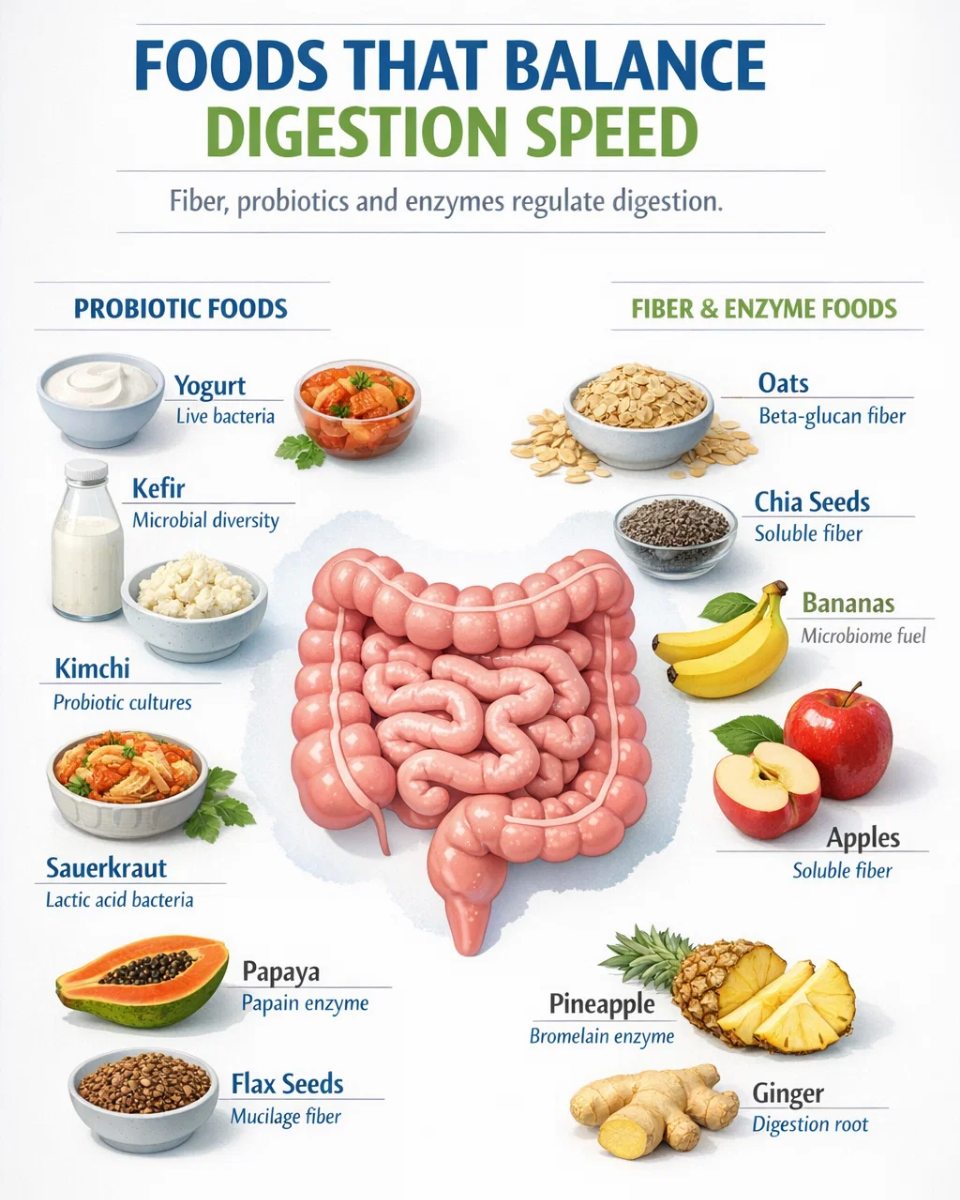
Foods that balance digestion speed can help your body process meals more smoothly without feeling too heavy or too fast. When digestion is out of balance, you may experience bloating, low energy, or unstable hunger throughout the day. Many people focus on what they eat, but not how quickly their…
-
Foods That Calm an Irritated Gut: 12 Gentle Foods That Actually Help
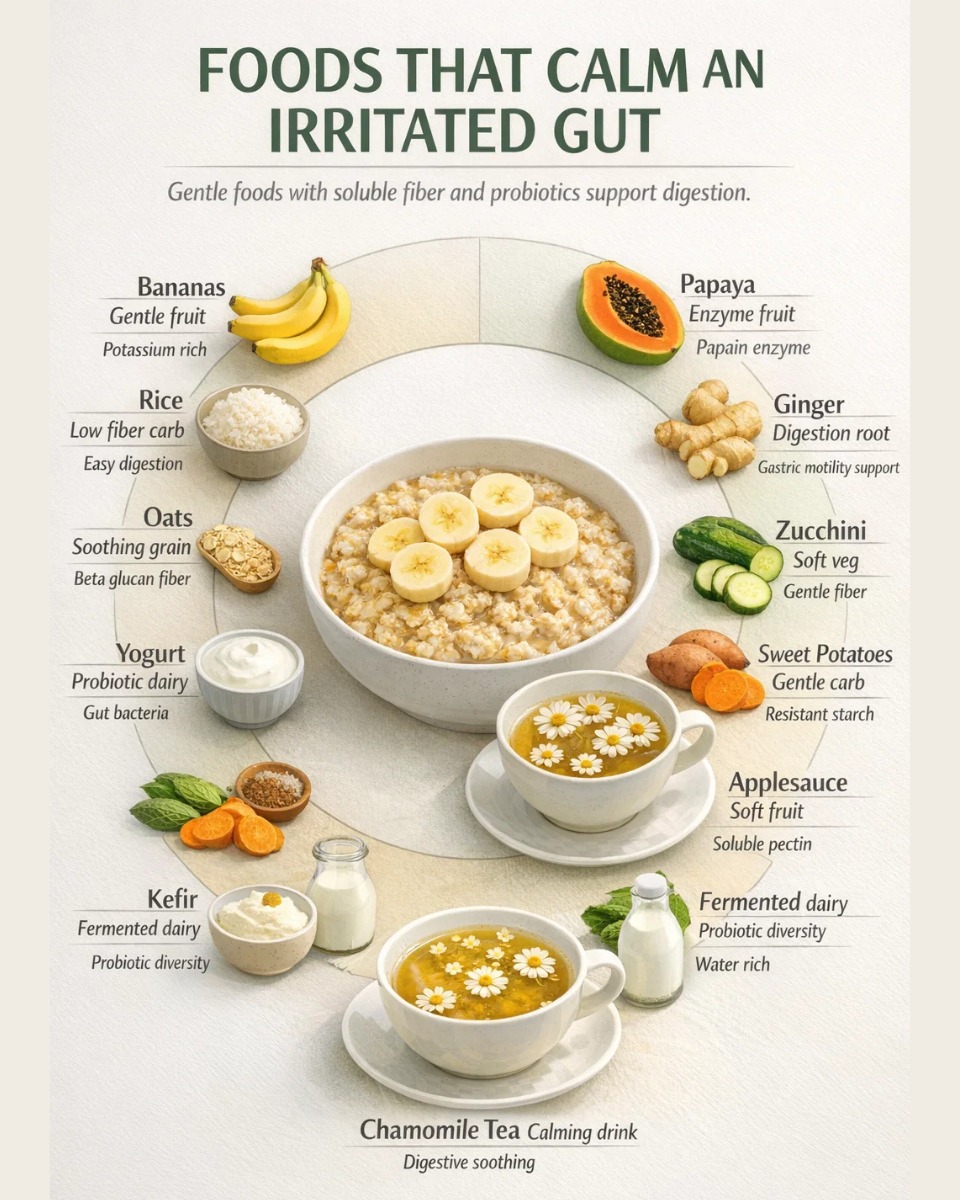
Foods that calm an irritated gut are often simpler than people expect. When digestion feels off, the goal is not to eat less, but to choose foods that are easier to tolerate and support a more stable digestive environment. Many people continue eating “healthy” foods that are actually too harsh…
-
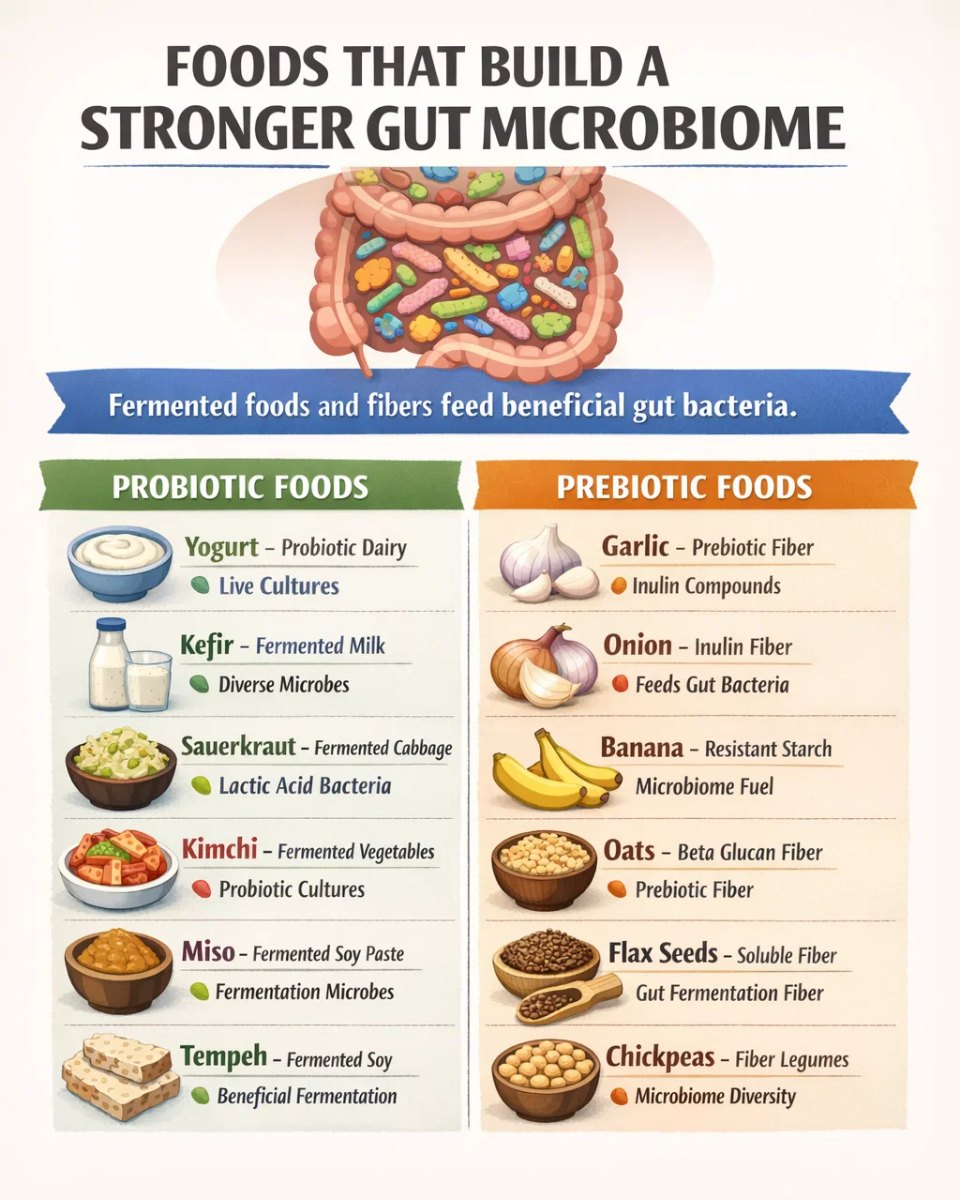
12 Foods That Help Build a Stronger Gut Microbiome (And How to Use Them Daily)
Many people don’t realize that gut health is not just about digestion. The gut microbiome—a community of bacteria living in your digestive system—plays a role in how your body processes nutrients, regulates energy, and maintains overall balance. What you eat directly shapes this system. But here’s the part most people…
-
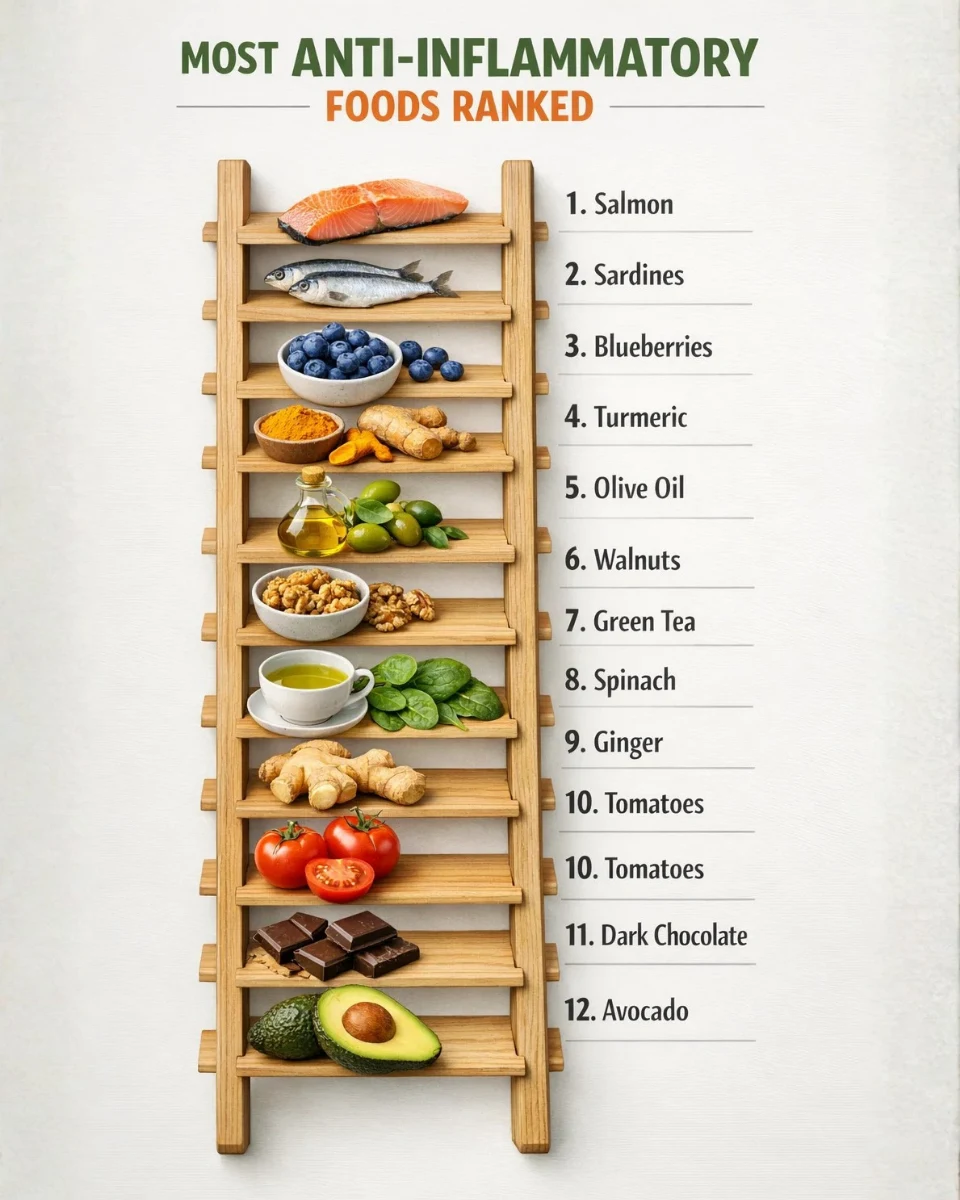
Anti-Inflammatory Foods Ranked: 12 Foods That Help Reduce Chronic Inflammation
Anti-inflammatory foods have gained attention because chronic inflammation is linked with many long-term health conditions, including heart disease, metabolic disorders, and joint discomfort. Inflammation itself is a natural immune response that helps the body repair tissue and fight infections. However, when inflammation becomes chronic or persistent, it may place stress…
-
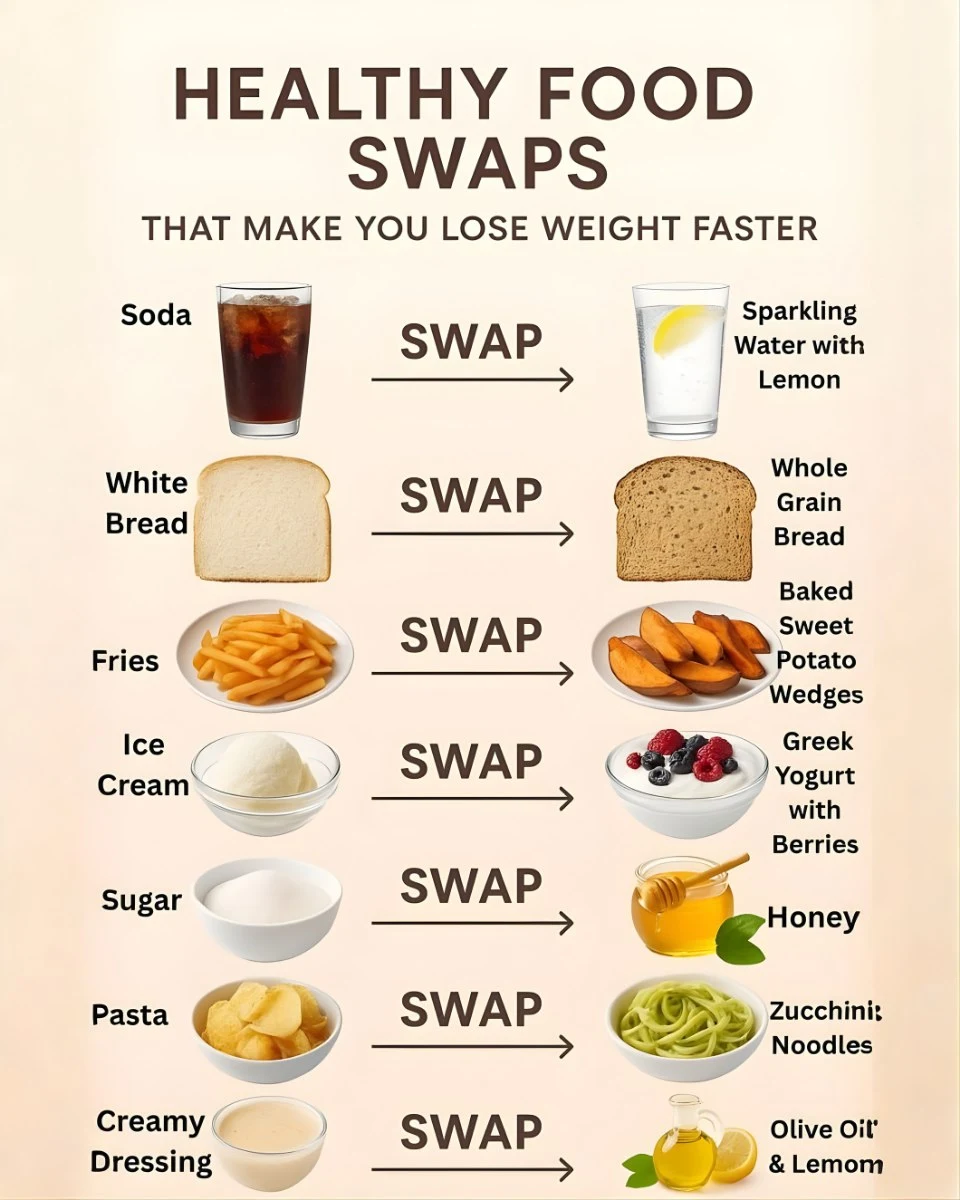
Healthy Food Swaps for Weight Loss: Why Structure Matters More Than Restriction
When people try to lose weight, they often focus on cutting calories or eliminating “bad” foods. But sustainable weight loss is less about restriction — and more about how food affects digestion, blood sugar, and hunger signals. The swaps shown in this guide are not magic tricks.They work because they…
-
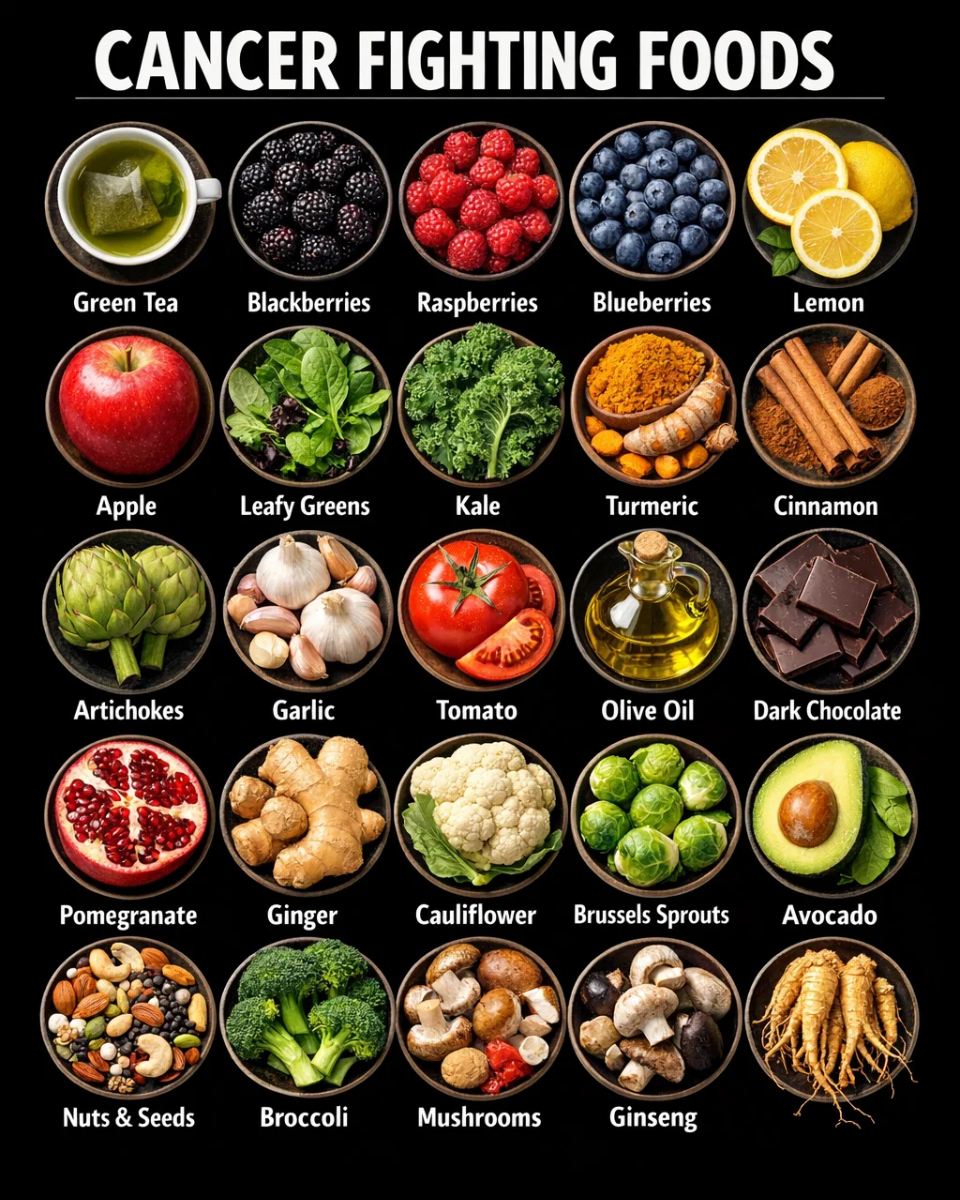
Cancer-Fighting Foods: 21 Powerful Anti-Inflammatory Foods Backed by Science
Cancer-fighting foods are often misunderstood. No single food prevents or cures cancer. But research shows that certain dietary patterns rich in antioxidants, fiber, and anti-inflammatory compounds may help reduce long-term cancer risk. This article explains what cancer-fighting foods actually mean in scientific terms and which ingredients are most consistently associated…
-
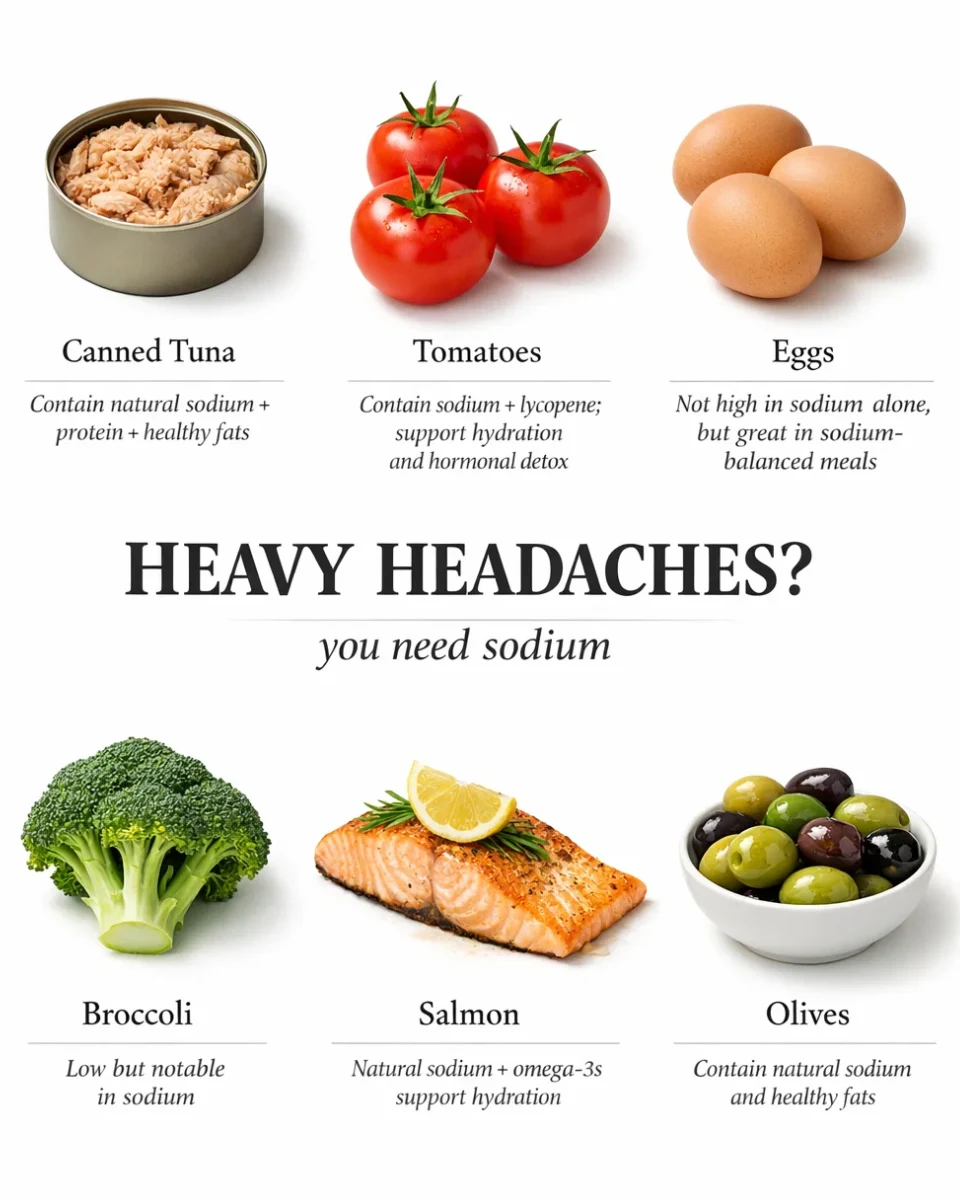
Low Sodium Headaches: 7 Signs Your Head Pain Is Not Dehydration
Low sodium headaches are often mistaken for dehydration. Many people drink more water when head pressure builds, but the real issue may be an imbalance between fluid and electrolytes. Sodium plays a key role in blood volume, nerve signaling, and hydration balance, and when levels drop too low, headaches can…