 Most people assume vegetables are always “good for digestion.” So when a “healthy meal” leaves you bloated, tight, or gassy, it feels confusing.
The missing piece?
How long you cook your vegetables can literally decide whether they soothe your gut… or ferment in it.
Veggies are packed with different fibers, FODMAPs, enzyme inhibitors, and plant compounds. Cooked in the right time window, these break down into nutrients your gut can absorb easily. Undercooked, they ferment and create gas. Overcooked, they lose structure, minerals, and become harder to tolerate.
Here’s the simplified guide from the post — and what each cooking time actually does inside your gut.
Ideal Cooking Windows for Easier Digestion
-
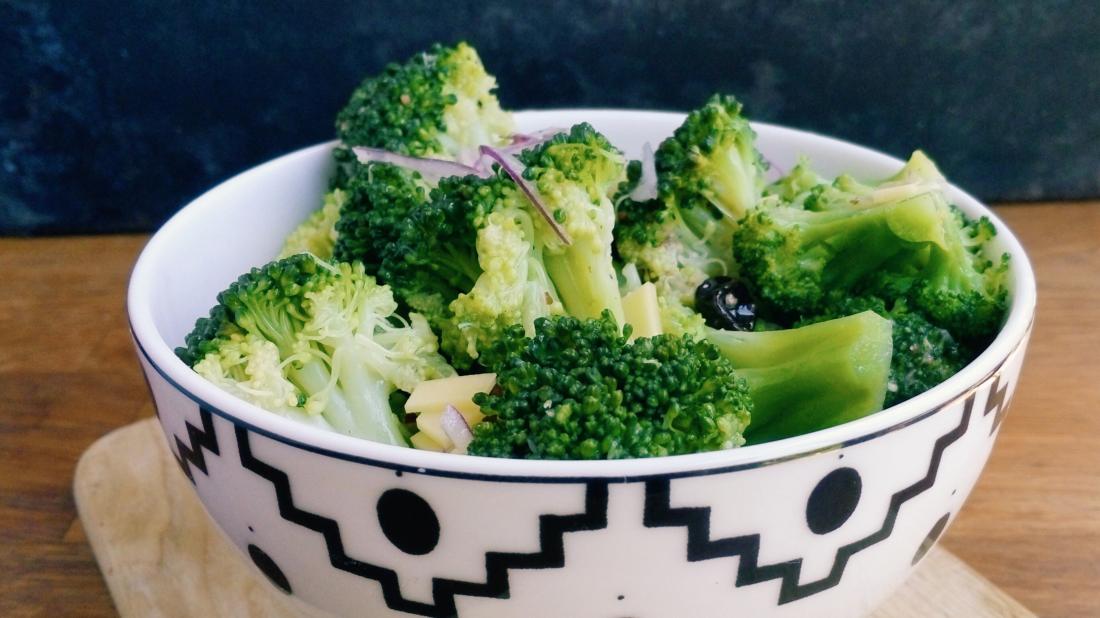
Broccoli – ~3 minutes (light steaming or boiling)
Softens fiber just enough and supports formation of sulforaphane while keeping FODMAPs manageable. Too short = more fermentable sugars and gas; too long = nutrient and texture collapse.
-
Cauliflower – ~4 minutes
Slightly denser than broccoli, so it needs a bit more time. This helps reduce raffinose (a gas‑forming sugar) and softens fiber without turning it sulfurous and mushy. -
Carrots – 4–5 minutes
Light steaming breaks down cell walls, making carotenoids more bioavailable while keeping fiber intact. Overcooking destroys texture and reduces their gentle “sweep” effect through the gut. -
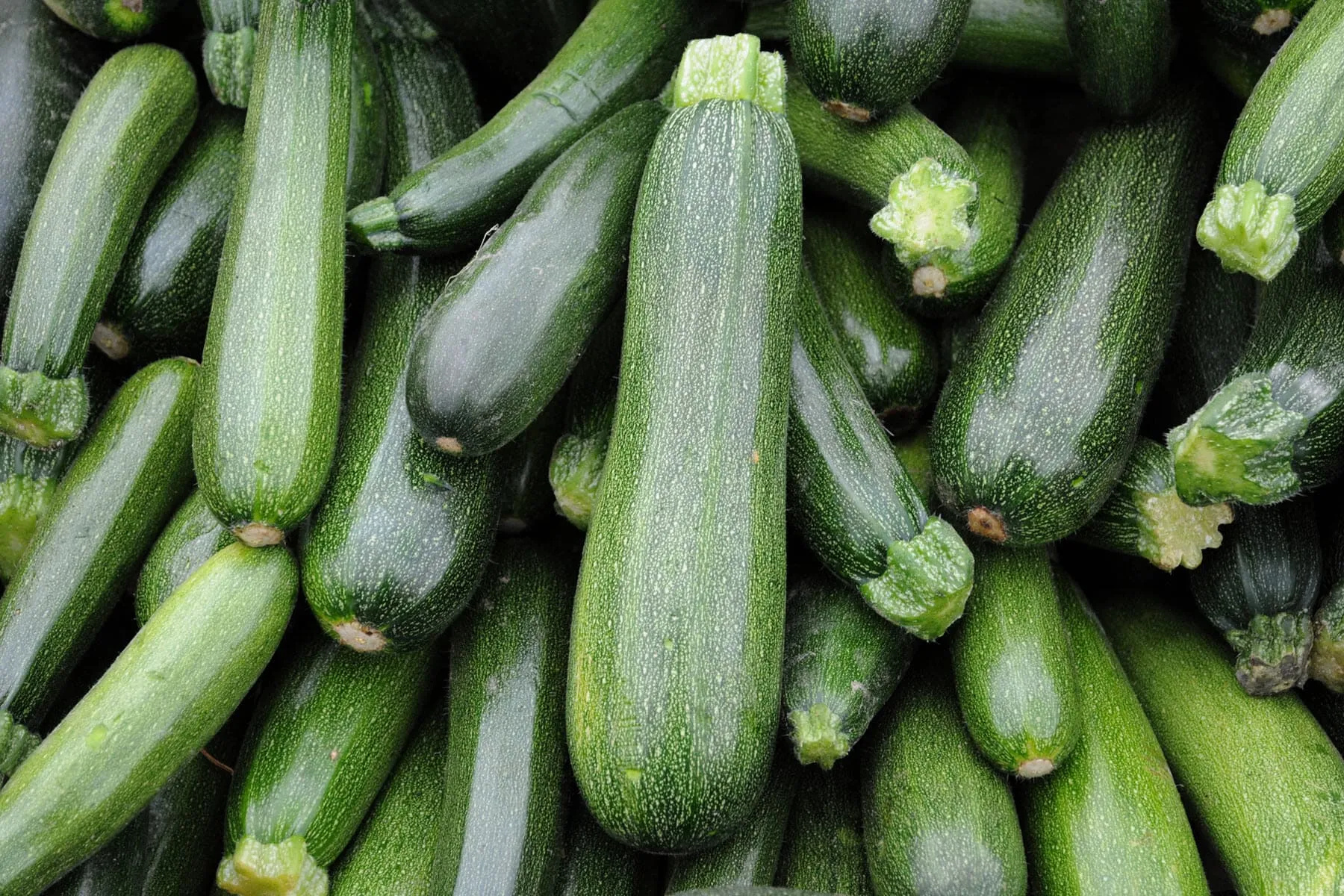
Zucchini – ~2 minutes
Extremely water‑rich, so it softens very quickly. Short cooking keeps it light on the stomach; longer cooking makes it soggy, watery, and less satisfying.
-
Spinach – ~1 minute
A quick wilt can cut oxalate content significantly and improve mineral availability. Overcooking turns it slimy and more bitter, which many people find harder to stomach. -
Green beans – ~4 minutes
This window breaks down problematic lectins and some FODMAPs while keeping a bit of crunch. Undercooked beans = more gas; overcooked = dull, mushy, and lower in key vitamins. -
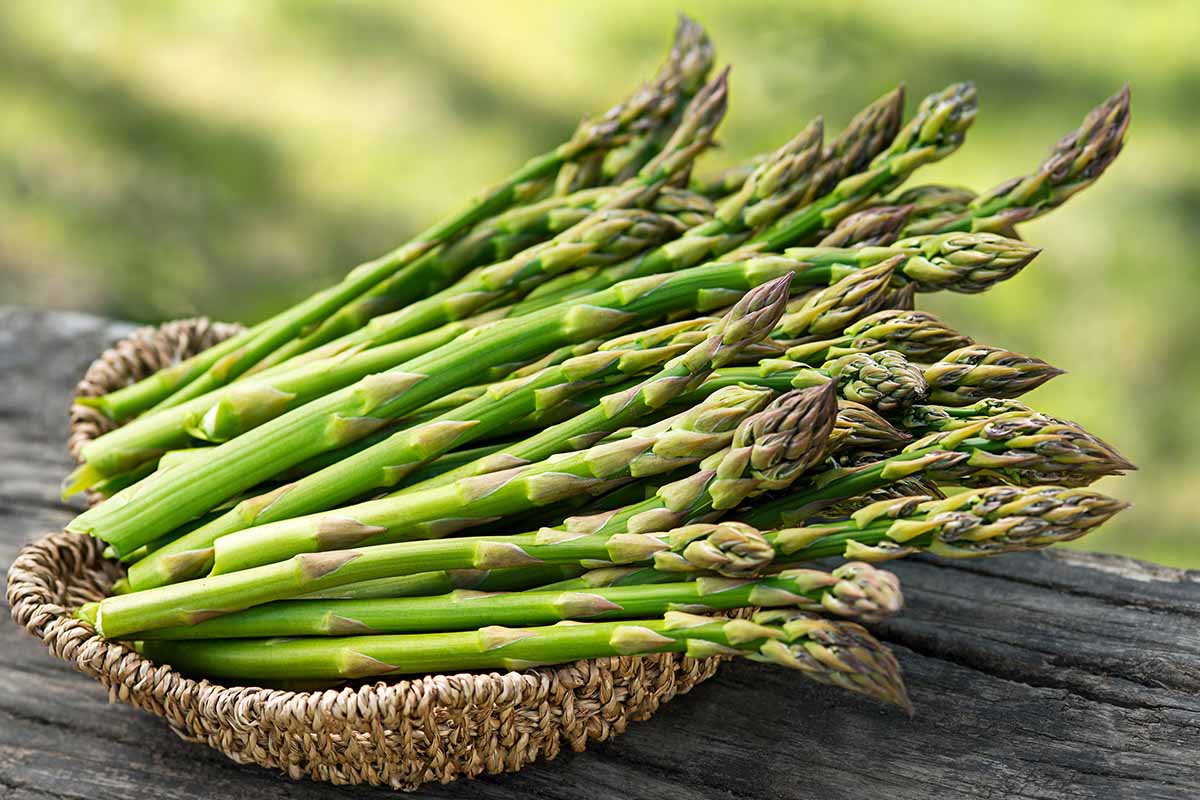
Asparagus – ~3 minutes
Maintains folate, vitamin K, and its natural diuretic effect. Longer cooking can concentrate sulfur notes and make it more fibrous to chew and digest.
-
Cabbage – ~5 minutes
Softens the tough fiber so it doesn’t ferment aggressively in the colon. Past this point, sulfur compounds dominate — more odor, more potential discomfort for sensitive guts. -
Peas – 1–2 minutes
They cook almost instantly. Short cooking preserves their protein, B vitamins, and gentle sweetness while making the skin easier to digest.
Why This Matters for Bloating
When vegetables cause discomfort, it usually doesn’t mean your body “can’t handle plants.” More often, it means:
-
fibers are too raw and ferment rapidly
-
FODMAPs (like raffinose, fructans) weren’t broken down enough
-
or, on the flip side, they were cooked so long that texture and key nutrients were lost
Cooking within the right window helps to:
-
reduce gas‑producing compounds
-
improve nutrient release and absorption
-
protect antioxidants and vitamins
-
preserve satisfying texture and flavor
-
support gut motility without overwhelming it
Once you start adjusting cooking times by vegetable — not just “cook until soft” — you’ll often notice:
-
less bloating
-
fewer “mystery” gas episodes after healthy meals
-
lighter, more comfortable digestion
All without changing what you eat — only how you cook it.