Most people think detox is something you “feel” — headaches, cravings, fatigue, irritability. In reality, the organ doing almost all of the detox work, your liver, is silent. It has no pain sensors. You don’t feel the overload directly. You only feel downstream symptoms: brain fog, slow digestion, afternoon crashes, skin issues, stubborn weight, and intense sugar cravings.
That’s why nutrition matters more than any 3‑day juice cleanse. Your liver filters roughly 1.4 liters of blood every minute and handles more than 500 metabolic jobs, from hormone regulation to energy production. To do that safely, it relies on a steady supply of sulfur compounds, antioxidants, soluble fiber, healthy fats, and key minerals and vitamins. The foods below are some of the most studied for supporting Phase 1 and Phase 2 liver detox pathways — the biochemical steps your body already uses to neutralize and eliminate toxins.
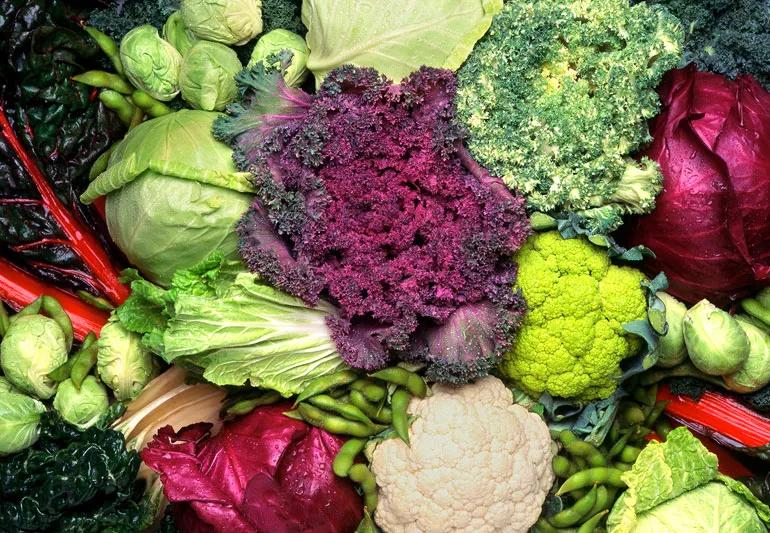 Cruciferous Vegetables: Turn On Detox Enzymes
Examples: broccoli, cauliflower, kale, Brussels sprouts, cabbage
Cruciferous vegetables are rich in glucosinolates, which your body converts into sulforaphane and related isothiocyanates. These compounds:
-
Upregulate Phase 2 detox enzymes (such as glutathione S‑transferases), helping the liver attach molecules to toxins so they can be excreted more safely.
-
Increase glutathione, often called the liver’s “master antioxidant,” which protects liver cells from oxidative damage.
-
Support estrogen metabolism by helping the body process and clear hormone metabolites through bile and urine.
Because of these effects, crucifers often form the backbone of evidence‑based “liver support” meal plans. Light steaming for a few minutes tends to preserve their active compounds while making them easier to digest.
Leafy Greens: Chlorophyll and Mineral Support
Examples: spinach, arugula, Swiss chard, dandelion greens
Leafy greens contribute in three key ways:
-
Chlorophyll may bind certain compounds and heavy metals in the gut, reducing how much reaches the liver.
-
Magnesium is required for hundreds of enzyme reactions, including many steps in Phase 1 and Phase 2 detox. Low magnesium is common in modern diets and can slow these pathways.
-
Nitrates (especially in arugula and spinach) support nitric oxide production and blood flow, helping nutrients reach the liver more efficiently.
People with sluggish digestion often notice less heaviness and more regular bowel movements within days of increasing their intake of dark greens, especially when combined with adequate water and fiber.
 Allium Family: Garlic and Onions as Sulfur Donors
Examples: garlic, onions, shallots, leeks
Allium vegetables are some of the richest dietary sources of organosulfur compounds (such as allicin and related metabolites). These compounds:
-
Support cytochrome P450 activity, which is part of Phase 1 detox (the step that modifies drugs, alcohol, and chemical compounds).
-
Provide sulfur needed to synthesize glutathione and other conjugation molecules in Phase 2 detox.
-
Show anti‑inflammatory and mild lipid‑lowering effects in many studies, indirectly easing liver stress.
Even 1–2 cloves of garlic a day (raw or lightly cooked) can shift markers like oxidative stress and certain inflammatory indicators over time. If you’re sensitive to raw garlic, start with well‑cooked forms.
Orange and Yellow Roots: Anti‑Inflammatory Liver Allies
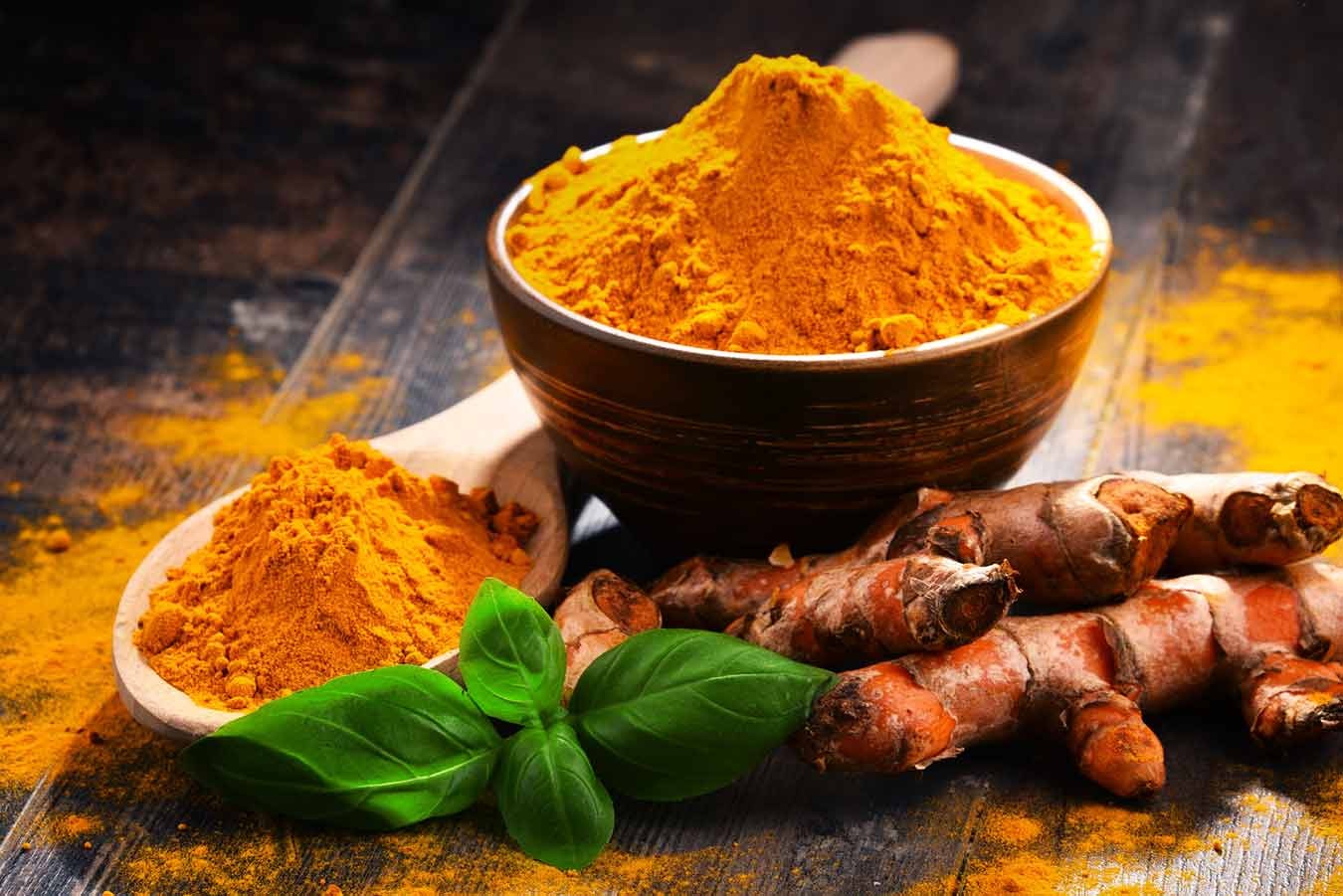
Examples: turmeric, carrots, sweet potatoes
These foods are rich in carotenoids (like beta‑carotene) and, in turmeric’s case, curcumin. Together they:
-
Help reduce fat accumulation in the liver, which is critical in non‑alcoholic fatty liver disease (NAFLD).
-
Lower inflammatory signaling pathways (such as NF‑κB), reducing ongoing liver irritation.
-
Support bile production and flow, which is essential for eliminating fat‑soluble toxins and metabolized hormones into the gut.
Curcumin in particular has been studied for improving liver enzyme patterns and imaging markers in people with early fatty liver. For better absorption, pair turmeric with black pepper and a fat source like olive oil or coconut milk.
Citrus Fruits: Phase 1 Support and Gentle Stimulation
Examples: lemons, limes, oranges, grapefruit
Citrus fruits contain vitamin C, d‑limonene, and flavonoids such as naringenin and hesperidin. These:
-
Support Phase 1 detox enzymes, helping convert many compounds into forms that can move into Phase 2.
-
Aid collagen synthesis, which benefits both skin and the integrity of the gut lining — important secondary “barriers” in the detox process.
-
Stimulate mild bile flow, especially when taken as warm lemon water in the morning or with meals.
Grapefruit deserves a special note: its furanocoumarins significantly affect certain drug‑metabolizing enzymes (CYP3A4 and others). That means it can raise or lower levels of medications. Anyone on prescription drugs should check with a clinician before regularly consuming grapefruit.
Antioxidant‑Dense Foods: Beets, Berries, and Apples
Beets
Beets are rich in betalains and other polyphenols that support methylation and Phase 2 conjugation processes. They’ve shown protective effects against oxidative stress in liver tissue and can assist bile flow.
Berries
Blueberries, raspberries, strawberries, and blackberries provide anthocyanins and other antioxidants that:
-
Reduce oxidative damage to liver cells.
-
Support endothelial (blood vessel) health, improving hepatic blood supply.
-
Feed beneficial gut bacteria that, in turn, reduce the production of certain liver‑burdening toxins.
Apples
Apples contribute pectin, a soluble fiber that acts like a gentle sponge. It:
-
Binds old bile acids, some cholesterol, and certain toxins in the gut.
-
Reduces their reabsorption back to the liver via enterohepatic recycling.
Regular intake of these foods helps spread detox load from liver to gut by enhancing elimination through stool.
Healthy Fats: Stabilizing Blood Sugar and Reducing Liver Fat
Examples: avocados, extra‑virgin olive oil, salmon, walnuts
These foods don’t “detox” the liver directly as much as they create a metabolic environment that protects it.
-
Avocados supply monounsaturated fats, fiber, and glutathione precursors that support both antioxidant capacity and insulin sensitivity.
-
Olive oil has been associated with improved liver enzymes, reduced liver fat, and lower inflammatory markers when used daily in place of refined oils. Its polyphenols add extra antioxidant defenses.
-
Salmon and other fatty fish provide EPA and DHA omega‑3s, which reduce triglycerides, liver fat, and systemic inflammation — key drivers of liver stress.
-
Walnuts offer polyphenols and arginine, which support nitric oxide production and detox enzyme activity, while also improving lipid profiles.
By stabilizing blood sugar and improving lipid handling, these fats reduce the high‑carb, high‑triglyceride burden that often pushes the liver into overload.
Detox‑Supporting Vegetables: Artichokes, Beets, Brussels Sprouts, Asparagus
-
Artichokes have compounds (like cynarin) that stimulate bile production and flow, improving fat digestion and the excretion of fat‑soluble wastes. Some studies show notable bile increases after artichoke extract.
-
Beets (again) support methylation and antioxidant defenses.
-
Brussels sprouts combine cruciferous benefits with additional fiber, supporting both detox enzymes and bowel movements.
-
Asparagus provides glutathione precursors and acts as a mild diuretic, supporting fluid balance and the removal of metabolic byproducts through urine.
Together, these help with the “downstream” side of detox: getting conjugated compounds out of your body in bile and urine instead of letting them recirculate.
Why These Foods Beat “Detox Cleanses”
Short cleanses and restrictive detox plans often:
-
Drop protein too low to fuel Phase 2 conjugation (which requires amino acids).
-
Spike or crash blood sugar with high‑fruit or juice‑only days.
-
Fail to provide enough sulfur, fiber, or healthy fat to move toxins all the way out.
Your liver doesn’t need to be flushed; it needs raw materials on a consistent basis:
-
sulfur (garlic, onions, crucifers, eggs, some proteins)
-
antioxidants (berries, beets, citrus, greens, herbs, spices)
-
soluble fiber (apples, oats, legumes, chia, some fruits)
-
healthy fats (olive oil, avocado, nuts, seeds, fatty fish)
-
B vitamins (whole grains, legumes, greens, animal products or fortified foods)
-
minerals like magnesium and zinc (leafy greens, nuts, seeds, beans, seafood)
These are the components your body uses daily to neutralize compounds, attach them to carriers, and eliminate them safely.
How to Build a Liver‑Supportive Plate (Simple Template)
You don’t need a complex protocol. Use a 3‑part structure for most main meals:
-
One cruciferous vegetable
-
e.g., broccoli, kale, cauliflower, cabbage, Brussels sprouts
-
Lightly steamed or sautéed to keep nutrients intact and aid digestion.
-
-
One fiber + antioxidant source
-
e.g., beets, berries, apples, carrots, sweet potatoes, leafy greens
-
Aim for color — red, purple, orange, and dark green.
-
-
One healthy fat
-
e.g., avocado, extra‑virgin olive oil, salmon, sardines, walnuts, seeds
-
Use enough to feel satisfied but not weighed down.
-
Example day:
-
Breakfast:
-
Oats cooked with chia seeds, topped with berries and a few walnuts.
-
-
Lunch:
-
Large salad with mixed greens, shredded cabbage, broccoli florets, grated carrot, chickpeas, and olive‑oil–lemon dressing.
-
-
Dinner:
-
Baked salmon with a side of roasted Brussels sprouts and sweet potato wedges, plus a small beet and apple salad with lemon.
-
Layer in garlic, onions, turmeric, and green tea where it fits your taste.
The Bottom Line
Detox is not a dramatic event you “go on” for three days. It’s a continuous, quiet process your liver manages every minute — as long as it has the right building blocks.
Instead of chasing extreme cleanses, focus on eating like a liver ally:
-
more crucifers and leafy greens
-
more colorful roots, fruits, and antioxidant‑rich plants
-
more healthy fats and adequate protein
-
more soluble fiber to carry waste out
Small, consistent choices like these do far more for true detoxification than any short‑term reset — and they protect your energy, hormones, skin, and metabolism in the process.