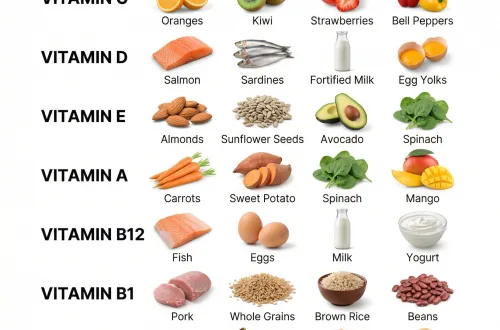
Tired, heavy eyes aren’t always just a “screen problem.” Often, they’re a nutrition problem. The retina, tear glands, and optic nerve burn through very specific vitamins, pigments, and fats all day. When those run low, you feel it as eye strain, dryness, light sensitivity, and that “old eyes by 5 p.m.” feeling.
The good news: you can quietly refill those nutrients with simple foods, not expensive supplements. Here are 12 eye-supporting foods and a practical way to use them in daily meals — in under 800 words.
12 Foods That Support Tired, Dry, Overworked Eyes
-
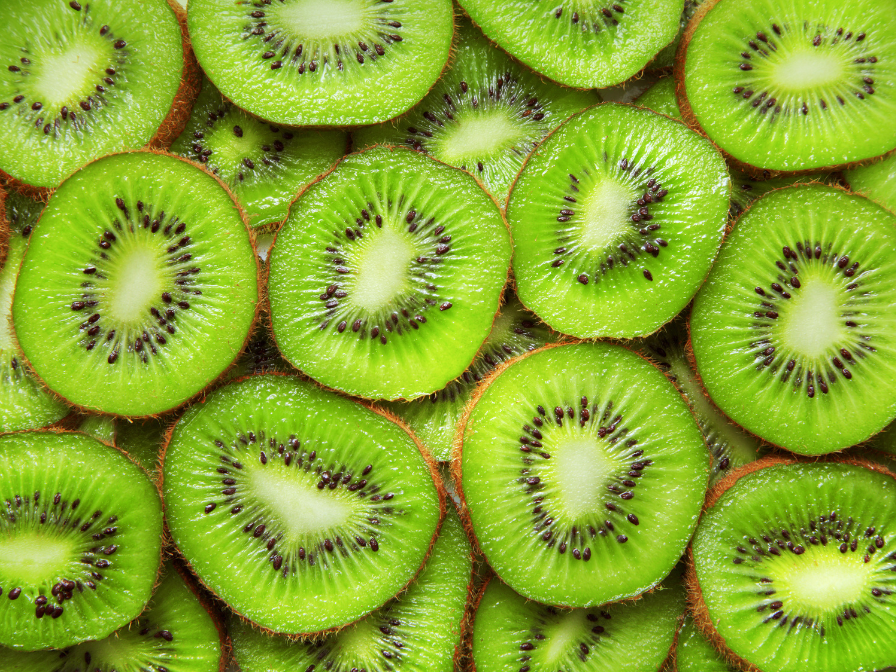
Kiwi
Kiwi is rich in vitamin C and also provides some lutein. Vitamin C supports tiny blood vessels around the eye and helps maintain collagen in the cornea, while lutein contributes to antioxidant protection at the back of the eye.
-
Spinach
Spinach is one of the best sources of lutein and zeaxanthin — the yellow pigments that concentrate in the macula, the part of the retina responsible for sharp detail. These pigments help filter blue light and reduce oxidative stress from long hours on screens. -
Oranges (and other citrus)
Citrus fruits provide a strong dose of vitamin C, which helps keep capillaries in and around the eyes healthy and supports overall antioxidant defenses. Regular vitamin C intake is associated with healthier eye tissues over time. -
Salmon
Salmon supplies EPA and DHA omega‑3 fats that support tear production and tear film quality. This can ease dryness, burning, and that gritty feeling many people get in air‑conditioned offices or after long screen sessions. -
Almonds
Almonds are rich in vitamin E, a fat‑soluble antioxidant that protects the fatty membranes of eye cells from oxidative damage. Long term, adequate vitamin E is linked with slower age‑related decline. -
Carrots
Carrots contain beta‑carotene, which your body converts into vitamin A. Vitamin A is essential for night vision and for maintaining a healthy, moist surface of the eye. Low vitamin A is a classic cause of dry, irritated eyes. -
Pumpkin
Pumpkin combines several eye‑friendly carotenoids at once: beta‑carotene, lutein, and zeaxanthin. This makes it a convenient way to support both night vision and protection of the central retina.

-
Bell Peppers
Red and yellow bell peppers contain more vitamin C per gram than oranges. That vitamin C helps strengthen capillaries, may reduce redness, and supports collagen in the eye’s supporting structures. -
Avocado
Avocado doesn’t just add calories; it brings healthy fats that improve absorption of fat‑soluble carotenoids like lutein and zeaxanthin from the rest of your meal. In other words, it helps your body actually use the pigments in spinach, kale, or pumpkin. -
Blueberries
Blueberries are rich in anthocyanins, dark purple antioxidants that support microcirculation — including to the eyes. Some research links anthocyanin intake with reduced eye fatigue and better tolerance to prolonged visual tasks.

-
Eggs
Egg yolks contain highly bioavailable lutein and zeaxanthin, plus choline for nerve signaling. Because these pigments are already packaged in fat, your body absorbs them very efficiently, making eggs a compact “eye nutrient” package. -
Walnuts
Walnuts supply plant‑based omega‑3s, vitamin E, and polyphenols that support tear film stability and help lower low‑grade inflammation. This can be helpful for people with dry, irritated eyes or those in dry indoor environments.
How to Actually Use This List (Without Overthinking)
You don’t need all 12 foods every day. A simple pattern works better than trying to be perfect. Use this easy formula for your main meals:
At each meal, aim for:
-
1 fruit
-
kiwi, orange, or a handful of blueberries
-
-
1 leafy or carotenoid‑rich vegetable
-
spinach, carrots, pumpkin, or bell peppers
-
-
1 source of healthy fat or protein
-
salmon, eggs, avocado, almonds, or walnuts
-
Some real‑life examples:
-
Breakfast
-
Omelet with spinach and bell peppers, plus a kiwi
-
Yogurt with blueberries and chopped almonds
-
-
Lunch
-
Salad with mixed greens, grated carrot, avocado, and boiled egg
-
Whole‑grain bowl with salmon, spinach, and roasted pumpkin
-
-
Dinner
-
Baked salmon with carrot and pumpkin, side of orange slices
-
Stir‑fried vegetables (including peppers and carrots) with tofu or egg, walnuts sprinkled on top
-
If you work long hours on a screen, it’s especially helpful to:
-
Include at least one omega‑3 source (salmon, walnuts) most days.
-
Get lutein + zeaxanthin from spinach, eggs, or pumpkin several times a week.
-
Keep vitamin C and E coming from citrus, kiwi, bell peppers, almonds, and seeds.
The Bottom Line
Eye drops and blue‑light filters help, but they can’t replace what your eye tissues are made from. Your eyes continually use up antioxidants, pigments, and healthy fats to stay clear, moist, and comfortable.
By slipping a few of these foods into each meal, you’re not “biohacking” your vision — you’re simply giving your eyes the raw materials they quietly need every single day. Over time, that can mean less end‑of‑day strain, fewer dry‑eye episodes, and more comfortable focus, even when life keeps you in front of a screen.