Cheese Lovers: A Quick Calorie Guide!
For many of us, cheese is more than just a food; it’s a culinary delight that adds flavor, texture, and satisfaction to countless meals. Whether it’s a sharp cheddar on a sandwich, creamy brie on a cracker, or grated Parmesan over pasta, cheese holds a special place in our hearts and on our plates. But if you’re mindful of your nutritional intake, especially calories, you might wonder how your favorite varieties fit into a balanced diet.
At Wellness Daily, we believe in enjoying all foods in moderation. Understanding the nutritional profile of what you eat empowers you to make informed choices. This guide is designed for all cheese lovers who want to navigate their options for a balanced diet without sacrificing taste. Let’s dive into the world of cheese and its calorie content!
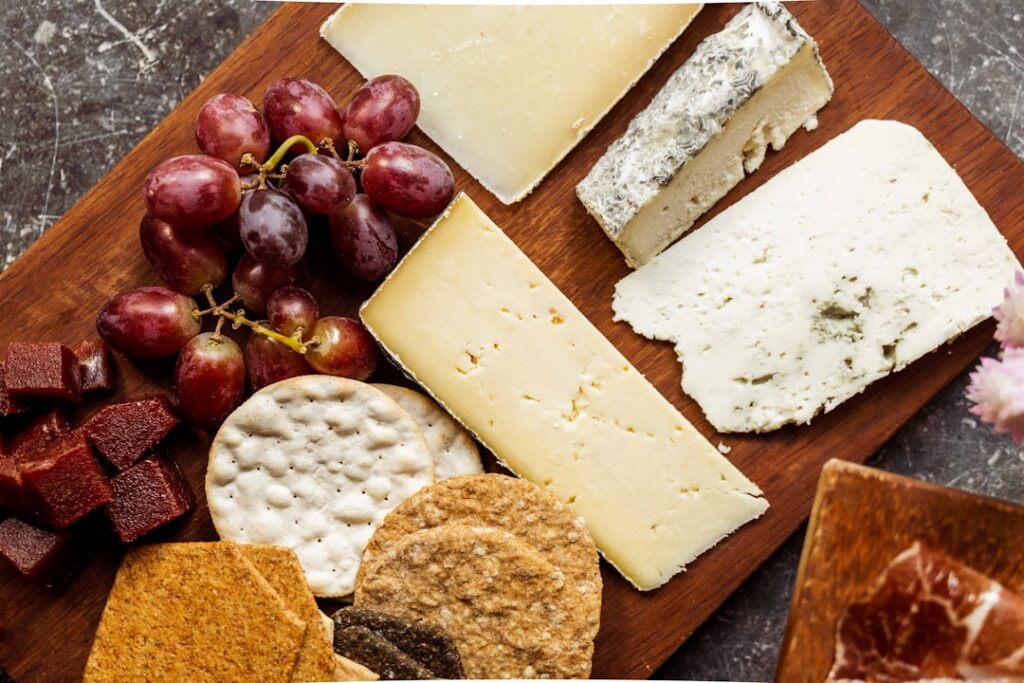
Understanding Cheese Calories
The calorie content in cheese can vary significantly depending on several factors:
- Fat Content: Cheese is made from milk, and the fat content of the milk (whole, skim, or reduced-fat) directly influences the final calorie count. Higher fat generally means higher calories.
- Moisture Content: Softer, higher-moisture cheeses (like cottage cheese or fresh mozzarella) typically have fewer calories per serving than harder, lower-moisture cheeses (like Parmesan), as water adds volume without calories.
- Aging Process: As cheese ages, it loses moisture and becomes more concentrated, which can lead to a higher calorie density per gram for aged varieties compared to their younger counterparts.
Remember, calories are a measure of energy, and cheese also provides essential nutrients like protein, calcium, and often vitamins A and B12.
Popular Cheeses and Their Calorie Content (Approximate per 1-ounce serving)
Here’s a quick overview of the approximate calorie content for some common cheese types. Please note that values can vary slightly by brand and specific preparation.
Soft Cheeses
- Brie: Around 95-100 calories. Known for its creamy texture and mild, buttery flavor.
- Feta: Approximately 75-80 calories. A tangy, salty cheese often used in salads.
- Goat Cheese (Chèvre): Roughly 75-80 calories. Distinctive tart flavor, excellent in salads or with fruit.
- Fresh Mozzarella: About 70-80 calories. A mild, milky cheese, great in Caprese salads.
- Ricotta (Part-Skim): Around 40-50 calories per ounce. A softer, lighter option often used in Italian dishes.
Semi-Hard Cheeses
- Cheddar: Approximately 110-120 calories. A widely loved cheese with a range of sharpness.
- Swiss: Around 100-110 calories. Features a nutty, slightly sweet flavor with characteristic holes.
- Provolone: About 100 calories. A versatile Italian cheese, often used in sandwiches.
- Monterey Jack: Roughly 100-110 calories. Mild and buttery, known for its melting qualities.
Hard Cheeses
- Parmesan (Parmigiano-Reggiano): Approximately 110-120 calories. A salty, intensely flavored cheese, often grated over dishes.
- Pecorino Romano: Around 110-120 calories. A hard, salty Italian cheese made from sheep’s milk.
Sources for nutritional data often include USDA FoodData Central and brand-specific information.
Tips for Enjoying Cheese in a Balanced Diet
You absolutely can enjoy cheese as part of a healthy lifestyle! Here’s how:
- Practice Portion Control: A standard serving size for most cheeses is about 1 ounce (roughly the size of your thumb or four dice). Being mindful of your portions is key to managing calorie intake.
- Pair with Healthy Foods: Enjoy cheese with fresh fruits, vegetables, or whole-grain crackers. This adds fiber and nutrients, making your snack more satisfying.
- Choose Wisely: If you’re looking to reduce calories, opt for lower-fat versions of your favorite cheeses or naturally lower-calorie options like fresh mozzarella or ricotta.
- Read Labels: Nutrition labels provide precise calorie counts and other valuable information like fat and sodium content.
- Savor Each Bite: Eating slowly and mindfully can help you appreciate the flavor and texture of cheese, leading to greater satisfaction with smaller portions.
Delicious Ways to Incorporate Cheese
Looking for creative ways to enjoy cheese while keeping your diet balanced? Here are a few ideas:
- Veggie & Cheese Skewers: Alternate cherry tomatoes, cucumber chunks, and small cubes of feta or fresh mozzarella.
- Cheese & Apple Slices: A classic pairing that offers a satisfying crunch and creamy texture.
- Omelets or Scrambles: A sprinkle of cheddar or goat cheese can elevate your morning eggs.
- Salad Topping: Instead of heavy dressings, a small amount of crumbled feta or shaved Parmesan can add a burst of flavor to your greens.
Cheese is a delicious and nutritious food that can certainly be part of a balanced and healthy eating plan. The key is understanding its nutritional profile and enjoying it in moderation.
Which cheese can’t you live without? Share your top pick and your favorite way to enjoy it in the comments below!
Disclaimer:
The information provided in this article is for educational purposes only and is not intended as a substitute for professional medical advice, diagnosis, or treatment. Always seek the advice of your physician or other qualified health provider with any questions you may have regarding a medical condition or before making any dietary changes.