If you feel tired after sweating, get random headaches, crave salty foods, or feel “off” after a workout, it might not be a motivation problem. It can be an electrolyte problem.
Electrolytes help your body hold onto water and keep your nerves and muscles firing smoothly. When they run low, you can drink plenty of water and still feel drained.
Most people never realize this works because hydration is not only about water. It is about minerals that help water get used properly.
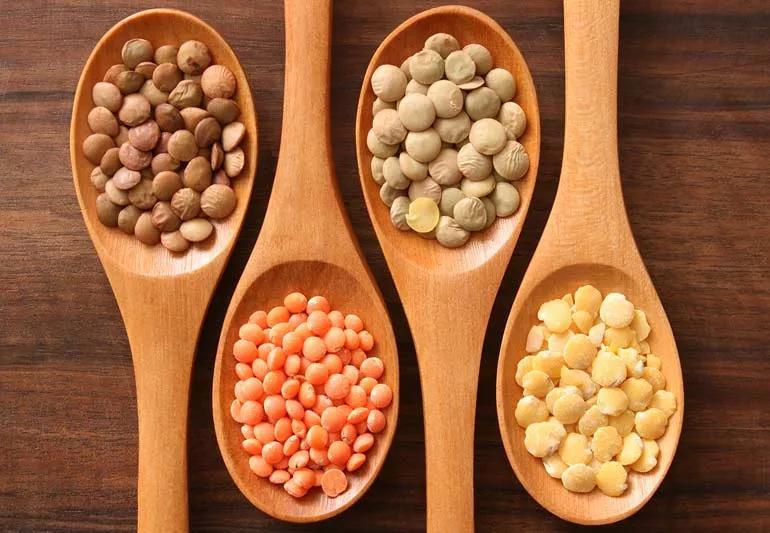
1. Lentils (Magnesium)
Lentils are a steady source of magnesium, which supports muscle relaxation and helps your body manage stress and energy production.
How to eat them:
- Cook lentils into soups and stews for a comforting meal.
- Toss cooked lentils into salads for extra texture and protein.
- Blend lentils into a thicker curry-style dish.
2. Oats (Magnesium)
Oats provide magnesium and are a gentle, easy breakfast that supports consistent energy, especially on active mornings.
How to eat them:
- Make oatmeal and top it with fruit for a simple start.
- Stir oats into yogurt for a thicker snack.
- Use oats in homemade energy bites when you need something quick.
3. Dark Chocolate (Magnesium)
Dark chocolate can contribute magnesium in a satisfying way, especially when you want something sweet without going overboard.
How to eat it:
- Enjoy a small square after a meal.
- Add shaved dark chocolate to oats for a better flavor.
- Pair it with fruit for a balanced snack.
4. Coconut Water (Potassium)
Coconut water is popular for a reason. It can provide potassium, which supports fluid balance and helps muscles contract normally.
How to use it:
- Drink it chilled after sweating.
- Blend it into smoothies instead of plain water.
- Use it as a light hydration option during hot days.
5. Cantaloupe (Potassium)
Cantaloupe is naturally hydrating and provides potassium, which helps your body manage water balance and supports steady muscle function.
How to eat it:
- Eat it as a snack on warm days.
- Add cantaloupe to a fruit bowl for easy prep.
- Blend it into a light smoothie if chewing feels heavy.

6. Swiss Chard (Potassium)
Swiss chard offers potassium and brings a mineral-rich boost to meals without needing a complicated recipe.
How to eat it:
- Sauté Swiss chard with garlic and add it to rice.
- Stir it into soups near the end so it softens quickly.
- Add it to egg dishes for an easy upgrade.
7. Seaweed (Sodium)
Seaweed can be a natural source of sodium, which helps your body retain fluid and supports nerve signaling. It is especially relevant when you sweat heavily.
How to eat it:
- Use seaweed as a crunchy side snack.
- Add seaweed sheets to simple rice bowls.
- Crumble it lightly over meals for flavor.
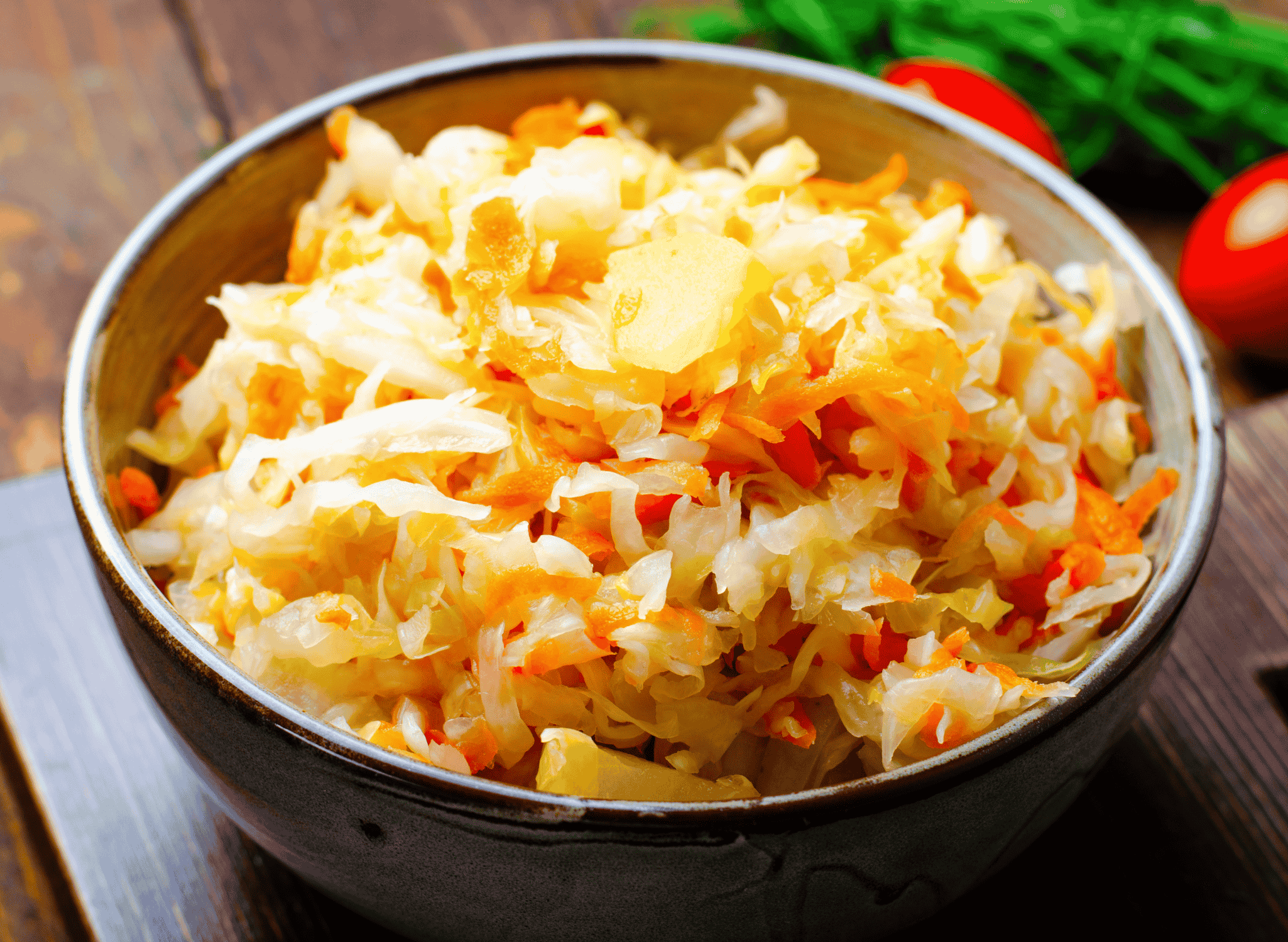
8. Sauerkraut/ Pickles (Sodium)
Sauerkraut/Pickles contains sodium and can add a tangy punch to meals. Many people also like it because it makes simple plates taste more interesting. It’s naturally high in sodium, which can be helpful after workouts or heavy sweating.
How to eat it:
- Add a small spoonful to meals as a topping.
- Pair it with cooked foods for a contrast in texture.
- Use it in a sandwich or bowl for extra flavor.
9. Soy Sauce (Sodium)
Soy sauce is a common sodium source that makes food taste satisfying fast. This can be helpful if you are trying to eat more at home and want flavor without complicated sauces.
How to use it:
- Add a small splash to stir-fries and soups.
- Mix it with citrus for a simple dressing.
- Use it lightly to avoid going too salty.
10. Sea Salt
Sea salt is a direct source of sodium, which helps your body hold onto water and maintain fluid balance.
How to use it:
Add a small pinch to meals or homemade drinks when you have been sweating or feeling depleted. A little goes a long way, so keep it light.
11. Lemons
Lemons provide potassium in small amounts and support hydration by making water easier to sip consistently. They also add vitamin C, which supports recovery.
How to use it:
Squeeze lemon into water, drizzle over potatoes, or stir into Greek yogurt for a bright flavor boost.
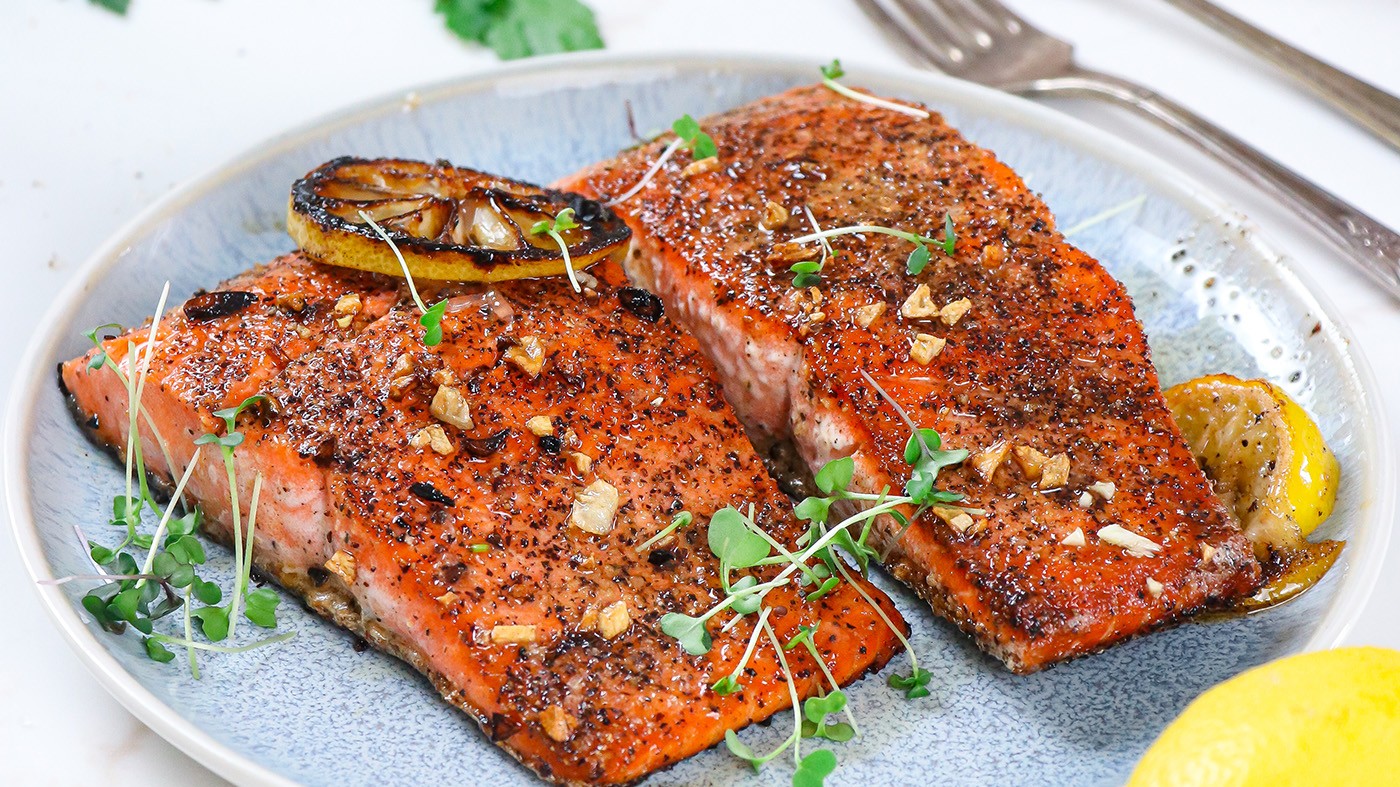
12. Wild Salmon
Wild salmon supports electrolyte balance with potassium and also provides protein and healthy fats that help you stay satisfied and recover better.
How to use it:
Build a hydration-supportive meal by pairing salmon with potatoes or white beans. That combination helps you replenish both fluids and minerals.
13. Greek Yogurt
Greek yogurt contains calcium and potassium, plus protein that supports muscle recovery and steady energy.
How to use it:
Eat it at breakfast, blend into a smoothie, or use it as a creamy base for savory bowls. It is a great option when you need hydration support without extra sugar.
14. Potatoes
Potatoes are a strong source of potassium, which is one of the most important electrolytes for fluid balance and muscle function.
How to use it:
Bake, boil, or roast potatoes and add a small pinch of sea salt. This is one of the simplest “food-based electrolyte” meals you can make.
15. White Beans
White beans provide potassium and magnesium, and their fiber supports steady digestion. They also help keep you full, which can reduce snack cravings that come from dehydration.
How to use it:
Add them to soups, mash them into a spread, or mix into warm bowls. They are especially useful when you want electrolytes with long-lasting fullness.
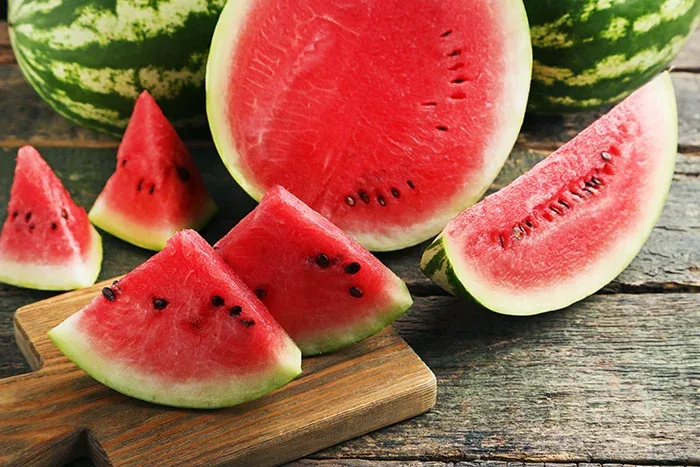
16. Watermelon
Watermelon is hydrating because it is water-rich and includes potassium. It also feels light and refreshing when you are not in the mood for heavy foods.
How to use it:
Snack on chilled slices or enjoy it after being outside in the heat. It pairs well with a salty meal when you want balance.
17. Olives
Olives provide sodium and healthy fats, which can support satiety and make meals feel more satisfying.
How to use it:
Add a small handful to salads, snack plates, or quick lunches. They are a simple “salty electrolyte” option that travels well.
18. Avocado
Avocado is rich in potassium and also offers healthy fats that support steady energy and better satisfaction after meals.
How to use it:
Add to toast, bowls, or yogurt-based meals. It is especially helpful when your cravings feel intense, because fat and potassium together can be calming.