When your chest feels tight, mucus lingers, or a simple cold turns into weeks of throat clearing, it can feel frustrating and never-ending. Your lungs and airways are sensitive to dry air, smoke, allergens, and even stress. The good news is that gentle herbal support can make your breathing feel more comfortable over time.
Most people never realize this works because “lung support” is not about one perfect herb. It is about choosing the right herb for the symptom you feel most, and using it consistently in simple ways.
1. Peppermint (Soothes Muscles)
Peppermint is loved for its cooling feel and its ability to help the body relax. When your airways feel tense or irritated, soothing support can make breathing feel smoother.
How to use it:
You can sip peppermint tea after meals or in the evening. You can also inhale the steam from a warm cup for a few minutes if your nose feels blocked.
2. Mullein (Clears Mucus)
Mullein is often used when mucus feels “stuck.” It is a classic herb for people who feel congested in the chest and want gentle help clearing things out.
How to use it:
You can steep mullein as tea, then strain it well through a fine filter or cloth so the tiny hairs do not irritate your throat.
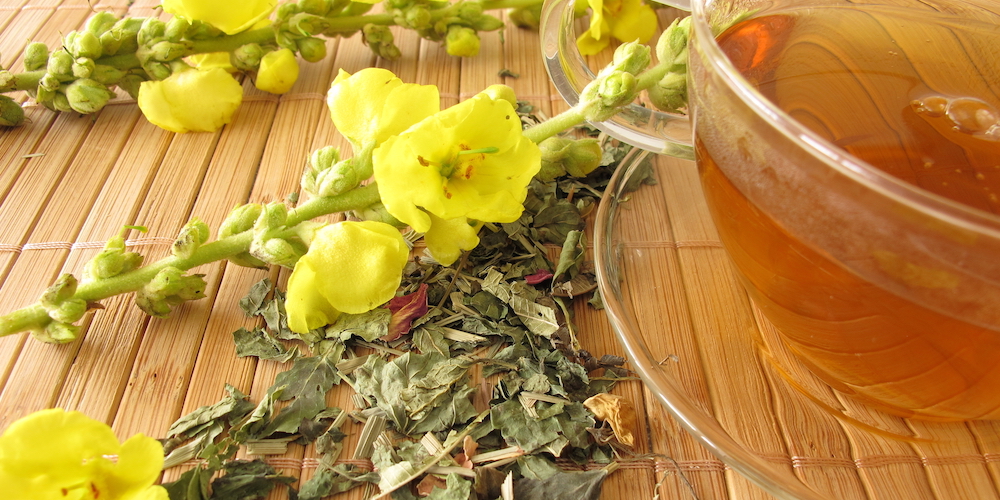
3. Tulsi (Anti-Inflammatory)
Tulsi, also called holy basil, is known for calming the body under stress. When your system is inflamed from allergies, pollution, or seasonal changes, tulsi can be a supportive daily herb.
How to use it:
You can drink tulsi tea in the morning or early afternoon. Many people like it during high-stress weeks when breathing feels tight.
4. Elderberry (Fights Viruses)
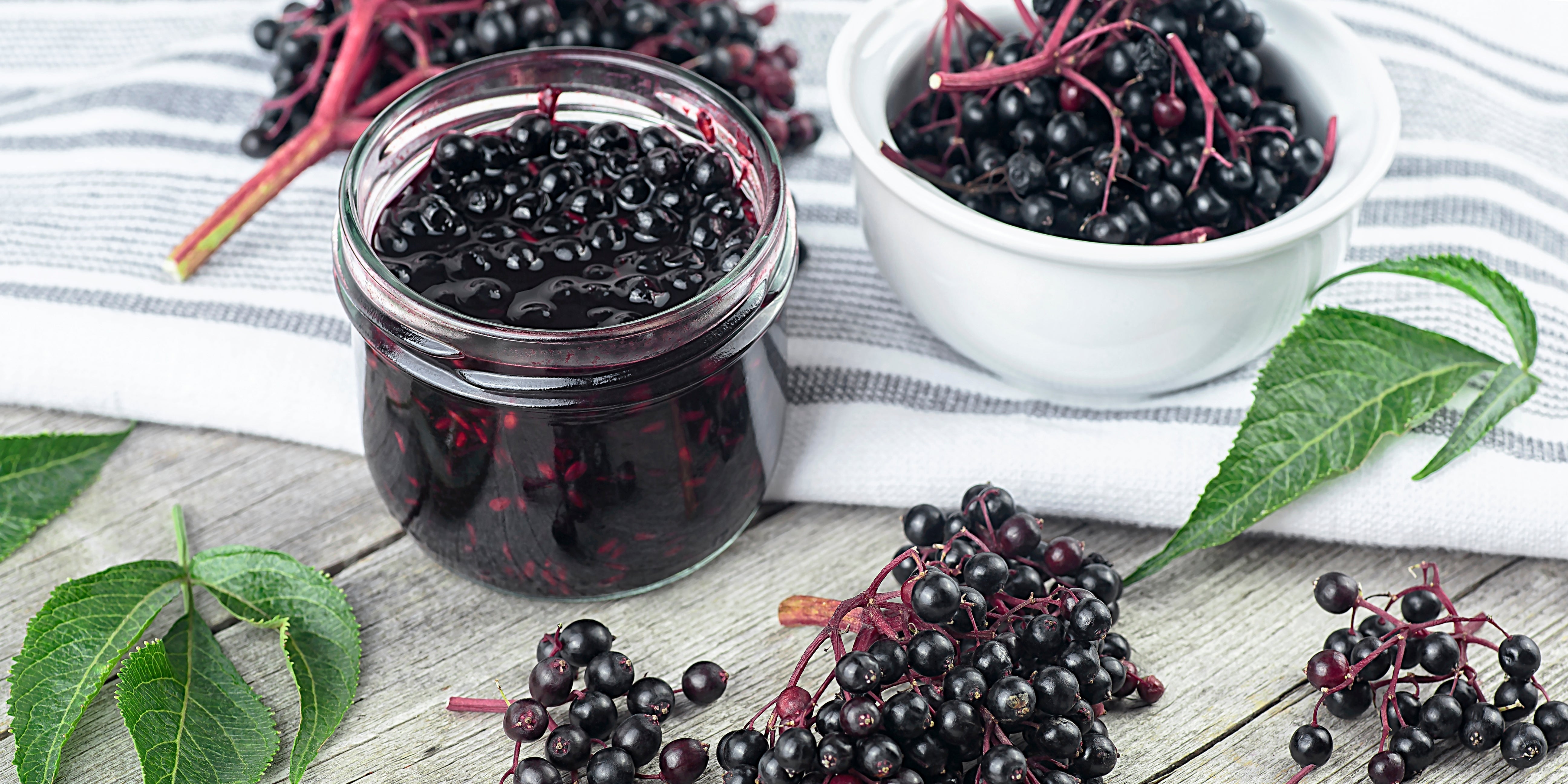
Elderberry is commonly used for seasonal immune support. When you feel run down, it is often chosen to support the body’s natural defenses.
How to use it:
You can take elderberry as a syrup or tea during seasonal shifts. You can also keep it short-term rather than using it nonstop all year.
5. Echinacea (Boosts Immunity)
Echinacea is another immune-focused herb. People often reach for it at the first sign of a scratchy throat or when they have been exposed to bugs going around.
How to use it:
You can use echinacea tea or tincture for short periods. Many people prefer it in “bursts,” such as a few days at a time.
6. Licorice (Soothes Throat)
Licorice is known for coating and soothing the throat. If coughing leaves your throat raw, this herb can feel comforting.
How to use it:
You can drink licorice root tea after a coughing spell or before bed. You can also combine it with ginger tea for added warmth, if tolerated.
7. Cardamom (Protects Tissues)
Cardamom is a warming spice that feels gentle and supportive, especially when breathing discomfort comes with cold, damp weather or digestive heaviness.
How to use it:
You can simmer a few pods in tea, add it to warm milk, or use it in oatmeal. Many people enjoy it as a daily “maintenance” herb.

8. Ginger (Clears Airways)
Ginger is warming and stimulating, which is why it is often used when you want your airways to feel more open. It is also helpful when mucus feels thick or when your chest feels heavy.
How to use it:
You can steep fresh ginger slices in hot water for 10 minutes. You can also add ginger to soups and broths during cold season.
Quick Safety Notes
Herbs are powerful, even when they are natural.
- Licorice can raise blood pressure in some people, especially if used often or in large amounts.
- Echinacea may not be a good fit for everyone with autoimmune conditions.
- If you are pregnant, breastfeeding, or taking prescription medications, you should check with a clinician or pharmacist before using concentrated herbal products.
If you have chest pain, severe shortness of breath, blue lips, coughing up blood, or symptoms that worsen fast, you should seek urgent medical care.
Final Takeaway
Your lungs love warmth, hydration, and consistency. Choose two herbs from this list that match your symptoms, use them simply for a week, and notice what changes.
Save this guide if you want to try it later, and share it with someone who needs gentle breathing support today.