High blood pressure often feels invisible, until it is not. Many people focus only on food, but what you drink every day can quietly push your numbers up or help bring them down.
The good news is that a few simple drinks can support hydration, blood vessel function, and heart-friendly nutrients. Most people never realize this matters because thirst and blood pressure do not always feel connected.
Here are the best drinks for high blood pressure, plus easy ways to use them consistently.
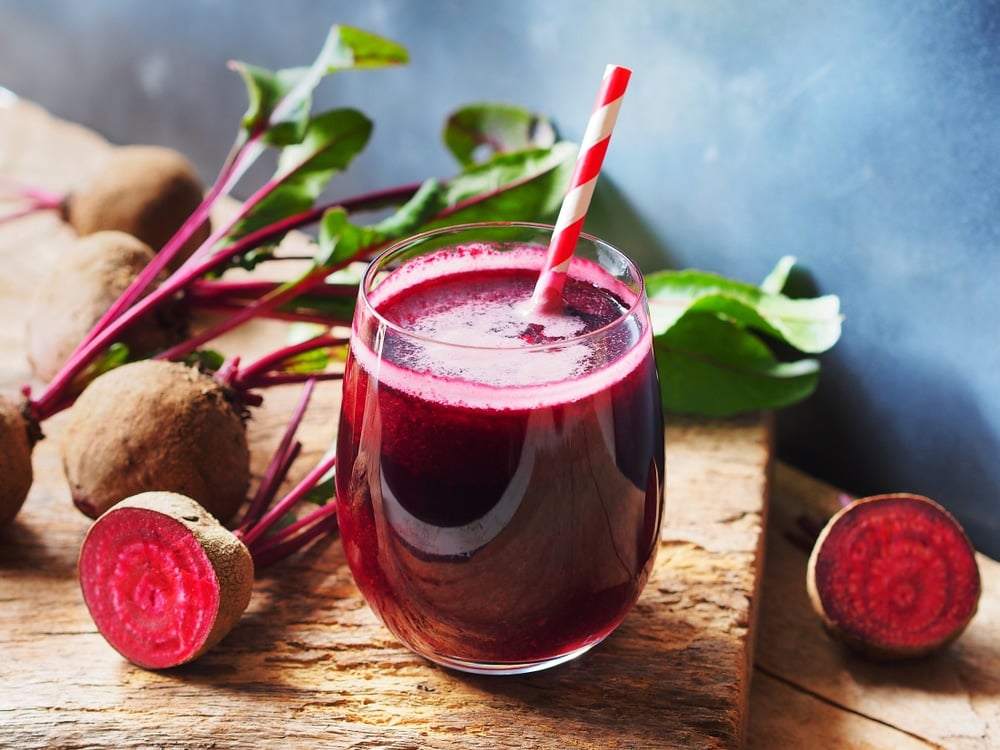
1. Beetroot juice
Beetroot juice naturally contains nitrates that your body can convert into nitric oxide, which supports healthier blood flow.
How to use it: Drink a small glass in the morning or 30–60 minutes before a walk. Choose unsweetened beet juice when possible.
2. Hibiscus tea
Hibiscus tea is popular for supporting healthier blood pressure because it can encourage gentle relaxation of blood vessels.
How to use it: Steep 5–10 minutes and drink warm or chilled. Keep it unsweetened or lightly sweetened.
3. Pomegranate juice
Pomegranate juice provides antioxidants that support the lining of blood vessels and overall circulation.
How to use it: Use a small serving and dilute it with water if you prefer. Choose 100% juice with no added sugar.
4. Green tea
Green tea supports heart health through plant compounds that may help blood vessel function and reduce oxidative stress.
How to use it: Drink 1–2 cups daily. If you are sensitive to caffeine, choose earlier in the day.
5. Low-fat milk
Low-fat milk provides minerals such as calcium and potassium that support normal blood pressure regulation.
How to use it: Add a glass with breakfast or blend into a smoothie. Choose unsweetened options and watch flavored varieties.
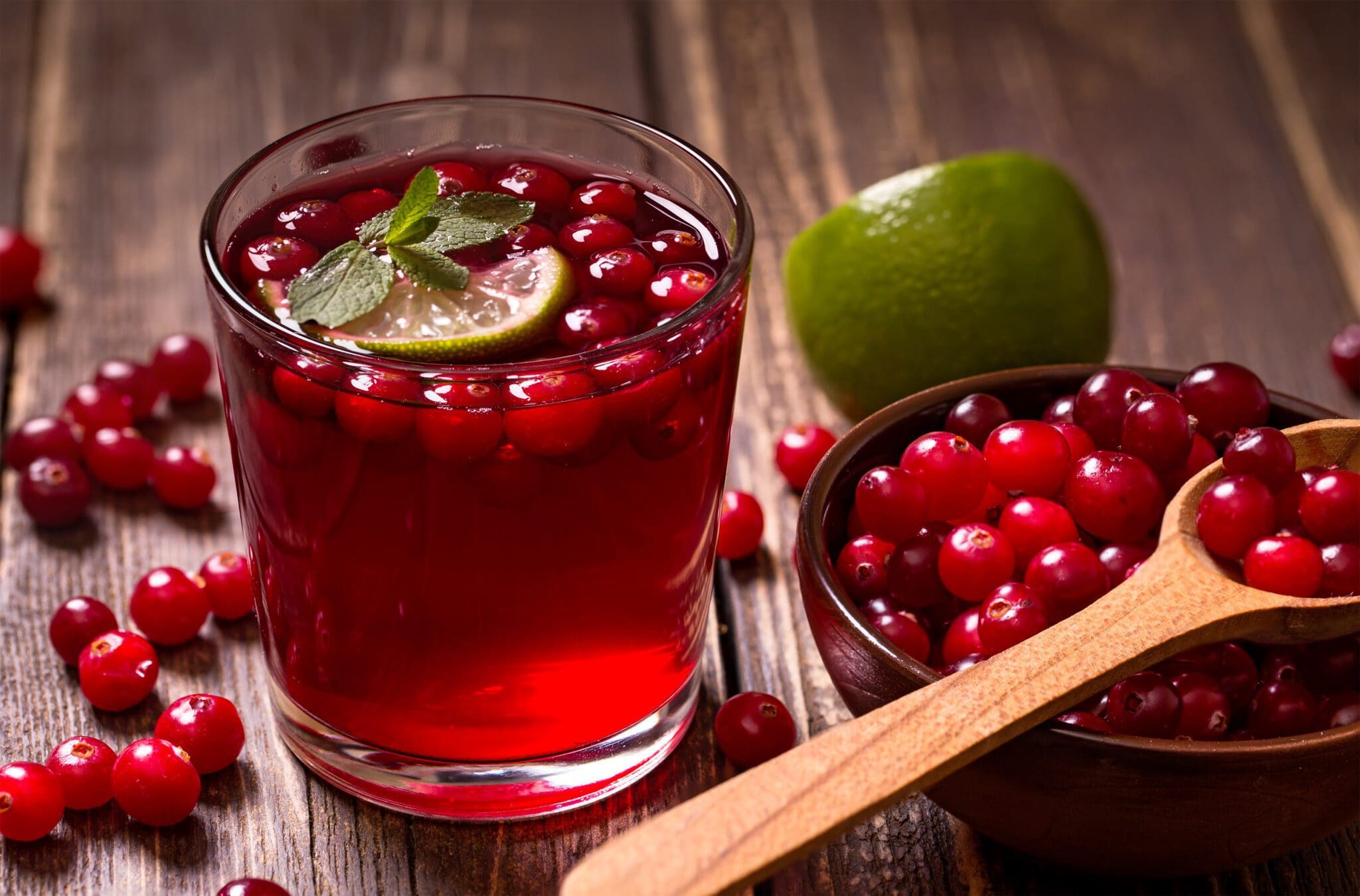
6. Cranberry juice
Cranberry juice contains helpful plant compounds that support circulation and overall cardiovascular wellness.
How to use it: Pick unsweetened cranberry juice or low-sugar versions. A small serving is usually enough.
7. Warm lemon water
Warm lemon water supports hydration first, which is a big deal for blood pressure. It can also help some people start the day with less bloating and better routine.
How to use it: Sip it slowly in the morning. Use fresh lemon and keep it gentle if you have reflux.
8. Tomato juice
Tomato juice contains potassium and protective plant compounds, but it works best when it is not loaded with sodium.
How to use it: Choose low-sodium tomato juice. You can also blend tomatoes at home for a fresher option.
9. Coconut water & electrolytes
Coconut water provides electrolytes, including potassium, which can support fluid balance and healthier blood pressure.
How to use it: Use a small glass after sweating or during hot days. Choose plain coconut water without added sugar.
10. Plain water
Plain water is still one of the most important “blood pressure drinks” because it supports healthy circulation and helps your body manage sodium balance.
How to use it: Sip steadily through the day instead of chugging all at once.
How to Build a Daily Drinking Routine
You do not need all 10 drinks every day. A realistic goal is to pick 2–4 options and repeat them consistently.
Here is a simple daily flow:
- Morning: Warm lemon water or plain water.
- Mid-morning: Green tea or hibiscus tea.
- Lunch: Plain water, plus tomato juice if it is low-sodium.
- Afternoon: Beetroot juice or diluted pomegranate juice a few times per week.
- After activity: Coconut water & electrolytes when you sweat.
- Evening: Plain water, and keep caffeine earlier in the day.
When You’ll Notice Changes
Set realistic expectations so you stay encouraged.
- Within 1–3 hours: Better hydration can reduce headaches and “tight” feelings for some people.
- Within 3–7 days: Many people notice less puffiness and steadier energy when they replace sugary drinks with water or tea.
- Within 2–4 weeks: If paired with lower sodium meals, daily movement, and consistent sleep, readings often become more stable.

Tips to Combine Them Effectively
- Choose unsweetened versions whenever possible, because added sugar can work against your goal.
- Pair supportive drinks with a short walk, because movement helps the body use nitric oxide and improves circulation.
- Track your blood pressure at the same time each day for a clearer trend, not just one random reading.
Safety Notes
These drinks can support healthy habits, but they are not a replacement for prescribed treatment.
- If you take blood pressure medication, talk with a clinician before using large amounts of hibiscus tea or beetroot juice, because they can lower pressure further in some people.
- If you take blood thinners, be cautious with frequent cranberry juice and check for medication interactions.
- If you have kidney disease or you take ACE inhibitors or potassium-sparing diuretics, be careful with high-potassium drinks like coconut water and sometimes tomato juice.
- If you have reflux or sensitive teeth, go easy with lemon water and consider using a straw.
Final takeaway
The best drinks for high blood pressure are often simple: water, smart teas, and mineral-rich juices in the right portions. Consistency matters more than perfection.
Save this guide if you want to try it later, and share it with someone who is working on their blood pressure today.