Stress is not just “in your head.” It is chemistry. It is wiring. And what you eat quietly decides whether your nervous system keeps spinning — or finally feels safe enough to slow down.
Below are foods that don’t erase stress, but help your body handle it: supporting cortisol balance, calming overactive nerves, and rebuilding what chronic stress depletes.
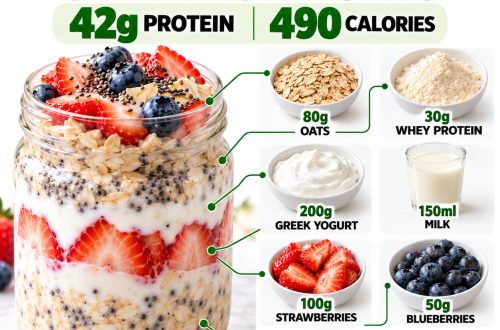
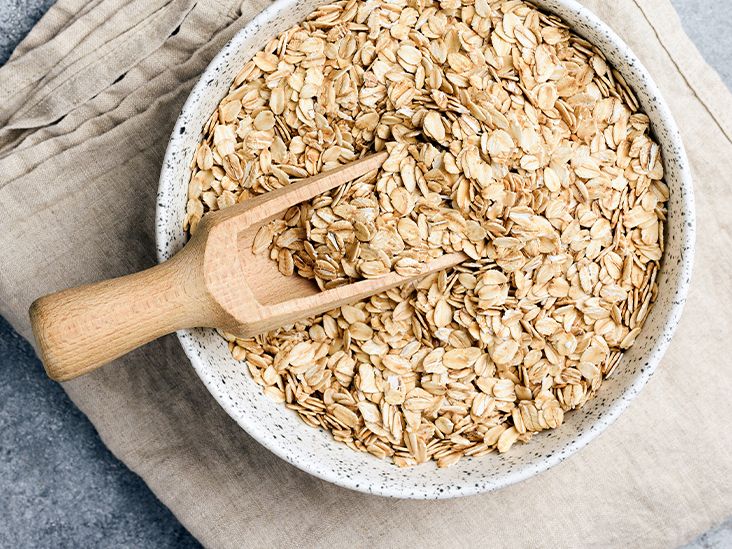
1. Oats – The Cortisol Leveler
-
Keep blood sugar stable, which prevents the sharp cortisol spikes that make you feel wired, shaky, or on edge.
-
Provide building blocks for serotonin, the neurotransmitter that supports calm, mood stability, and better sleep.
Especially powerful for people whose stress shows up as fatigue, irritability, or energy crashes.
2. Bananas – The Gentle Mood Buffer
-
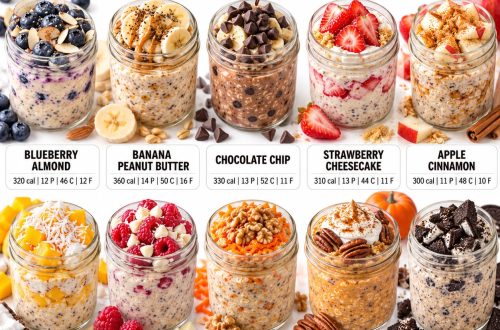
Rich in vitamin B6 and magnesium, both essential for healthy nerve signaling.
-
Support serotonin production while helping muscles and the nervous system relax.
Ideal when stress shows up as restlessness, nervous energy, or “tired but tense.”
3. Dark Chocolate – The Controlled Indulgence
-
High-cocoa dark chocolate (70%+) contains flavonoids that protect the brain from oxidative stress caused by chronic pressure.
-
Gently supports serotonin activity, creating a mild, comforting lift in mood.
Best kept to 20–30 g: enough to soothe, not overstimulate.
4. Blueberries – Brain Fog Rescue
-
Packed with antioxidants that shield brain cells from stress-related damage.
-
Support faster cognitive recovery after intense focus, deadlines, or information overload.
Perfect for work-driven, mental-exhaustion stress.
5. Spinach – The Nerve Soother
-
A natural magnesium source, one of the most common minerals depleted by chronic stress.
-
Magnesium helps calm overactive nerve firing, making it easier to feel less irritable, jumpy, or wound up.
Helpful when stress is tangled with tension, headaches, or trouble winding down.

6. Salmon – Deep Nervous System Repair
-
Rich in omega-3 fatty acids that reduce neuroinflammation linked to mood swings and stress sensitivity.
-
Support more stable emotional regulation and better sleep depth and quality.
A key food when stress feels “heavy,” emotional, and long-term.
7. Plain Yogurt – Gut-First Stress Support
-
Nourishes the gut microbiome, which directly influences serotonin and stress responses via the gut–brain axis.
-
Over time, a healthier gut can lower baseline, background stress levels.
Most useful when stress is chronic, low-grade, and tied to digestion or mood.

8. Almonds – The Pocket-Sized Calm
-
Provide magnesium plus healthy fats that support steady energy and nerve stability.
-
Help reduce muscle tightness and keep stress from escalating when blood sugar dips.
A powerful “buffer snack” for busy, high-pressure days.
9. Chamomile – The Brake Pedal
-
Enhances GABA activity, the neurotransmitter that tells the nervous system, “You can slow down now.”
-
Especially helpful for stress that shows up as racing thoughts at night or difficulty falling asleep.
Best used as a steady evening ritual rather than a one-time fix.
10. Pumpkin Seeds – Small but Hormone-Heavy
-
High in magnesium and zinc, both essential for balanced stress-hormone production and recovery.
-
Zinc shortages are linked with anxiety, fatigue, and feeling easily overwhelmed.
A simple sprinkle that supports deeper resilience over time.
11. Avocado – The Steady-Energy Fat
-
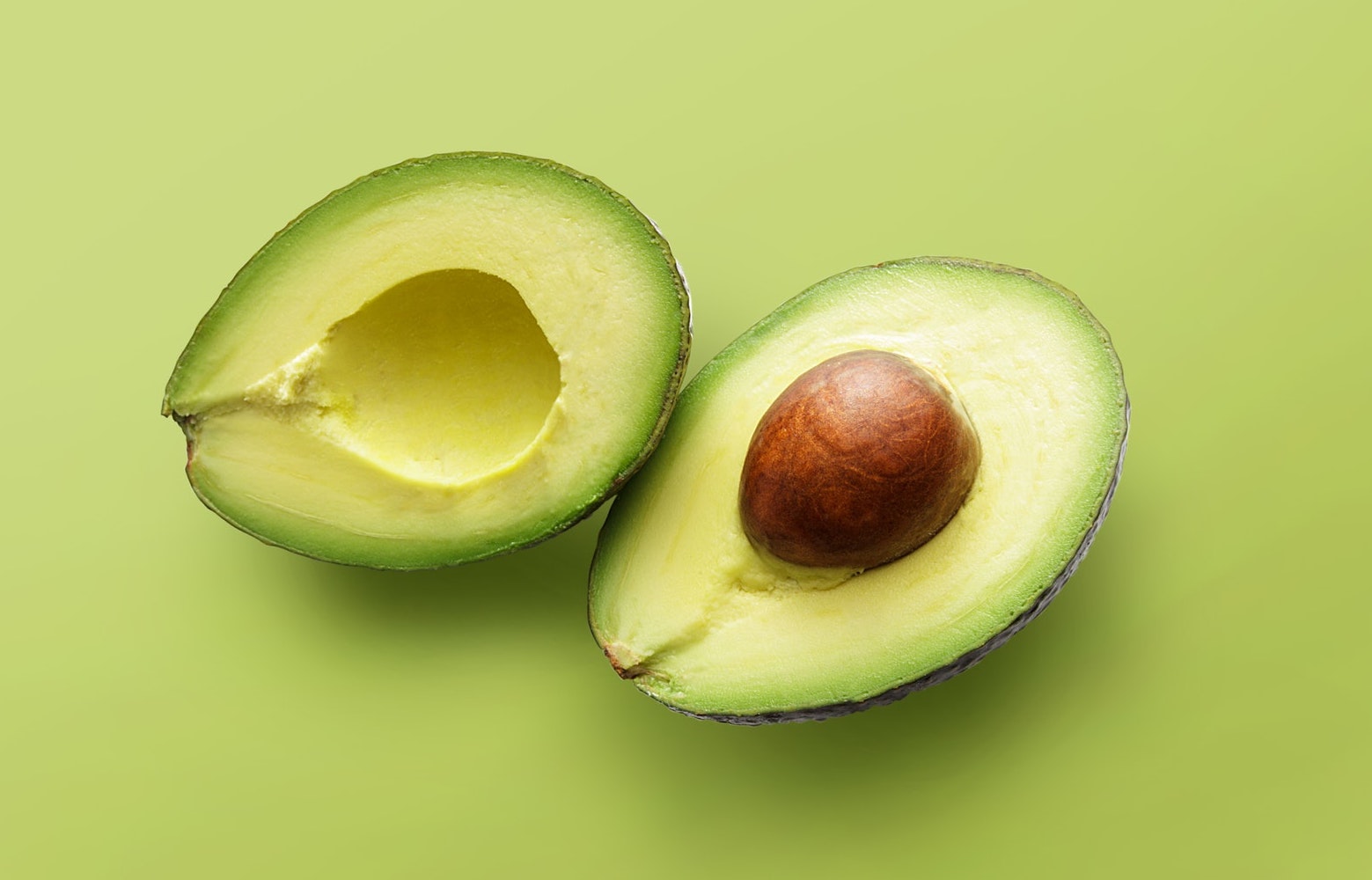
Healthy fats help stabilize hormones and keep blood sugar from crashing, which prevents stress signals from constantly firing.
-
Especially helpful when stress comes with low energy, brain fog, or mid-day crashes.
Great in meals where you want long-lasting calm energy, not spikes and crashes.
12. Eggs – Nervous System Rebuilder
-
Provide choline and B vitamins, both crucial for neurotransmitter production and nerve communication.
-
Support recovery of a nervous system that has been under long-term, chronic stress.
Valuable when you feel “burnt out” rather than just temporarily stressed.
How to Make These Foods Actually Work
These foods help when they show up on your plate every day, not once in a while. To support your nervous system:
-
Build meals with complex carbs + protein + healthy fats (for example: oats + yogurt + almonds; eggs + avocado + spinach).
-
Eat regularly to avoid big blood sugar drops that trigger cortisol surges.
-
During high-stress phases, avoid long fasting windows that leave your brain running on empty.
Key Insight:
Chronic stress is often not a motivation problem. It is a biology problem — a shortage of the nutrients your brain and hormones need to self-regulate. If stress feels constant, it might not be your willpower that’s failing. It might be your nervous system asking for better fuel.