Welcome, fellow garden enthusiasts! Have you ever wondered what truly makes a garden thrive, yielding those beautiful, bountiful harvests we all dream of? While good sunlight and proper watering are crucial, there’s one unsung hero beneath your feet that plays the most vital role: your soil! Understanding your soil and matching it with the right crops is the secret to unlocking your garden’s full potential.
At Garden – L. Quyên, we believe that gardening should be a joyous and rewarding experience, not a frustrating one. If you’ve struggled with plants that just won’t grow, or harvests that fall short, poor soil might be the culprit. But don’t worry, we’re here to guide you through the wonderful world of soil and help you cultivate a garden that flourishes!
Why Your Soil is the Foundation of a Bountiful Harvest
Think of soil as the pantry for your plants. It’s where they get their water, nutrients, and the support they need to stand tall. Healthy soil is teeming with beneficial microorganisms, essential minerals, and organic matter, all working together to create an optimal environment for roots to grow and plants to thrive. Neglect your soil, and even the most expensive seeds might struggle.
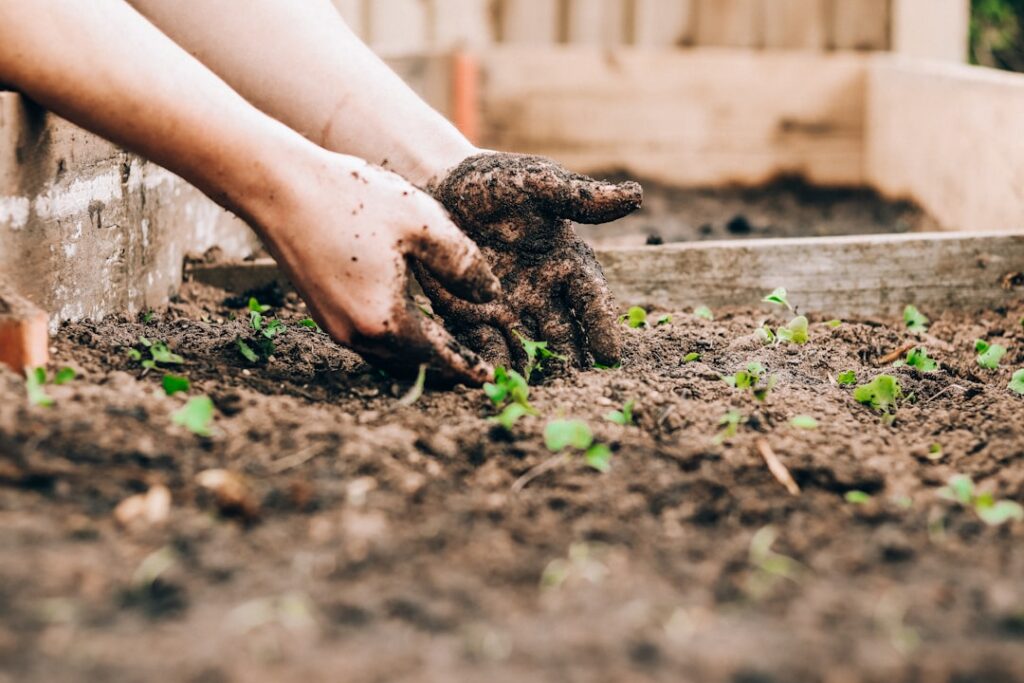
[IMAGE PLACEHOLDER: Close-up of rich, dark, healthy garden soil with a gardener’s hand gently sifting it, showing good texture and a small sprout emerging.]
Understanding Different Soil Types: What’s Under Your Feet?
Not all soil is created equal! Knowing your soil type is the first step to becoming a successful gardener. Here are the most common types you’ll encounter:
1. Sandy Soil
- Characteristics: Gritty texture, drains very quickly, warms up fast in spring.
- Pros: Easy to work with, good for root crops.
- Cons: Poor at retaining water and nutrients.
- Ideal for: Carrots, radishes, potatoes, asparagus, corn, lettuce.
2. Clay Soil
- Characteristics: Heavy, sticky when wet, hard when dry, drains slowly, rich in nutrients.
- Pros: Excellent at retaining water and nutrients.
- Cons: Can become waterlogged, difficult to work, compacts easily.
- Ideal for: Broccoli, cabbage, beans, peas, leafy greens, most fruit trees.
3. Silt Soil
- Characteristics: Smooth, powdery texture when dry, slippery when wet, good drainage and water retention.
- Pros: Fertile, holds moisture well, easy to cultivate.
- Cons: Can compact if not managed well.
- Ideal for: Most vegetables and flowers thrive in silt, especially gourds, squash, and root vegetables.
4. Loam Soil: The Gardener’s Dream!
- Characteristics: A balanced mix of sand, silt, and clay; crumbly texture, drains well but retains moisture and nutrients.
- Pros: The ideal soil for most plants, rich in organic matter, easy to work.
- Cons: Can be hard to find naturally, often requires amendment.
- Ideal for: Almost all vegetables, fruits, and flowers.
5. Chalky Soil
- Characteristics: Light-colored, stony, alkaline, free-draining.
- Pros: Drains well.
- Cons: Can be nutrient-deficient, high pH can affect nutrient availability for some plants.
- Ideal for: Cabbage, broccoli, beets, sweet peas, lavender.
Matching Your Crops to the Perfect Soil
Once you know your soil type, you can choose plants that will naturally thrive in it or amend your soil to suit a wider variety of crops. Here’s a general guide:
- Root Vegetables (Carrots, Potatoes, Radishes): Prefer loose, well-drained soil (sandy or loamy) to allow roots to expand easily. Heavy clay soil can stunt their growth.
- Leafy Greens (Lettuce, Spinach, Kale): Thrive in rich, moisture-retentive soil (loamy or clay-loamy) with plenty of organic matter.
- Fruiting Plants (Tomatoes, Peppers, Berries): Generally prefer rich, well-drained loamy soil that holds consistent moisture and nutrients.
- Flowers: Most flowers are quite adaptable, but a good quality loamy soil amended with compost will encourage vibrant blooms.
Improving Your Garden Soil for a Bountiful Harvest
Even if you don’t have perfect loam, you can significantly improve your existing soil! This is where the real magic of gardening happens.
1. Add Organic Matter Consistently
This is the golden rule of soil improvement! Incorporating compost, well-rotted manure, or leaf mold into your garden beds:
- Improves drainage in clay soil.
- Increases water retention in sandy soil.
- Adds essential nutrients for all soil types.
- Boosts beneficial microbial activity.
2. Conduct a Soil Test
A soil test will give you a precise understanding of your soil’s pH level and nutrient deficiencies. Local agricultural extensions or garden centers often offer this service. Knowing your soil’s specific needs helps you amend it accurately.
3. Practice Mulching
Applying a layer of organic mulch (like straw, wood chips, or shredded leaves) around your plants helps conserve soil moisture, regulate soil temperature, suppress weeds, and slowly adds organic matter as it breaks down.
4. Avoid Compaction
Try not to walk on your garden beds, especially when the soil is wet. Compaction reduces air circulation and makes it difficult for roots to grow and water to penetrate.
Ready to Cultivate Your Dream Garden?
By taking the time to understand and nurture your soil, you’re investing in the health and productivity of your entire garden. It’s a journey of learning and discovery, but one that promises the incredible reward of fresh, homegrown produce and a beautiful, vibrant space.
What’s your soil type, and what crops are you excited to grow this season? Share your thoughts and tips in the comments below! Happy gardening from Garden – L. Quyên!