If you keep hearing the word “polyphenols” and assume it is just another health trend, you are not alone. But these plant compounds are actually one of the most practical “everyday upgrades” you can make for your energy, digestion, skin, and long-term health.
Polyphenols are found in colorful plants and certain drinks, and they help your body handle oxidative stress. They also feed healthy gut bacteria, which is a big reason people feel better when they eat more plants.
Most people never realize this works because they focus only on vitamins and protein. Polyphenols are like the quiet helpers that support your system behind the scenes.
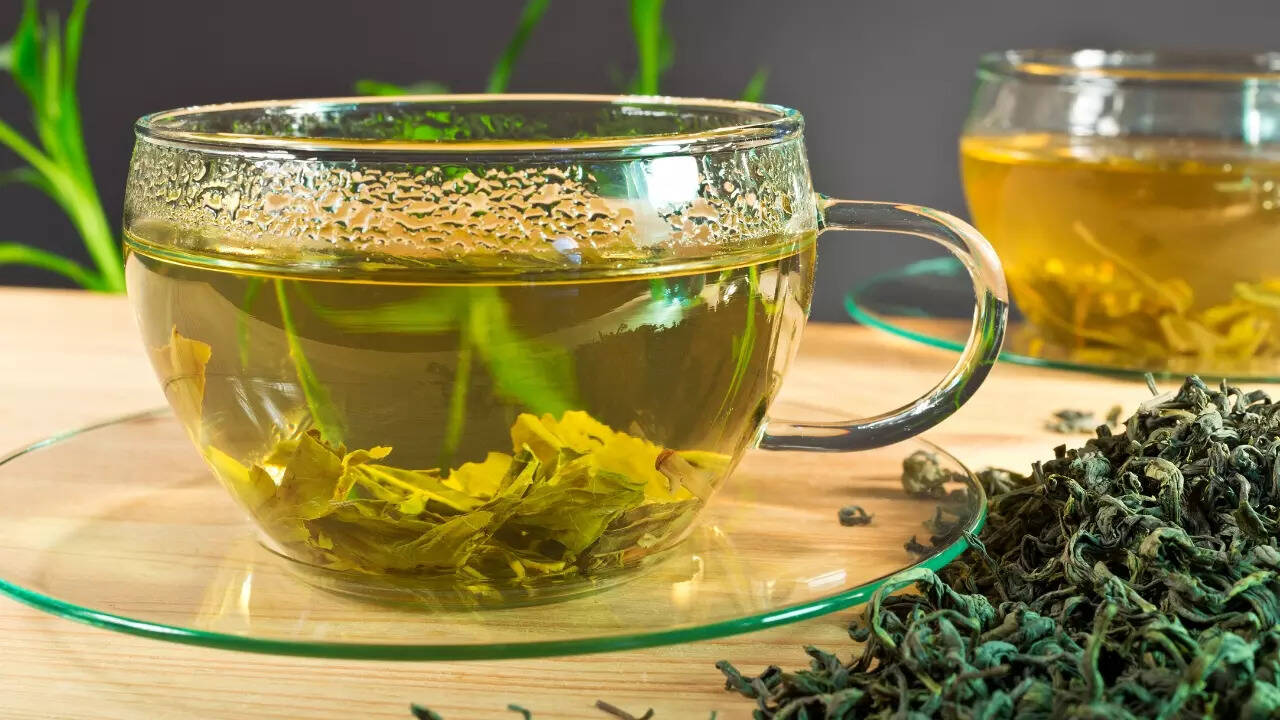
1) Green tea (catechin antioxidants)
Green tea is rich in catechins, which are antioxidant compounds linked with cell protection and heart support.
How to add it:
- Drink 1 cup in the morning or early afternoon.
- Brew for 2 to 3 minutes so it stays smooth, not bitter.
2) Dark chocolate (70%) (flavanols)
Dark chocolate contains flavanols that support blood flow and may help with brain and heart health when eaten in small portions.
How to add it:
- Enjoy 1 to 2 small squares after lunch.
- Choose 70% or higher for better polyphenol content.
3) Olive oil (phenolic compounds)
Extra virgin olive oil contains phenolic compounds that support healthy inflammation levels and heart health.
How to add it:
- Drizzle on cooked vegetables after heating.
- Use in salad dressing with lemon or vinegar.
4) Blueberries (anthocyanins)
Blueberries contain anthocyanins, the deep blue pigments linked with brain and blood vessel support.
How to add it:
- Add to yogurt, oatmeal, or smoothies.
- Keep it simple: a handful a day is enough.
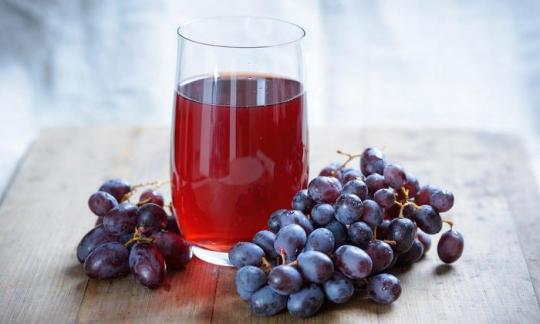
5) Red grapes (resveratrol)
Red grapes contain resveratrol, a polyphenol often connected with healthy aging support.
How to add it:
- Eat as a snack with nuts for balance.
- Add to fruit bowls instead of sugary desserts.
6) Coffee (polyphenol dense drink)
Coffee is naturally polyphenol-rich, especially when you skip heavy sugar syrups.
How to add it:
- Drink 1 cup earlier in the day.
- Pair with breakfast to reduce jitters.
7) Apples (skin-based polyphenols)
Most apple polyphenols live in the skin, so whole apples matter more than juice.
How to add it:
- Eat the apple with the peel on.
- Slice into nut butter or plain yogurt.
8) Onions (quercetin rich)
Onions are rich in quercetin, a polyphenol connected to immune support and inflammation balance.
How to add it:
- Add to soups, stir-fries, eggs, and salads.
- Light cooking keeps the taste gentle but still useful.
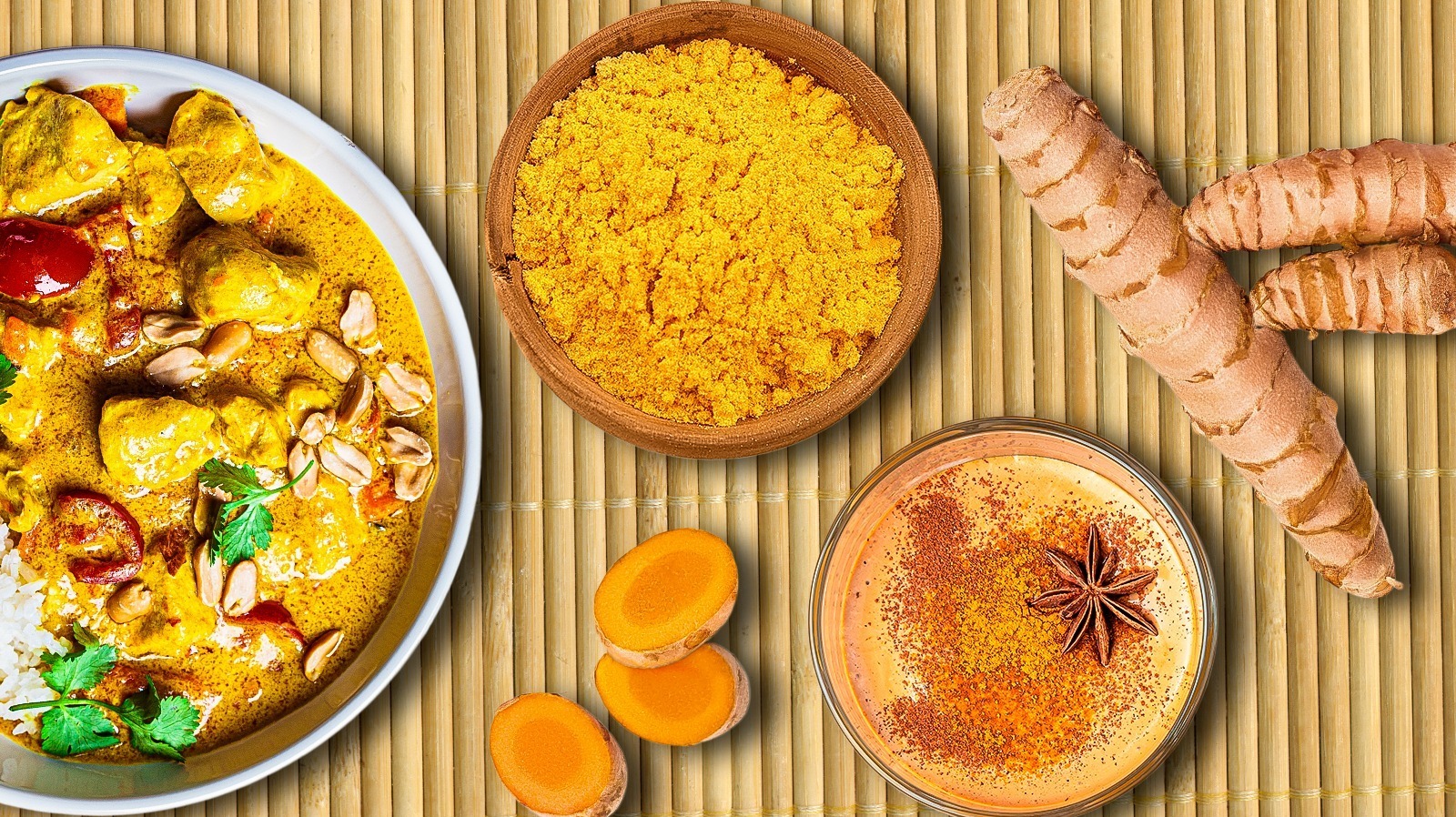
9) Turmeric (curcuminoids)
Turmeric contains curcuminoids, which are widely used for joint comfort and overall inflammation support.
How to add it:
- Stir into soups, rice, lentils, or scrambled eggs.
- Mix into warm drinks if you enjoy golden-style tea.
How to Build a Daily Plate Using These Foods
You do not need all 9 every day. A realistic goal is 3 to 5 daily, rotating across the week.
A simple day could look like:
- Morning: Coffee or green tea
- Breakfast: Oatmeal with blueberries
- Lunch: Salad with olive oil + onions
- Snack: Apple with the skin + a few red grapes
- Dinner: Turmeric in soup or rice
- Treat: Dark chocolate (70%) in a small portion
This is how polyphenols become a habit instead of a project.
When You’ll Notice Changes
Polyphenols work best through consistency, not intensity.
- Within 1 to 3 days: Many people notice less bloating and steadier energy, especially if these foods replace sugary snacks.
- Within 2 to 3 weeks: Digestion and skin often look clearer, and cravings may calm down.
- Within 6 to 8 weeks: You may notice better recovery, improved mood stability, and stronger “everyday stamina,” especially with good sleep.
Tips to Combine Them Effectively
- Pair polyphenol foods with protein to support blood sugar balance.
- Keep added sugar low so inflammation does not cancel out the benefits.
- Use olive oil as your daily base and rotate fruits, tea, and spices.
- If caffeine affects your sleep, stop coffee and green tea after early afternoon.
Quick Safety Notes
- Sensitive to caffeine? Choose smaller portions or switch to green tea.
- Turmeric food amounts are usually safe, but high-dose supplements may not be right for everyone.
- Dark chocolate is beneficial, but it is still calorie-dense, so portion size matters.
Final Takeaway
Polyphenols are one of the easiest ways to support healthy aging because they come from foods that are enjoyable and familiar. Start with one or two, then slowly build your routine.
Save this guide if you want to try it later.