Your immune system does not live in pills.
It lives in your daily meals, your habits, and the nutrients you give your body consistently.
Many people believe immunity is something you “boost” only when you feel sick. In reality, immune strength is built quietly, day by day, from real foods that nourish your cells, gut, and inflammatory balance.
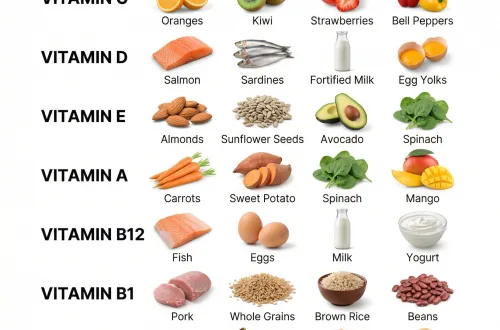
The image highlights whole foods that support immune function naturally, without extreme cleanses or supplements. Once you understand why each one matters, it becomes easier to build a plate that works for you.
Why Food-Based Immunity Matters
Your immune system depends on:
- Protein to build immune cells
- Antioxidants to reduce oxidative stress
- Minerals and vitamins to regulate immune signaling
- A healthy gut to coordinate immune responses
Pills cannot replace these foundations. Food delivers nutrients in a form your body recognizes and absorbs more efficiently.
1. Garlic
Garlic contains sulfur compounds that support immune signaling and antioxidant activity.
It has been traditionally used to:
- Support immune defense during seasonal changes
- Help the body manage inflammation
- Support gut and respiratory wellness
How to use it:
Crush or chop garlic and let it sit for 5–10 minutes before cooking. This activates beneficial compounds. Add it to soups, stir-fries, or warm oil.
2. Mushroom
Mushrooms contain beta-glucans, which are known to support immune cell communication.
They help:
- Train immune cells to respond appropriately
- Support gut-immune balance
- Provide vitamin D-like compounds (especially when exposed to light)
How to use them:
Sauté mushrooms lightly or add them to soups and stews. Avoid overcooking to preserve texture and nutrients.

3. Citrus
Citrus fruits provide vitamin C, which supports immune cell function and antioxidant defense.
They help:
- Protect immune cells from oxidative stress
- Support collagen and tissue repair
- Improve iron absorption from plant foods
How to use them:
Eat whole fruit instead of juice for fiber. Add orange segments to salads or squeeze lemon over meals.
4. Leafy Greens
Leafy greens supply folate, vitamin A, vitamin C, and plant antioxidants.
They support:
- Immune cell production
- Gut health and detox pathways
- Inflammation balance
How to use them:
Lightly steam or sauté greens to improve mineral absorption. Rotate varieties for broader nutrition.

5. Egg
Eggs are rich in protein, selenium, vitamin D, and choline.
They help:
- Build immune cells
- Support antibody production
- Maintain cell membrane health
How to use them:
Cook eggs gently to preserve nutrients. Pair them with vegetables for a balanced immune-supportive meal.
6. Beans
Beans provide zinc, iron, plant protein, and fiber.
They support:
- Immune cell repair and growth
- Gut bacteria that regulate immunity
- Stable blood sugar, which protects immune balance
How to use them:
Soak and cook beans properly to improve digestion. Add them to soups, salads, or grain bowls.
7. Berries
Berries are rich in polyphenols and antioxidants.
They help:
- Reduce inflammation
- Protect immune cells from damage
- Support gut microbial diversity
How to use them:
Eat fresh or frozen berries daily. Add them to yogurt, oats, or smoothies without added sugar.

8. Fish
Fish provides omega-3 fatty acids, protein, and vitamin D.
They support:
- Anti-inflammatory immune balance
- Cell membrane flexibility
- Immune response regulation
How to use it:
Aim for fatty fish a few times per week. Bake, steam, or lightly pan-cook rather than deep frying.
How to Build a Daily Immune-Support Plate
A simple structure works best:
- Protein: eggs, fish, or beans
- Plants: leafy greens, mushrooms, berries
- Flavor and support: garlic and citrus
You do not need everything at once. Rotate these foods throughout the week.
When You’ll Notice Changes
Food-based immune support is gradual:
- Within a few days: improved energy and digestion
- Within 1–2 weeks: better recovery and resilience
- Within a month: more stable immune responses
Consistency matters more than perfection.
Tips to Combine Them Effectively
- Pair vitamin C foods with iron-rich beans or greens
- Use healthy fats to absorb fat-soluble vitamins
- Avoid ultra-processed foods that increase inflammation
- Sleep and hydration amplify the benefits of good nutrition
Final Takeaway
Your immune system responds best to real, repeatable nourishment, not quick fixes. Garlic, mushrooms, citrus, leafy greens, eggs, beans, berries, and fish work together to support immune balance from the inside out.