Colon health is one of those things people rarely think about until something feels “off.” But your colon is working for you every day, helping you process waste, manage inflammation, and support the immune system through your gut microbiome.
Here is the surprising part.
You do not need fancy supplements to start supporting your colon. Many of the most protective habits begin with simple foods that feed your gut lining, support healthy bacteria, and provide antioxidant defense.
Most people never realize this works because colon health is built quietly, not instantly.
Why These Foods Matter for Colon Health
Colon cancer risk is influenced by many factors, including:
- Chronic inflammation
- Low fiber intake
- Poor gut microbiome diversity
- High intake of ultra-processed foods and alcohol
- Lack of movement and sleep
Food cannot guarantee prevention. But consistent dietary patterns can support a healthier gut environment, which may lower risk.
Food List: 8 Colon-Supporting Foods
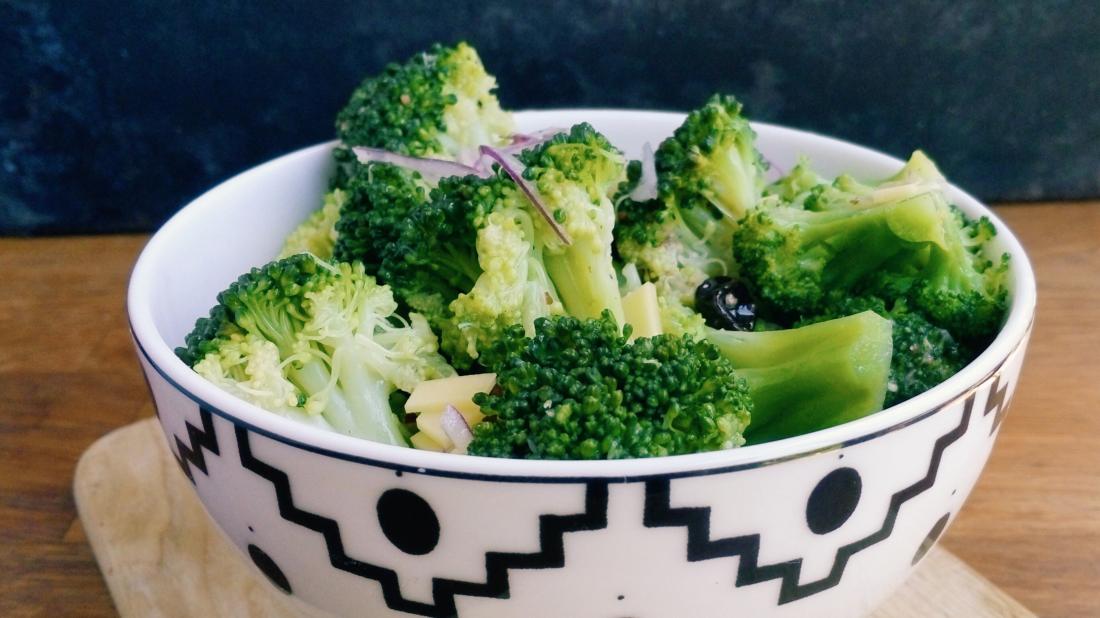
1. Broccoli (Detox Activation)
Broccoli is rich in compounds that support the body’s natural detox pathways.
It may help by:
- Supporting enzymes involved in clearing unwanted compounds
- Providing fiber that moves waste through the colon
- Reducing oxidative stress
How to eat it:
Lightly steam or sauté. Avoid overcooking so it stays bright green and easier to digest.
2. Cabbage (Gut Lining Support)
Cabbage contains fiber and plant compounds that support the gut lining.
It may help by:
- Supporting the protective mucosal barrier
- Feeding beneficial bacteria
- Helping regularity
How to eat it:
Cooked cabbage is gentler for many people. Add it to soups, stir-fries, or warm bowls.
3. Lentils (Prebiotic Fiber)
Lentils are packed with fiber that acts like food for your microbiome.
They may help by:
- Increasing stool bulk and regularity
- Feeding bacteria that produce beneficial short-chain fatty acids
- Supporting stable blood sugar, which reduces inflammation load
How to eat them:
Use lentils in soups, curries, or salads. Start with smaller portions if you are sensitive to beans.

4. Apples (Pectin Fiber)
Apples contain pectin, a type of soluble fiber known for gut support.
They may help by:
- Feeding beneficial gut microbes
- Supporting smoother digestion
- Helping bind and move waste through the colon
How to eat them:
Eat apples with the skin on for more fiber. Pair with yogurt for a gut-friendly snack.
5. Carrots (Antioxidant Support)
Carrots provide antioxidants and fiber that support cellular protection.
They may help by:
- Reducing oxidative stress in the gut environment
- Supporting regular bowel movements
- Adding gentle bulk without harshness
How to eat them:
Raw carrots are great for crunch. Cooked carrots are easier to digest and still nourishing.
6. Yogurt (Microbiome Balance)
Yogurt contains beneficial bacteria that may support a healthier gut microbiome.
It may help by:
- Supporting microbial balance
- Improving digestion for some people
- Complementing fiber-rich foods to build a stronger gut environment
How to eat it:
Choose plain yogurt when possible. Add berries or chopped apples for a simple, protective combo.
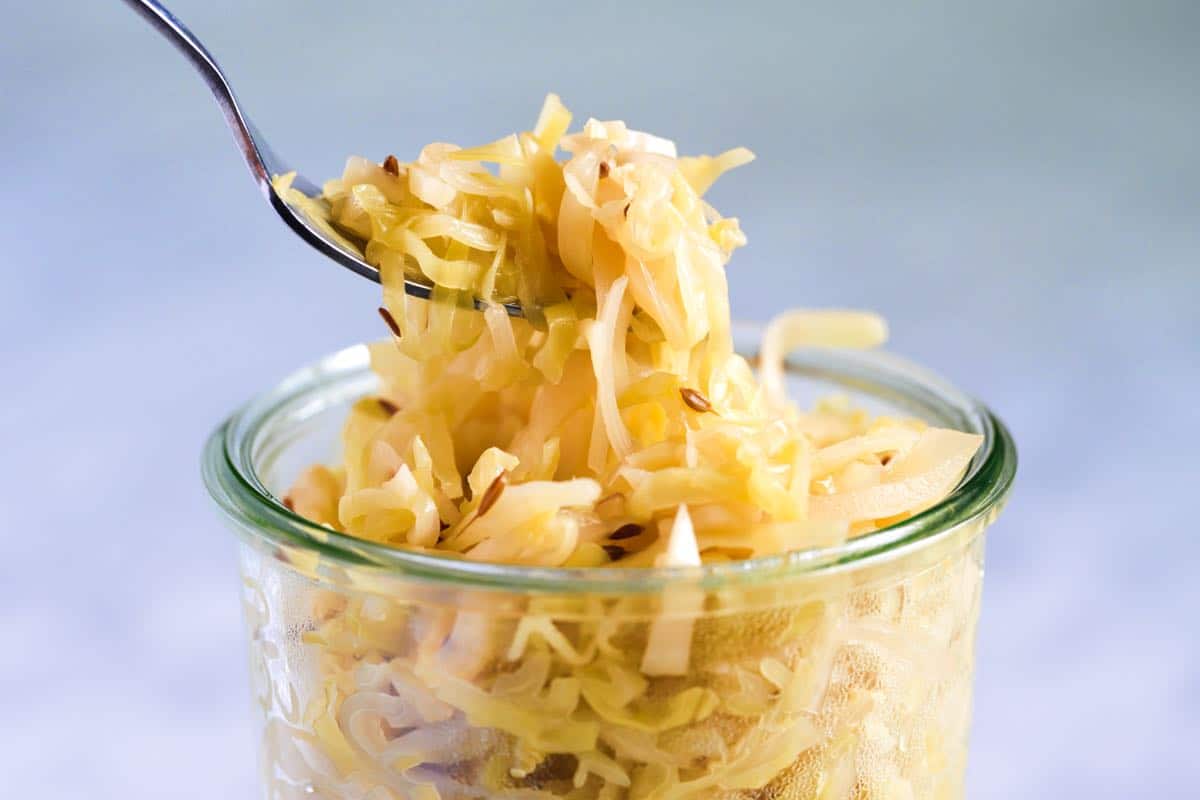
7. Sauerkraut (Fermented Support)
Sauerkraut is a fermented food that can introduce helpful microbes and acids.
It may help by:
- Supporting microbial diversity
- Improving digestion of heavier meals
- Adding fermentation compounds that benefit the gut environment
How to eat it:
Use 1–2 tablespoons with meals. Start small if you are new to fermented foods.
8. Garlic (Sulfur Compounds)
Garlic contains sulfur compounds that support antioxidant defenses and immune signaling.
It may help by:
- Supporting gut and immune function
- Helping balance inflammation
- Supporting microbial diversity in the gut
How to eat it:
Crush garlic and let it sit 5–10 minutes before cooking. Add it to soups, vegetables, and lentils.
9. Berries (Cell Protection)
Berries are rich in antioxidants and polyphenols that support cellular resilience.
They may help by:
- Supporting healthy inflammation balance
- Protecting cells from oxidative stress
- Feeding gut bacteria that thrive on polyphenols
How to eat them:
Use fresh or frozen berries daily. Add to yogurt, oats, or smoothies without added sugar.

How to Build a “Colon-Friendly” Daily Plate
You do not need perfection. You need repetition.
Try this simple structure:
- One fermented or probiotic food: yogurt or sauerkraut
- Two high-fiber plants: lentils + cabbage, or apples + carrots
- One antioxidant booster: berries
- One “support spice”: garlic in cooking
- One crucifer option: broccoli a few times per week
When You’ll Notice Changes
A realistic timeline:
- Within 3–5 days: smoother digestion and less heaviness
- Within 2–3 weeks: more consistent bowel movements
- Within 1–2 months: better gut comfort and steadier energy
Long-term protection comes from long-term habits.
Safety Notes and Realistic Expectations
- These foods support gut health, but they do not replace screening.
- If you have persistent abdominal pain, blood in stool, unexplained weight loss, or severe bowel changes, seek medical care.
- If you are sensitive to fermented foods, start with small amounts.
Final Takeaway
Colon health is not built with one “superfood.” It is built with daily fiber, microbiome support, and antioxidant protection – and the foods in this image are a strong foundation.
Save this guide if you want to protect your gut long-term.