Most people see herbs in a reel or post and think, “Great… but what do I do with them in real life?”
This guide skips the theory and goes straight into how rosemary, green peppercorns, and mullein leaves were actually used at home: simple, low-dose, and not every day.
1. Rosemary – How to Use It
Best for:
-
Mental fatigue or “foggy” thinking
-
Heavy, slow digestion
-
Sluggish, low-energy days
-
Cold hands and circulation that feels a bit weak
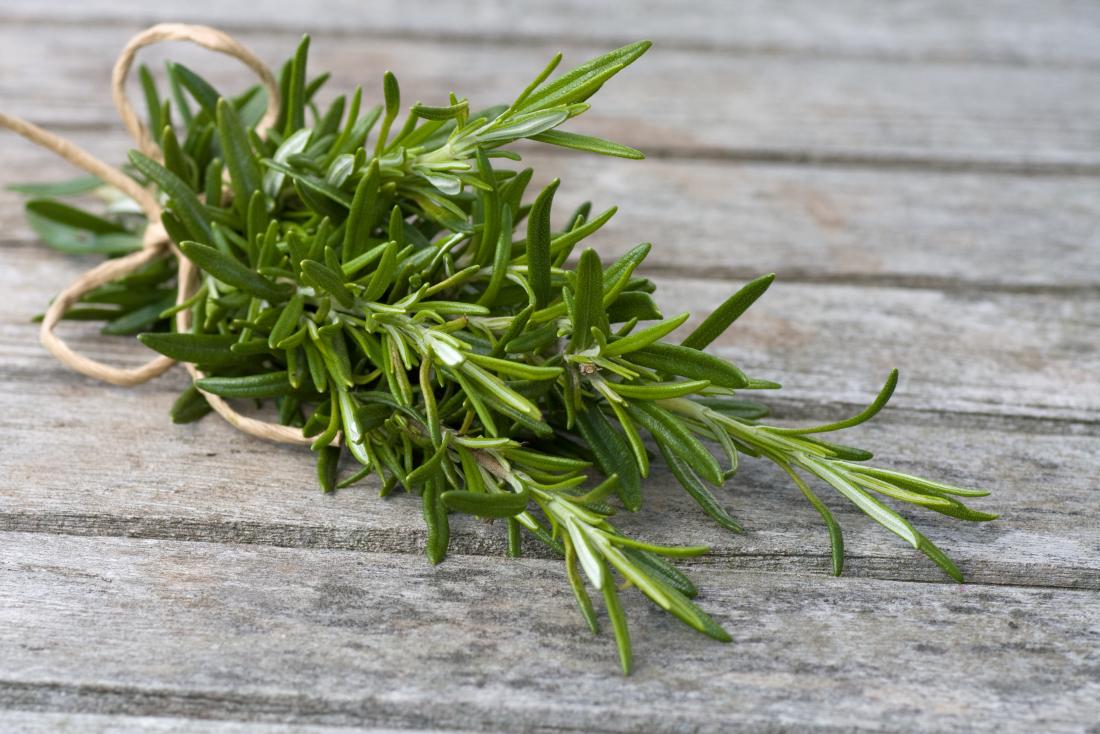
Option 1: Rosemary tea
-
Use 1 teaspoon fresh or dried rosemary leaves
-
Pour hot water over the leaves
-
Steep 5–10 minutes
-
Drink after meals or in the afternoon
This is gentle support for digestion, circulation, and mental clarity — not something to sip nonstop all day.
Option 2: Rosemary oil (external)
-
Lightly crush fresh rosemary leaves
-
Cover with olive oil in a clean jar
-
Infuse for 2–4 weeks in a cool, dark place
-
Strain, then use the oil for gentle massage on neck, shoulders, or joints
This is more about local circulation and soothing tension than deep systemic effects.
How often:
-
About 3–4 times per week is enough
-
Not designed as a constant, daily-for-months routine
2. Green Peppercorns – How to Use Them
Best for:
-
Bloating
-
Slow, “lazy” digestion
-
Feeling cold inside
-
Low or weak appetite

Option 1: Digestive infusion
-
Lightly crush 3–5 green peppercorns
-
Add to warm water or soup
-
Drink or eat after meals
This gives a mild internal “warming” and can nudge digestion without being too intense.
Option 2: Food-based use
-
Add a small amount of crushed green peppercorns to cooked vegetables, broths, or savory dishes
-
Always use tiny amounts — they are potent
⚠️ Avoid using green peppercorns on an empty stomach to prevent irritation.
How often:
-
Around 2–3 times per week
-
Think of it as support, not strong stimulation
3. Mullein Leaves – How to Use Them
Best for:
-
Dry cough
-
Chest tightness
-
Irritated airways
-
Occasional breathing discomfort
Option 1: Mullein tea
-
Use 1 tablespoon dried mullein leaves
-
Steep in hot water for 10–15 minutes
-
STRAIN very carefully to remove the tiny hairs
-
Drink warm, once daily
The mucilage in mullein coats and soothes, so this is for comfort, not for long-term daily use.
Option 2: Chest poultice
-
Crush fresh mullein leaves
-
Place over the chest, covered with a cloth
-
Leave on for 20–30 minutes
⚠️ Always strain mullein tea well — the leaf hairs can irritate the throat if left in.
How often:
-
Short-term only — a few days at a time
-
Not intended as a long-term everyday herb
Can they be used together?
Yes — but not all at once or every day. A simple rhythm looks like this:
-
Digestive days: rosemary + green peppercorns
-
Respiratory days: mullein only
-
Rest days: no herbs, let the body reset
This mirrors traditional use: rotation and moderation, rather than stacking everything at the same time.
Who should be cautious
Avoid or get professional guidance if you:
-
Are pregnant
-
Have ulcers or severe digestive issues
-
Take medications that affect blood pressure or breathing
These are supportive practices, not treatments or cures.
TL;DR – Practical Cheat Sheet
-
Rosemary → digestion, circulation, mental clarity (tea or oil, a few times/week)
-
Green peppercorns → digestion, warmth, appetite (tiny amounts with food, not on an empty stomach)
-
Mullein leaves → respiratory comfort (short-term tea or poultice, always well-strained)
Simple methods. Low frequency. No heavy stacking.
Exactly the missing “how to” layer that quick social posts don’t have.