If you deal with sticky phlegm, a heavy chest, or that lingering “wet cough” feeling, you know how uncomfortable it can be. Breathing feels harder. Sleeping gets interrupted. And you start looking for something gentle that actually helps.
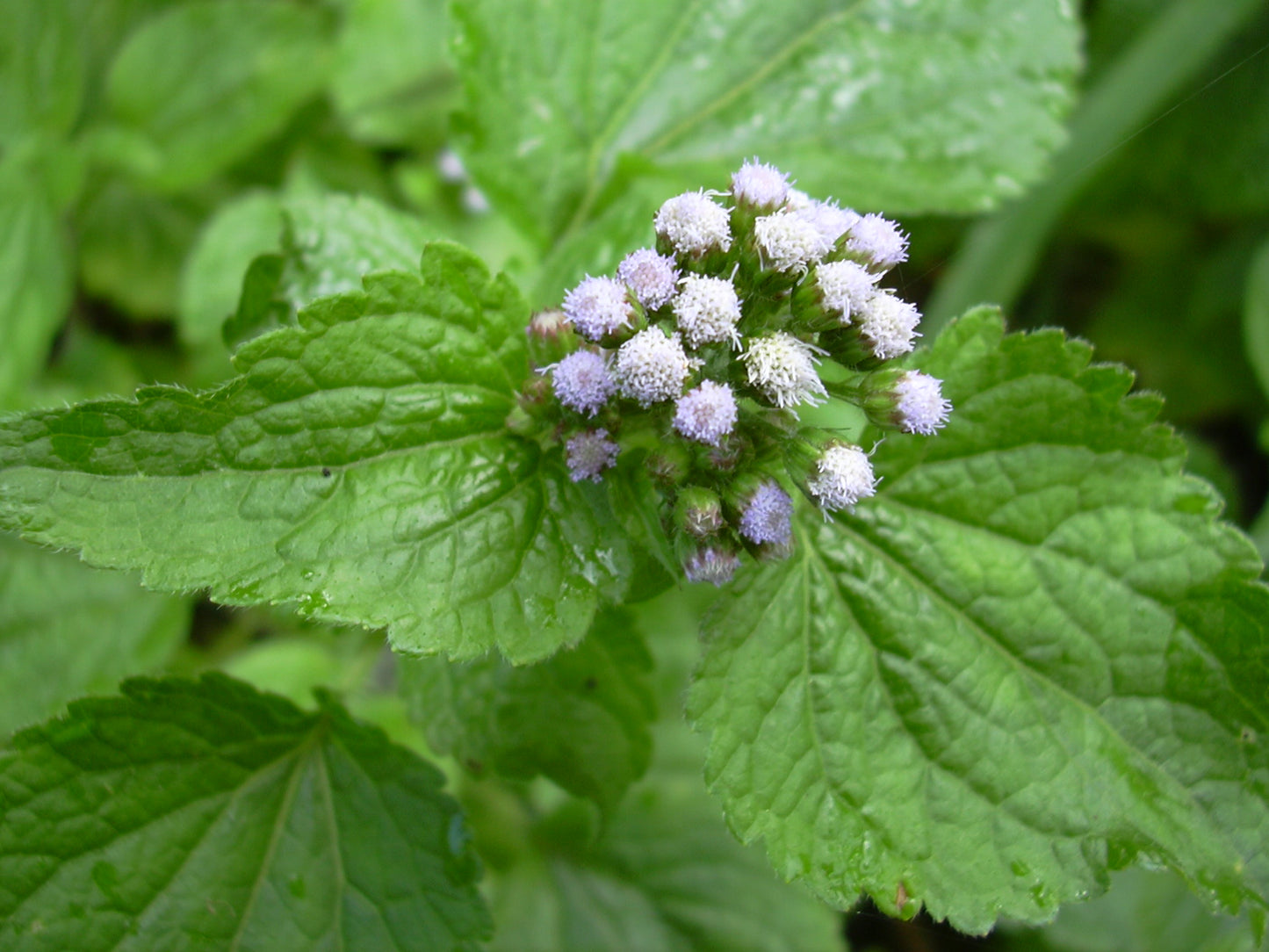
This is where a humble little plant often seen on roadsides shows up in traditional herbal routines: the small purple-flowered weed commonly known as Ageratum conyzoides (often called billygoat weed in some regions). In many folk traditions, it has been used to support the lungs, calm irritation, and help the body move out mucus.
Important note: Plant identification matters. Do not consume wild plants unless you are 100% sure of the correct herb and it is harvested from a clean, pesticide-free area.
What This Herb May Do Inside the Body
Traditional use focuses on the respiratory system, especially when you feel “congested” or “loaded.”
People use this herb to support:
- Loosening mucus so it is easier to cough out
- Soothing irritated airways when coughing feels scratchy
- Calming inflammation that can worsen swelling and tightness
- Supporting natural antimicrobial defenses (traditional use, not a replacement for treatment)
Why it may help (simple science insight)
Herbs with purple flower clusters like this one are often rich in flavonoids and aromatic compounds. These plant chemicals can act as antioxidants and may influence inflammatory pathways. That is a fancy way of saying: they may help the body feel less “inflamed and reactive,” which can make breathing and throat comfort feel better.
Simple Preparation Methods
1) Herbal Infusion (Tea)
You need:
- A small handful of fresh leaves and tender tops, or 1–2 teaspoons dried herb
- 1–2 cups hot water
How to make it:
- Rinse the herb well (if fresh).
- Pour hot water over it.
- Cover and steep 10–15 minutes.
- Strain and sip warm.
Taste tip: If it tastes strong, dilute with more warm water.
2) Steam Inhalation (For Stuffiness and Heavy Chest)
This is a good option when you do not want to ingest the herb.
How to do it:
- Add a handful of fresh herb to a bowl.
- Pour in hot water and let it sit for 2 minutes.
- Lean over the bowl, cover your head with a towel.
- Breathe gently for 5–8 minutes.
This method can help you feel “open” and loosen mucus in a comforting way.
How to Use + Best Time
For traditional use, keep it simple and consistent.
Best timing options:
- Morning: When mucus feels thick after waking.
- After a warm shower: When airways are already relaxed.
- Before bed: If coughing is disrupting sleep (use a small amount).
Simple routine:
- Tea: 1 cup per day for 2–3 days, then reassess.
- Steam: Once daily during congestion periods.
When You’ll Notice Relief
Set realistic expectations. Herbs are not instant “magic,” but they can feel supportive.
Many people report:
- Within 30–90 minutes: a lighter throat and easier coughing after warm tea or steam
- Within 1–3 days: mucus feels less sticky and easier to clear
- Within 5–7 days: less chest heaviness (if the trigger is mild and you are also resting, hydrating, and avoiding smoke)
If symptoms are severe or getting worse, do not wait it out.
Who Benefits Most
This gentle-style approach is often used by people who have:
- Occasional mucus buildup after a cold
- Mild congestion from damp weather or seasonal irritation
- A “wet” cough where mucus feels stuck
- A heavy chest feeling that improves with warmth and steam
Quick Safety Notes and Simple Adjustments
Herbal support should be safe and smart.
Avoid or use caution if:
- You are pregnant or breastfeeding
- You have liver or kidney disease
- You take blood thinners or have a bleeding disorder
- You have a history of allergies to herbs/flowers
- You are treating asthma or chronic lung disease (do not replace your plan)
Get medical help fast if you have:
- Shortness of breath, wheezing, or chest pain
- High fever
- Cough lasting more than 2–3 weeks
- Blood in mucus
- Symptoms in children that worsen quickly
Final Takeaway
This purple-flowered “weed” is a reminder that traditional wellness often starts with simple plants and simple routines. When correctly identified and used carefully, it may support your body’s natural ability to calm irritated airways and move mucus out more comfortably.
Save this guide if you want to try it later.