If you have been feeling unmotivated, mentally foggy, or stuck in “low-drive mode,” it is not always a willpower issue. Sometimes your brain is simply missing the steady building blocks it needs to make dopamine.
Dopamine is the “motivation and reward” messenger. It helps you feel driven, focused, and satisfied after you finish a task. The surprising part is this: your dopamine system responds better to consistent nutrition than to extreme hacks.
Most people never realize this works because dopamine is not just about pleasure. It is about energy, attention, and follow-through.
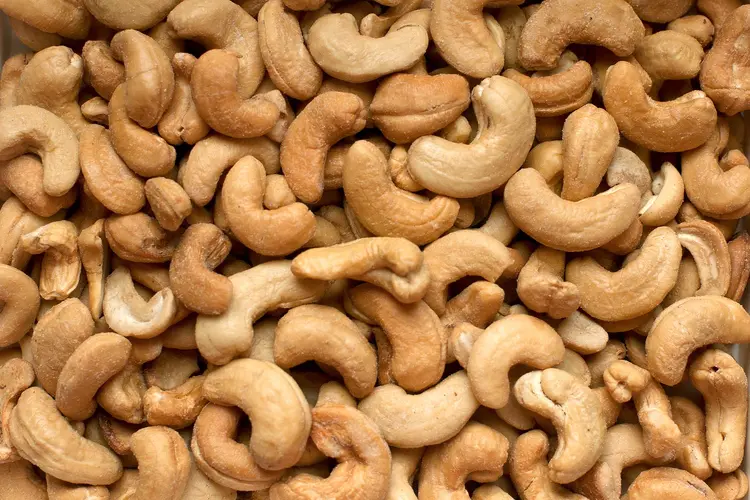
1) Cashews (Tyrosine)
Cashews contain tyrosine, an amino acid your body uses to create dopamine.
They also offer minerals that support nervous system function.
How to eat them:
- Add a small handful to breakfast oats or yogurt.
- Blend into a creamy sauce for lunch bowls.
2) Beets (Betanin)
Beets are rich in betanin, a pigment with antioxidant activity that supports brain resilience. When your body is under stress, dopamine can feel “harder to access,” so reducing oxidative stress matters.
How to eat them:
- Roast and add to salads.
- Blend into a smoothie with banana.
3) Coffee (Caffeine)
Coffee contains caffeine, which can increase alertness and improve the feeling of drive. For many people, it makes tasks feel more “doable.”
How to use it wisely:
- Drink coffee earlier in the day.
- Pair it with food, not on an empty stomach, to reduce jitters.
4) Pineapple (Bromelain)
Pineapple contains bromelain, an enzyme that supports digestion and comfort. When digestion is heavy or inflamed, mood and focus can dip quickly.
How to eat it:
- Add fresh pineapple to a snack plate with cashews.
- Use it as a sweet finish after lunch instead of late-night dessert.
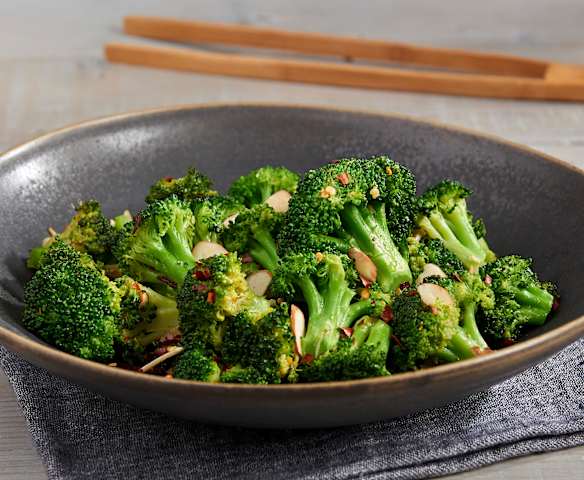
5) Broccoli (Sulforaphane)
Broccoli is known for sulforaphane, a compound that supports detox pathways and brain protection. A healthier cellular environment helps dopamine signaling feel smoother.
How to eat it:
- Lightly steam or sauté.
- Add olive oil and salt for better taste and satisfaction.
6) Green Tea (L-Theanine)
Green tea contains L-theanine, which supports calm focus. It is especially helpful when you want steady attention without feeling overstimulated.
How to drink it:
- Try it mid-morning or early afternoon.
- Sip slowly during work sessions.
7) Banana (Vitamin B6)
Bananas provide vitamin B6, a key helper vitamin used in neurotransmitter production. If you are low in B6, your brain chemistry can feel sluggish.
How to eat it:
- Add to oats.
- Slice into yogurt for a quick breakfast.
8) Mucuna Pruriens (L-Dopa)
Mucuna pruriens is unique because it naturally contains L-dopa, a direct precursor to dopamine. This is powerful, which also means it needs extra caution.
How people use it:
- Commonly taken as a supplement powder or capsule.
- Some people add a small amount into smoothies.
Important safety note: If you are pregnant, breastfeeding, have mood disorders, or take medications (especially for dopamine, depression, anxiety, blood pressure, or Parkinson’s), talk with a clinician first. This is not a casual “food sprinkle.”
9) Sweet Potatoes (Antioxidants)
Sweet potatoes provide antioxidants and steady carbohydrates that support stable energy. Dopamine works better when your blood sugar is not swinging up and down.
How to eat them:
- Roast wedges for lunch or dinner.
- Mash as a comfort carb instead of sugary snacks.
How to Build a Simple Daily Plate Using These Foods
- Morning: Coffee or Green Tea + Banana + Cashews
- Lunch: Broccoli + Sweet Potatoes
- Snack: Pineapple + Cashews
- Add-on: Beets a few times per week
If you use Mucuna Pruriens, treat it like a targeted tool, not a daily casual habit.
When You’ll Notice Changes
Set realistic expectations. Dopamine support is usually not instant.
- Day 1–3: steadier energy and fewer cravings for “quick rewards”
- Week 1: improved focus and better mood stability
- Weeks 2–4: stronger motivation, better follow-through, and more consistent drive
Tips to Combine Them Effectively
- Pair Coffee with Cashews or Sweet Potatoes to avoid jittery spikes.
- Use Green Tea on days you feel anxious but still need focus.
- Combine Banana + Beets for a supportive smoothie base.
- Keep Pineapple earlier in the day if sugar affects your sleep.
Quick Safety Notes
- Do not rely on caffeine all day. Too much can increase anxiety and disrupt sleep.
- If you are sensitive to stimulants, choose Green Tea over Coffee.
- Be cautious with Mucuna Pruriens, especially with medications or mental health conditions.
Final Takeaway
You do not need extreme brain hacks to feel motivated again. Start with steady nutrition that supports dopamine naturally.
Save this guide if you want to try it later.
Share this with someone who has been feeling low-energy or unmotivated lately.