If your eyes feel dry, tired, blurry, or heavy after hours on a phone or laptop, you are not imagining it. Screen time reduces blinking, strains focusing muscles, and increases oxidative stress in the eyes.
Here is the part most people miss: eye fatigue is not only about your screen. It is also about what your eyes are missing nutritionally.
Most people never realize this works because they focus on eye drops and blue-light glasses, but forget that the retina and macula are living tissues that need daily fuel.
These foods support eye comfort but do not replace medical care. If you have sudden vision changes, severe pain, or persistent dryness that does not improve, it is important to see an eye professional.
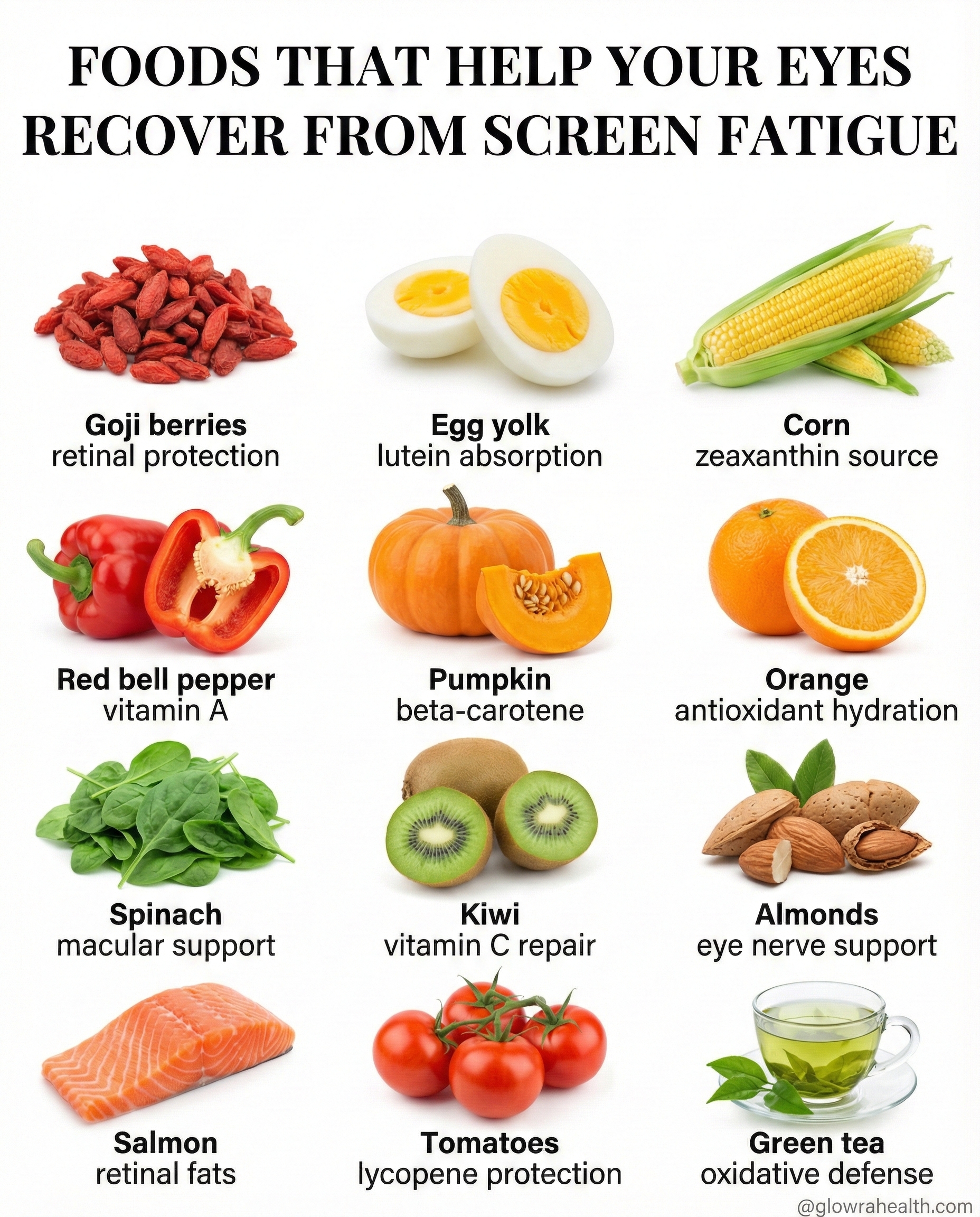
1. Goji Berries (Retinal Protection)
Goji berries are known for compounds that support the retina and help protect delicate eye tissues from stress.
They are often used as a gentle daily food for people who spend long hours staring at screens.
How to add it
Sprinkle goji berries into oatmeal, yogurt, or warm tea. You can also soak them for a softer texture.
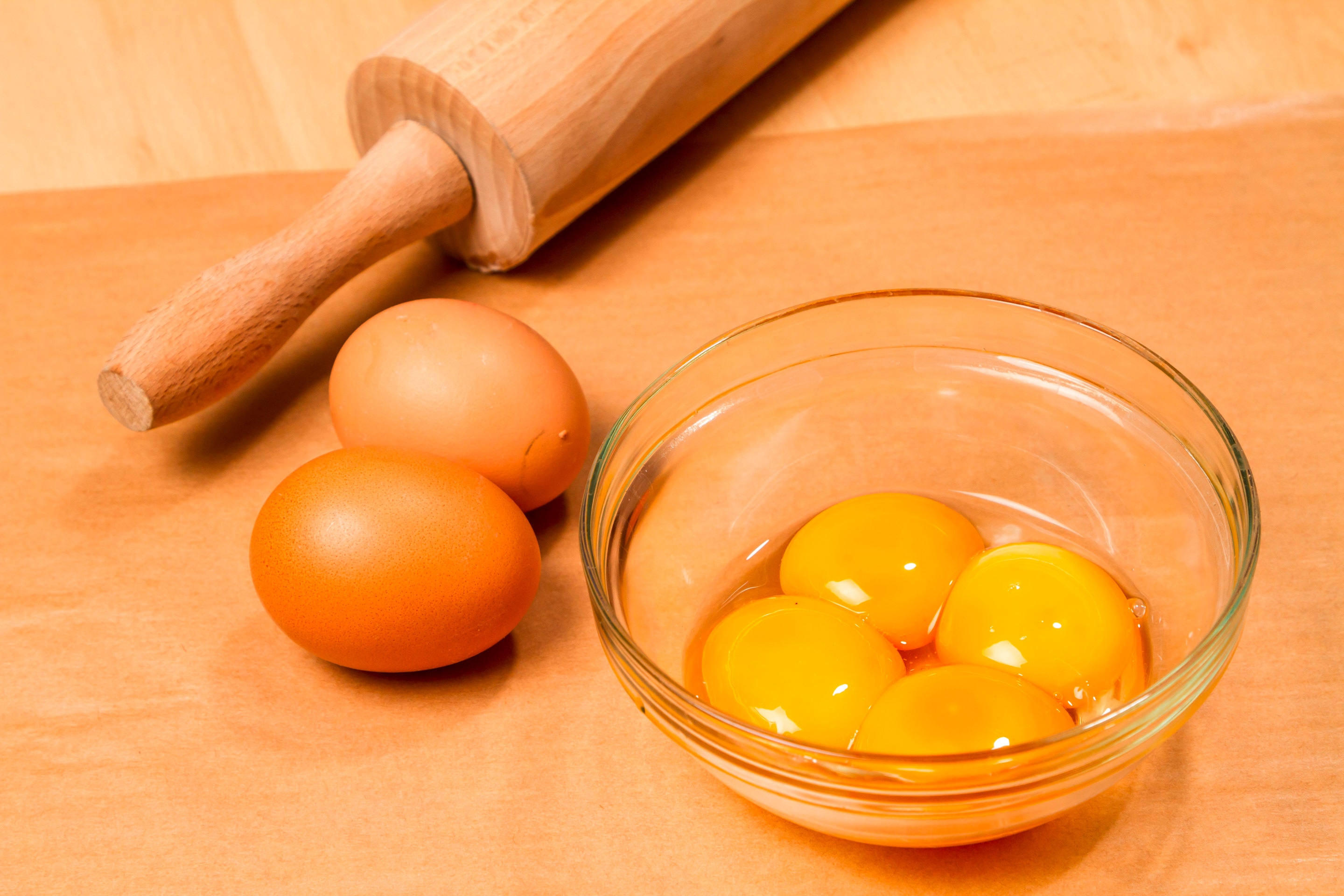
2. Egg Yolk (Lutein Absorption)
Egg yolk naturally contains lutein and supports the body’s ability to absorb it.
Lutein is important for the macula, the part of the eye responsible for sharp central vision.
How to add it
Eat soft-boiled eggs, add yolks to rice bowls, or include eggs in a balanced breakfast.
3. Corn (Zeaxanthin Source)
Corn provides zeaxanthin, a carotenoid that supports eye filtering and helps protect against light stress.
This is especially useful when your eyes feel strained from bright screens.
How to add it
Add corn to salads, soups, or veggie bowls. Choose minimally processed corn when possible.
4. Red Bell Pepper (Vitamin A)
Red bell pepper supports vitamin A intake, which is essential for the surface of the eye and night vision comfort.
It also helps support moisture balance for people with dry-feeling eyes.
How to add it
Slice into snacks, roast with olive oil, or add to stir-fries.
5. Pumpkin (Beta-Carotene)
Pumpkin contains beta-carotene, which the body can convert into vitamin A.
This supports eye tissue repair and helps the eyes cope better with long screen exposure.
How to add it
Use pumpkin in soups, smoothies, or roasted side dishes.
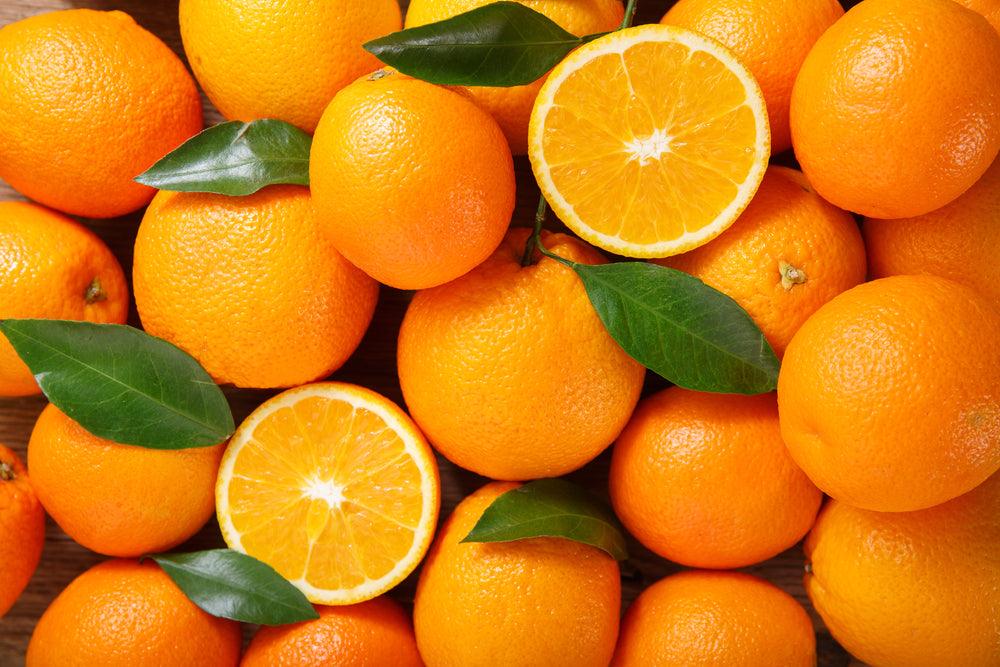
6. Orange (Antioxidant Hydration)
Oranges provide hydration and antioxidants that help reduce oxidative stress linked with screen fatigue.
They are also refreshing when eye tiredness is paired with overall fatigue.
How to add it
Eat whole oranges, add slices to water, or pair with nuts for a steady snack.
7. Spinach (Macular Support)
Spinach supports the macula with carotenoids and minerals that protect eye tissues.
It is one of the best daily greens for people who work on screens.
How to add it
Blend into smoothies, sauté lightly, or add to soups and omelets.
8. Kiwi (Vitamin C Repair)
Kiwi is rich in vitamin C, which supports tissue repair and helps protect eye structures from oxidative stress.
It can be a great “recovery fruit” after long screen sessions.
How to add it
Eat as a snack, add to yogurt, or toss into fruit bowls.
9. Almonds (Eye Nerve Support)
Almonds provide nutrients that support nerve function and protect eye tissues from stress.
They are also easy to keep as a simple snack during work.
How to add it
Eat a small handful daily, or add to breakfast bowls and salads.
10. Salmon (Retinal Fats)
Salmon provides healthy fats that support the retina and help maintain the protective tear layer of the eye.
This can be especially helpful if your screen fatigue includes dryness.
How to add it
Eat salmon two to three times per week, baked or grilled.
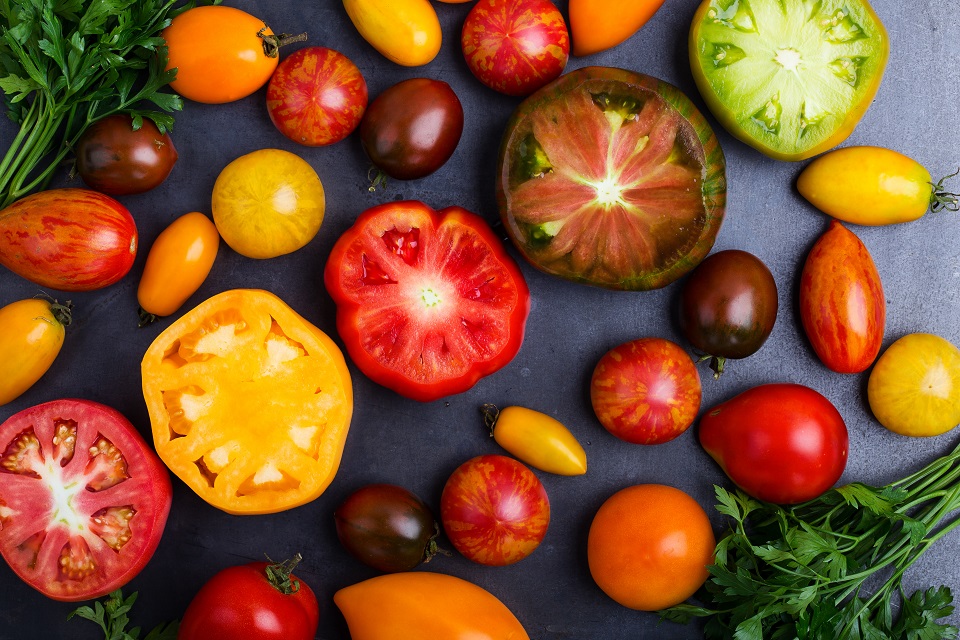
11. Tomatoes (Lycopene Protection)
Tomatoes contain lycopene, a powerful antioxidant that supports eye protection against oxidative stress.
Cooked tomatoes can be especially helpful because lycopene becomes easier to absorb.
How to add it
Use tomatoes in soups, sauces, or cooked meals with olive oil.
12. Green Tea (Oxidative Defense)
Green tea supports antioxidant defense and may help reduce oxidative stress that builds up from long screen exposure.
It is also a calming replacement for sugary drinks.
How to add it
Drink one to two cups daily, preferably unsweetened.
How to Build a Daily Plate Using These Foods
A simple routine you can rotate:
- Breakfast: Eggs with spinach, or kiwi with yogurt
- Lunch: Salmon salad with tomatoes and red bell pepper
- Snack: Almonds + an orange
- Evening: Pumpkin soup and green tea
- Optional: Goji berries added to oats or tea
When You’ll Notice Changes
- Same day: less “dry tired” feeling when hydration and antioxidants are increased
- 3–7 days: many people notice fewer end-of-day eye headaches
- 2–3 weeks: better comfort and steadier eye endurance during screen time
Results depend on sleep, lighting, screen breaks, and overall diet consistency.
Tips to Combine Them Effectively
- Pair carotenoid foods with healthy fats for better absorption.
- Take short screen breaks and blink intentionally to support moisture.
- Aim for whole foods instead of relying only on supplements.
Quick Notes / Safety
These foods support eye comfort but do not replace medical care. If you have sudden vision changes, severe pain, or persistent dryness that does not improve, it is important to see an eye professional.
Final Takeaway
Screen fatigue is common, but it does not have to be your normal. With the right foods, your eyes can recover faster and feel more comfortable day to day.
Save this guide if you want to protect your eyes long-term, and share it with someone who works on screens every day.