Ah, the humble banana peel! For many enthusiastic gardeners, it’s seen as a golden ticket to a greener, more vibrant garden. And they’re not wrong – banana peels are packed with beneficial nutrients that can certainly give your plants a boost. But here’s the catch: simply tossing them into your garden or soaking them in water might not be unlocking their full potential, and in some cases, could even be counterproductive.
If you’ve been wondering why your banana peel efforts haven’t yielded the miraculous results you hoped for, you’re not alone! Many gardeners make this common mistake. The real key to thriving plants goes beyond just adding nutrients; it’s about understanding your soil’s fundamental needs, especially its pH level. Let’s dive into the proper way to utilize banana peels for maximum benefits and discover why checking your soil’s pH is an absolute game-changer for a vibrant, happy garden!
The Common Banana Peel Mistake (And Why It Doesn’t Work)
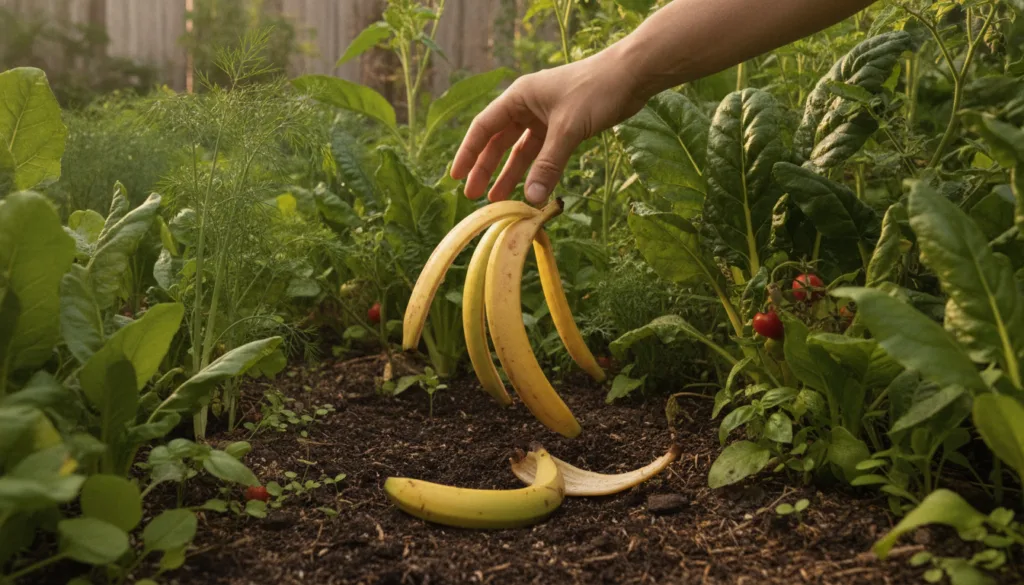
It’s an easy assumption: banana peels contain nutrients, so throwing them directly onto the soil or burying them shallowly must be good, right? While the intention is noble, this approach often falls short for a few reasons:
- Slow Decomposition: Whole banana peels decompose slowly. While they’re breaking down, they can attract pests like fruit flies, slugs, and raccoons, which you definitely don’t want feasting on your precious plants.
- Nutrient Availability: The nutrients aren’t immediately available to your plants. They need to break down completely first, a process that can take weeks or even months. Your plants might not get the benefit when they need it most.
- Potential for Mold: In humid conditions, whole peels can get moldy before they fully decompose, which isn’t good for soil health.
The Power of Banana Peels: What They Offer Your Garden
Before we get into the proper methods, let’s appreciate why banana peels are worth the effort. They are a fantastic source of several essential plant nutrients:
- Potassium (K): Crucial for strong stems, flower development, fruit production, and overall plant vigor. It helps plants resist diseases and withstand stress.
- Phosphorus (P): Important for root development, flowering, and fruiting. It’s often referred to as the ‘energy currency’ of plants.
- Calcium (Ca): Essential for cell wall formation, helping plants grow sturdy and strong, and preventing issues like blossom end rot in tomatoes.
- Magnesium (Mg): A key component of chlorophyll, vital for photosynthesis and healthy green foliage.
These nutrients are fantastic for flowering plants, fruit-bearing plants, and vegetables, helping them produce more bountiful harvests and more vibrant blooms.
Smart Ways to Utilize Banana Peels for Maximum Benefits
Instead of tossing, let’s talk about transforming! Here are the best ways to incorporate banana peels into your gardening routine:
1. Composting
This is arguably the easiest and most effective method. Adding banana peels to your compost bin ensures they break down thoroughly and release their nutrients into nutrient-rich compost. Once the compost is ready, you can mix it into your garden beds, providing a slow-release, balanced feed to your plants.
2. Banana Peel Tea/Fertilizer
This method offers a quicker way to deliver nutrients, especially potassium, to your plants.
- How to Make It: Chop 3-4 banana peels into small pieces. Place them in a large jar or bucket and cover with about a liter of water. Let it steep for 24-48 hours.
- How to Use It: Strain the liquid (you can add the softened peels to your compost!). Dilute the banana peel tea with an equal amount of fresh water before using it to water your plants. Use this liquid fertilizer around the base of your plants once every 2-4 weeks.
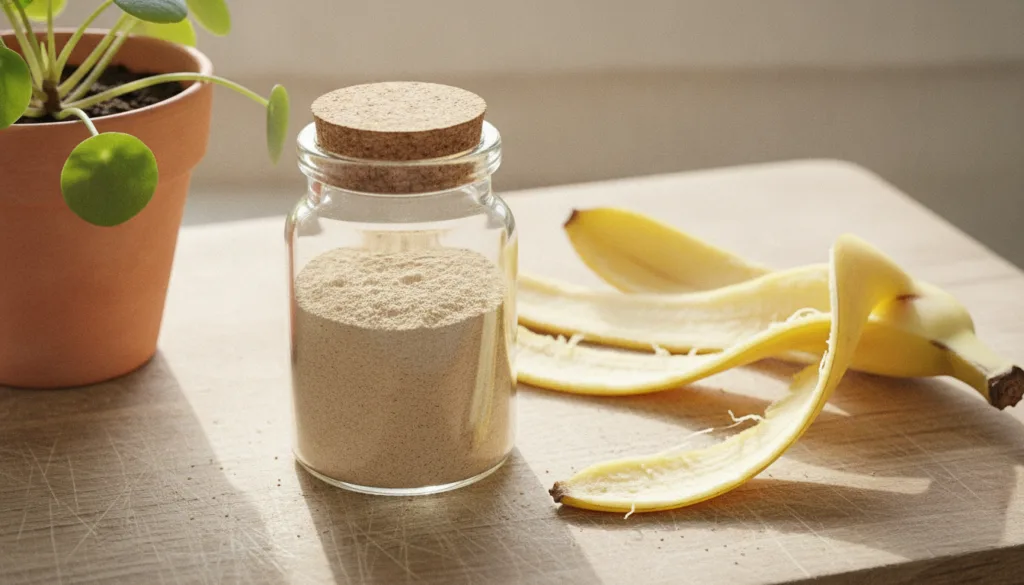
3. Dried and Ground Banana Peel Powder
For a dry, easy-to-store fertilizer, consider drying and grinding your peels.
- How to Make It: Lay banana peels out in the sun, use a dehydrator, or bake them on a low temperature in your oven until they are completely dry and brittle.
- How to Use It: Once dried, crush them by hand or use a coffee grinder to turn them into a fine powder. Sprinkle this powder around the base of your plants, or gently work it into the topsoil. It will release nutrients as it slowly breaks down.
4. Deep Burial (Use with Caution)
If you’re planting new seedlings or establishing a new garden bed, you can bury chopped banana peels deep within the soil (at least 6-8 inches down) where they won’t attract pests and will decompose more effectively. This is generally not recommended for existing plants as disturbing their root systems can cause stress.
The Ultimate Game-Changer: Understanding Your Soil’s pH
Even with the best banana peel fertilizer, your plants won’t thrive if your soil’s pH is off. Soil pH is a measure of how acidic or alkaline your soil is, on a scale of 0 to 14. A pH of 7 is neutral; below 7 is acidic, and above 7 is alkaline.
Why is Soil pH So Important?
Think of soil pH as the key that unlocks nutrients. Most plants prefer a slightly acidic to neutral pH (between 6.0 and 7.0). When the pH is outside this optimal range, certain nutrients become