When people decide to “eat healthier,” they often start by cutting foods they believe are bad. But this is where a common mistake happens.
Most people cut the wrong foods first.
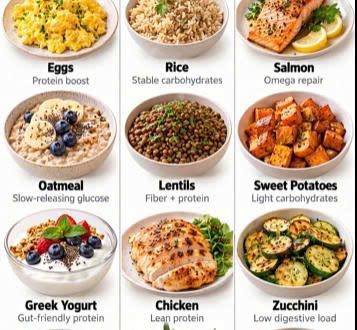
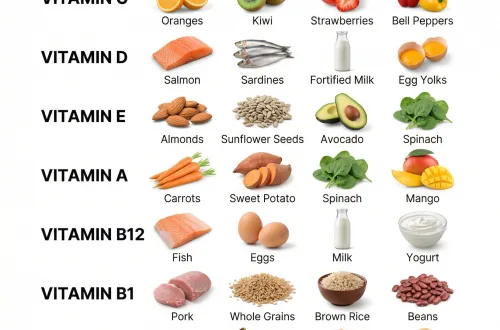
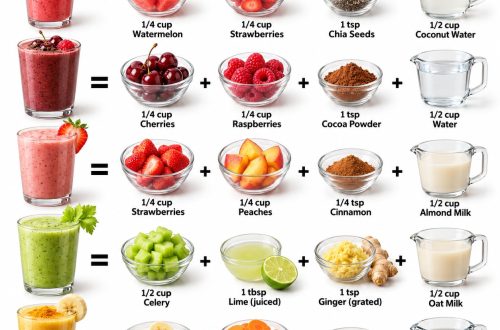
They remove basic, whole foods that actually support energy, hormones, and metabolism, while keeping ultra-processed products that quietly do the real damage. The image makes this contrast very clear.
Let’s break it down so you know what not to cut too early and what truly deserves to go first.
The Big Mistake: Cutting These Foods First
These foods are often blamed, but they are not the main problem when eaten in reasonable portions and whole forms.
1. Rice
Rice is a simple carbohydrate that provides quick energy and supports daily activity.
When paired with protein and vegetables, rice can fit well into balanced meals.
2. Bread
Basic bread, especially minimally processed versions, can be part of a healthy diet.
The issue is not bread itself, but highly refined, sugary versions eaten without balance.
3. Potatoes
Potatoes are rich in potassium and filling carbohydrates.
They become a problem mainly when deep-fried or heavily processed.
4. Fruit
Fruit provides fiber, hydration, and antioxidants.
Cutting fruit often leads to more cravings later, not better health.
5. Egg Yolks
Egg yolks contain important fats and nutrients that support hormones and satiety.
They are not the enemy they were once made out to be.
6. Red Meat
Red meat supplies iron and protein when eaten in moderation.
Problems arise mostly from highly processed versions, not whole cuts.
7. Milk
Milk provides protein and calcium for many people.
Tolerance varies, but it is not automatically unhealthy.
8. Cheese
Cheese is calorie-dense but can be satisfying in small amounts.
It often helps people stick to balanced meals.
9. Pasta
Pasta provides energy and can be balanced with protein, fiber, and fats.
Portion size matters more than total elimination.
10. Beans
Beans are rich in fiber and plant protein.
They support digestion and blood sugar balance.
11. Oats
Oats provide slow-digesting carbohydrates that help maintain steady energy.
They are especially helpful for breakfast routines.
12. Corn
Corn is a natural carbohydrate that can fit into balanced meals.
The issue comes from highly processed corn products, not whole corn itself.
What You Should Cut First (This Matters More Than You Think)
If you want real health improvements, these are the foods that deserve attention first.
1. Sugary Drinks
Liquid sugar is one of the fastest ways to spike blood sugar and energy crashes.
These drinks add calories without fullness.
2. Candy
Candy delivers concentrated sugar with no nutritional support.
It trains cravings and disrupts appetite signals.
3. Pastries
Pastries combine sugar, refined flour, and unhealthy fats.
They are easy to overeat and hard to feel satisfied from.
4. Ultra-Processed Snacks
Chips and similar snacks are engineered to bypass fullness cues.
They encourage mindless eating.
5. Sweetened Sauces
Many sauces hide large amounts of sugar.
They quietly add up without you noticing.
6. Processed Meat
Processed meats often contain preservatives and excess sodium.
They are very different from whole, fresh meats.
7. Liquid Sugar
Syrups and sweetened liquids spike blood sugar quickly.
They offer no chewing, fiber, or satiety.
8. Late-Night Sweets
Eating sweets late at night disrupts blood sugar and sleep quality.
This often worsens cravings the next day.
9. Packaged Desserts
These combine refined carbs, sugar, and additives.
They keep taste buds overstimulated.
10. Refined Oils
Highly refined oils are stripped of beneficial compounds.
They are often overused in processed foods.
11. Fast Food
Fast food is calorie-dense, low in nutrients, and easy to overconsume.
It promotes inflammation when eaten frequently.
12. Highly Refined Carbs
Refined carbs digest quickly and offer little lasting energy.
They are very different from whole carbohydrate sources.
How to Make This Shift Without Feeling Deprived
Instead of cutting everything at once:
- Keep whole foods from the “mistake” list in reasonable portions
- Gradually reduce items from the “should cut first” list
- Focus on meals that keep you full, not just low-calorie
This approach leads to better energy, fewer cravings, and more consistency.
When You’ll Notice Changes
- Within days: fewer sugar crashes and less bloating
- 1–2 weeks: improved energy and appetite control
- Long term: easier weight management and better metabolic health
Progress comes from consistency, not perfection.
Quick Safety & Balance Notes
This guide is not about restriction or fear. If you have medical conditions or special dietary needs, individual guidance matters. The goal is smarter priorities, not extreme rules.
Final Takeaway
The biggest diet mistake is cutting nourishing foods too early while keeping ultra-processed ones too long. When you flip that order, everything gets easier.
Save this guide if you want a smarter approach to eating, and share it with someone who keeps cutting food but not seeing results.