If you have ever felt that dull, stubborn tightness in your lower back, you know it can make everything harder. Sitting feels uncomfortable. Standing feels stiff. Even sleep can feel “restless.”
Here is the unexpected part. Some traditional wellness practices use goosegrass as a light, calming herb that people brew into a simple tea, especially when the body feels inflamed, puffy, or tense.
Most people never realize this works because goosegrass is usually treated like a nuisance weed, not something you would ever put in a pot.
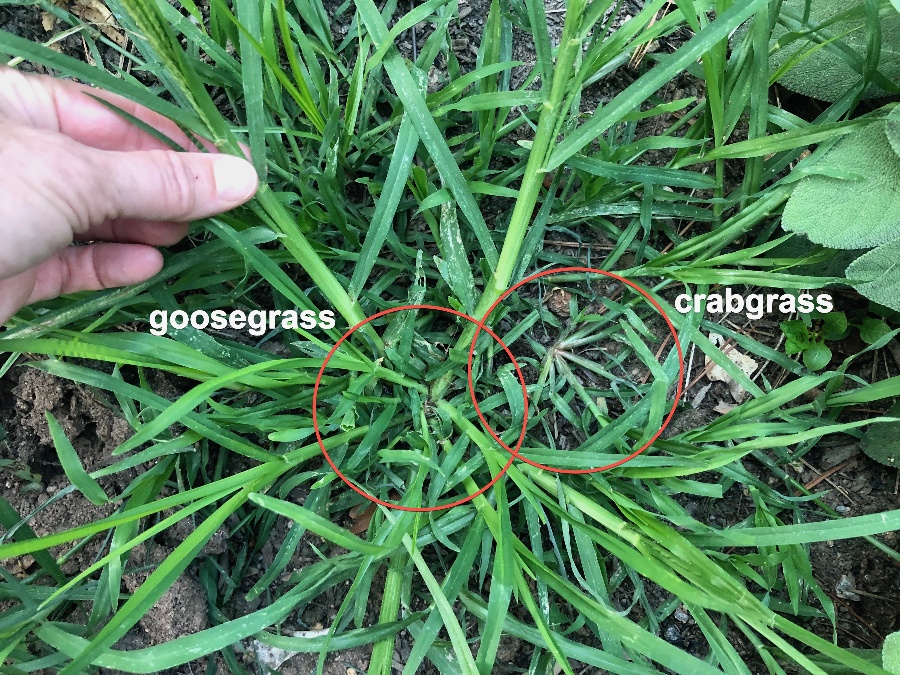
Quick note: Always make sure you have the correct plant before using any wild herb. “Goosegrass” can refer to different plants in different regions.
Simple Goosegrass Tea Preparation Method
Ingredients (easy, measurable)
- 1 loose cup fresh goosegrass (rinsed well)
or 1–2 teaspoons dried goosegrass - 2 cups water
Optional (for taste only):
- A small slice of ginger or a squeeze of lemon only if you tolerate them well (skip if you want to keep it purely goosegrass)
How to Prepare
- Rinse the goosegrass thoroughly under running water. If it is wild-harvested, soak it for a few minutes and rinse again.
- Add 2 cups water to a small pot and bring to a gentle boil.
- Add the goosegrass, then reduce heat and simmer 8–10 minutes.
- Turn off the heat and cover for 5 minutes to steep.
- Strain and sip warm.
If the taste feels grassy, that is normal. You can dilute with a little extra warm water.
What Goosegrass Tea May Do Inside the Body
In many traditional home practices, goosegrass tea is used as a gentle daily support drink, especially when discomfort feels connected to water retention, heat, or overall inflammation.
People commonly use it for support with:
- Aching back or joint stiffness that feels worse after long sitting or overuse
- Puffiness and heaviness in the body, especially in the morning
- Mild bloating and sluggish digestion
- Urinary flow support (when you are not sick, and there is no burning or fever)
Goosegrass is often described as a “cleansing” herb in folk traditions because it is brewed as a light infusion and used consistently for a short period, instead of as a strong, harsh remedy.
When to Drink Goosegrass Tea for Best Results
For a gentle routine:
- 1 cup daily for 3–5 days, then take a break.
Best timing:
- Morning: when you feel puffy, heavy, or stiff after waking
- Early afternoon: if your body tightens up after sitting or working
If your goal is back comfort, pair the tea with something simple that helps circulation:
- A 10-minute walk
- Gentle hip and hamstring stretches
- A warm shower or heating pad
Tea supports the internal environment, but movement helps your muscles “let go.”
Why It Works (Tradition + Simple Science Insight)
Goosegrass is traditionally valued for its mild, supportive nature. While research varies by species and preparation, many leafy herbs and grasses contain:
- Plant antioxidants that help the body manage everyday oxidative stress
- Natural compounds that support fluid balance, which can matter when tightness is paired with puffiness
- A gentle, warming infusion effect that encourages relaxation, especially when sipped slowly
Think of it like this. When your body is under stress, not sleeping well, or sitting too long, it can feel “compressed.” A light herbal tea ritual can support hydration, encourage gentle elimination, and help your nervous system soften.
Who Benefits Most From Goosegrass Tea
This gentle tea is best suited for people who:
- Feel stiff or tight in the lower back from long sitting
- Notice puffiness or water retention with discomfort
- Want a simple, non-stimulating daily herbal routine
- Prefer traditional, food-like herbal support instead of strong products
Quick Notes, Safety, and Simple Adjustments
Please take these seriously:
- Do not use wild herbs unless you are 100% sure of identification. Similar-looking grasses exist.
- Avoid during pregnancy or breastfeeding, unless your clinician says yes.
- Use caution if you have kidney disease, are on diuretics, blood pressure medication, or lithium, because herbs that affect fluid balance may interfere.
- Stop if you notice rash, itching, nausea, or breathing changes.
- Seek medical care if back pain is severe, worsening, linked to numbness, fever, burning urination, or sudden weakness.
This is not a replacement for medical treatment, especially for nerve pain, injury, infection, or chronic conditions.
When You’ll Notice Changes (Realistic Timeline)
- Same day: you may feel a mild calming effect from the warm tea ritual
- 1–3 days: some people notice less heaviness or puffiness
- 1–2 weeks: if your discomfort is lifestyle-related (stress, sitting, mild inflammation), consistent use plus gentle movement may feel noticeably better
If there is no improvement after two weeks, it is a sign to reassess the cause, not just the herb.
Final Takeaway
Goosegrass tea is a simple, traditional “weed-to-cup” remedy that may support comfort when back stiffness is linked with heaviness, mild inflammation, or tension from daily habits.
Save this guide if you want to try it later.
And share it with someone who sits all day and keeps saying, “My back feels tight.”