Your brain doesn’t work best on constant stimulation. It works best on stability: steady fuel, healthy fats, and a calm nervous system. The foods below are all linked, in research and traditional use, to long-term brain support — not quick mental “highs.”
Why food matters for brain health
The brain is energy-hungry but picky. It prefers:
-
Steady blood sugar so focus doesn’t crash midday
-
Healthy fats to build and protect brain cell membranes
-
Vitamins and minerals for nerve signaling and neurotransmitter production
-
A calm gut–brain axis, not constant digestive stress
When meals are unbalanced or too “spiky,” people often notice: attention dips, mental fatigue, irritability, and brain fog. Brain-supportive foods don’t flip a switch; they build resilience over weeks and months.
Brain-healthy foods
Salmon
Why it matters
Salmon is rich in omega‑3 fatty acids, particularly DHA, a structural fat concentrated in brain cell membranes.
Omega‑3s help maintain flexible, well-functioning neurons and support processes involved in learning, memory, and reduced neuroinflammation.
How to use it
-
Baked, grilled, or pan-seared
-
Added to salads, grain bowls, or simple lunches
-
A few times per week is typical in brain-supportive patterns like Mediterranean-style eating, not necessarily daily

Oats
Why they matter
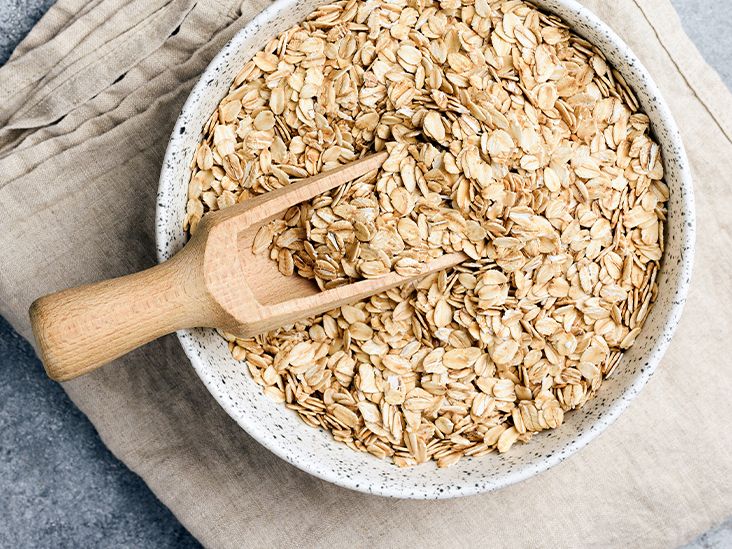
Oats provide slow-digesting carbohydrates and soluble fiber (especially beta‑glucan), which release glucose gradually into the bloodstream.
This flatter blood sugar curve supports steadier energy and focus, compared with high‑GI, sugary breakfasts.
How to use them
-
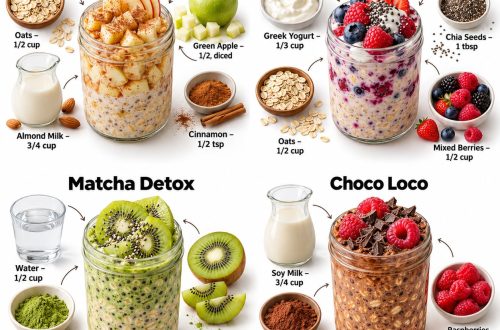
Plain oatmeal or overnight oats
-
Savory oats with olive oil, egg, or yogurt
-
Best paired with protein and fats (nuts, yogurt, seeds) to keep blood sugar and mood more stable through the morning
Blueberries
Why they matter
Blueberries are rich in polyphenols and anthocyanins, which have been studied for their ability to protect brain cells from oxidative stress and to support cognitive function with aging.
In animal and human studies, berry polyphenols are linked to improved neuronal signaling and slower age‑related decline.
How to use them
-
Fresh or frozen in oats, yogurt, or smoothies
-
Small portions regularly (a handful most days works better than a large bowl once a month)

Walnuts
Why they matter
Walnuts provide healthy fats, including alpha‑linolenic acid (ALA, a plant omega‑3), along with antioxidants and polyphenols.
Regular walnut intake has been associated with better cognitive performance in some studies, likely due to this combined nutrient profile.
How to use them
-
A small handful as a snack
-
Chopped into oats, salads, or yogurt
-
Especially useful when combined with carbohydrates to slow digestion and smooth energy release

Olive oil
Why it matters
Extra‑virgin olive oil provides monounsaturated fat (mainly oleic acid) and polyphenols with anti‑inflammatory and antioxidant effects.
Mediterranean-style diets rich in olive oil are linked to better cognitive performance and reduced risk of age‑related cognitive decline.
How to use it
-
Drizzled on vegetables, salads, and cooked grains
-
Used as a primary cooking fat at moderate heat
-
Extra‑virgin types offer more polyphenols and antioxidant activity
Yogurt
Why it matters
Many yogurts contain live probiotic bacteria that can influence the gut microbiome, which in turn communicates with the brain via the gut–brain axis.
Observational data suggest that regular yogurt or probiotic dairy intake may be associated with better cognitive scores in older adults, possibly through microbiome and inflammation pathways.
How to use it
-
Plain, unsweetened yogurt to avoid blood sugar spikes
-
Combined with oats, fruit, or nuts
-
Can be used in savory dishes (sauces, dips) as a protein and probiotic source
Spinach
Why it matters
Spinach and other leafy greens provide folate, vitamin K, antioxidants, and magnesium — all important in nerve signaling, neurotransmitter synthesis, and brain protection.
Regular leafy green intake has been linked with slower age‑related memory decline in observational studies.
How to use it
-
Lightly cooked or raw in salads, omelets, soups, or bowls
-
Small amounts most days work better than large servings once in a while
Pumpkin seeds
Why they matter
Pumpkin seeds are rich in magnesium, zinc, iron, and antioxidants — minerals central to nerve signaling, energy production, and oxygen delivery to the brain.
Zinc and magnesium are both involved in cognitive function and neurotransmitter activity; deficiencies are linked to poorer mental performance and mood issues.
How to use them
-
Sprinkled over oats, salads, or yogurt
-
Lightly roasted as a snack
-
Blended into pestos or sauces
Because they are calorie-dense, focus on modest portions (about a small handful).
Banana
Why it matters
Bananas provide carbohydrates and vitamin B6, which is involved in the synthesis of neurotransmitters like serotonin and dopamine.
They can help provide quick energy, but without protein or fat, they may cause faster blood sugar swings in some people.
How to use it
-
With yogurt, nuts, or seeds (to slow digestion)
-
As part of a balanced meal or snack, not the only item if you’re prone to crashes
Chamomile
Why it matters
Chamomile contains apigenin and other plant compounds that can interact with receptors involved in relaxation (including GABA‑related pathways).
Clinical trials suggest chamomile tea or extracts may modestly support reduced anxiety and better sleep quality for some individuals.
How to use it
-
As a warm tea during evening wind‑down
-
Regularly, not as a one‑time “knockout” drink
Effects tend to be gentle and cumulative rather than dramatic.
A simple way to combine these foods
You do not need a strict “brain diet” to benefit. Pattern matters more than perfection.
Example day:
-
Breakfast: Oats with plain yogurt, blueberries, and walnuts
-
Lunch: Spinach salad or bowl with salmon and olive oil dressing
-
Snack: Banana with a small sprinkle of pumpkin seeds
-
Evening: Chamomile tea as part of a calm bedtime routine
This kind of pattern supports steadier blood sugar, healthier fats, and micronutrient coverage throughout the day.
When people usually notice benefits
Changes are subtle at first. With weeks of consistency, people often report:
-
Fewer afternoon crashes and brain fog episodes
-
More even, sustainable energy
-
Less reliance on caffeine to “feel normal”
-
A calmer, more stable mood baseline
These shifts usually reflect improved metabolic stability, better nutrient status, and a calmer gut–brain axis — not stimulation.
Key tips for brain-supportive eating
-
Pair carbohydrates with protein and/or fat to avoid sharp spikes and crashes.
-
Eat at fairly regular times to keep fuel steady.
-
Be cautious with heavy caffeine on top of sugary or low‑protein meals.
-
Focus on repetition, not extremes: small, daily habits shape brain health more than short “challenges.”
Final takeaway:
Brain‑healthy eating is less about chasing instant clarity and more about building a calm, well‑fed internal environment where your brain can do its job smoothly. Save or share this if you want focus and stability to come from how you eat, not just how hard you push.